Home / Solutions / Automotive Manufacturing Industry

Air Pollution Control for Automotive Manufacturing Industry

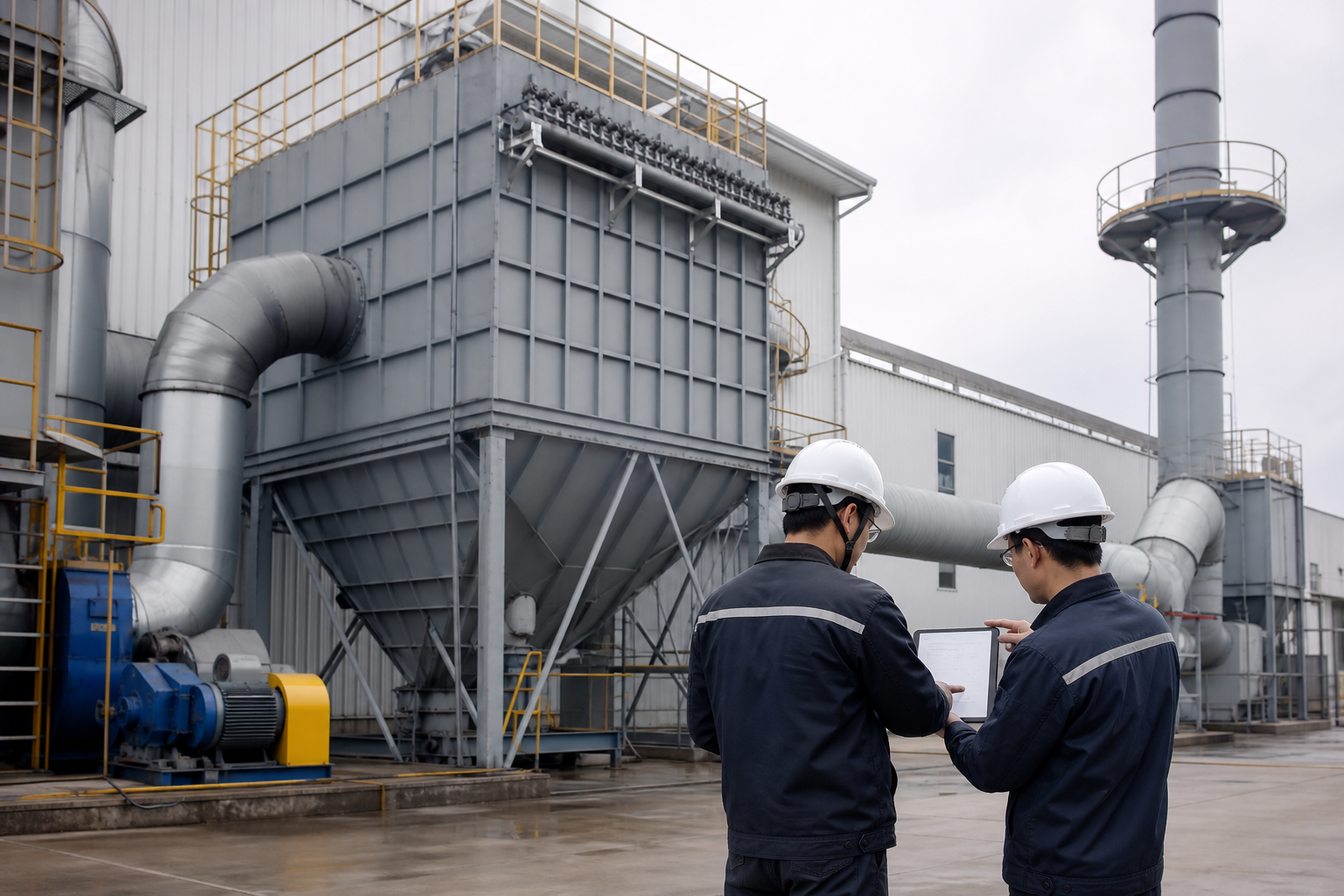
Automotive manufacturing can include welding fume, paint shop VOCs, stamping oil mist, grinding dust and mixed workshop exhaust. AIER helps review each emission source and connect the right dust collection or exhaust gas treatment equipment direction.

Industry emission sources should be reviewed before selecting equipment.
Air Pollution Control for Automotive Manufacturing Industry

Industry Characteristics & Challenges

Automotive manufacturing can include welding fume, paint shop VOCs, stamping oil mist, grinding dust and mixed workshop exhaust. AIER helps review each emission source and connect the right dust collection or exhaust gas treatment equipment direction.

01

Engineering Focus for Automotive Manufacturing Industry

Automotive manufacturing can include welding fume, paint shop VOCs, stamping oil mist, grinding dust and mixed workshop exhaust. AIER helps review each emission source and connect the right dust collection or exhaust gas treatment equipment direction.

02

AIER Solution Approach

AIER reviews the real process condition and connects the project to suitable dust collection, scrubber, activated carbon adsorption, RTO or combined treatment routes.

Where pollution is usually generated

These process sections help buyers describe the source clearly before equipment sizing.

01

Welding section

Welding fume, fine metal particles and ozone.

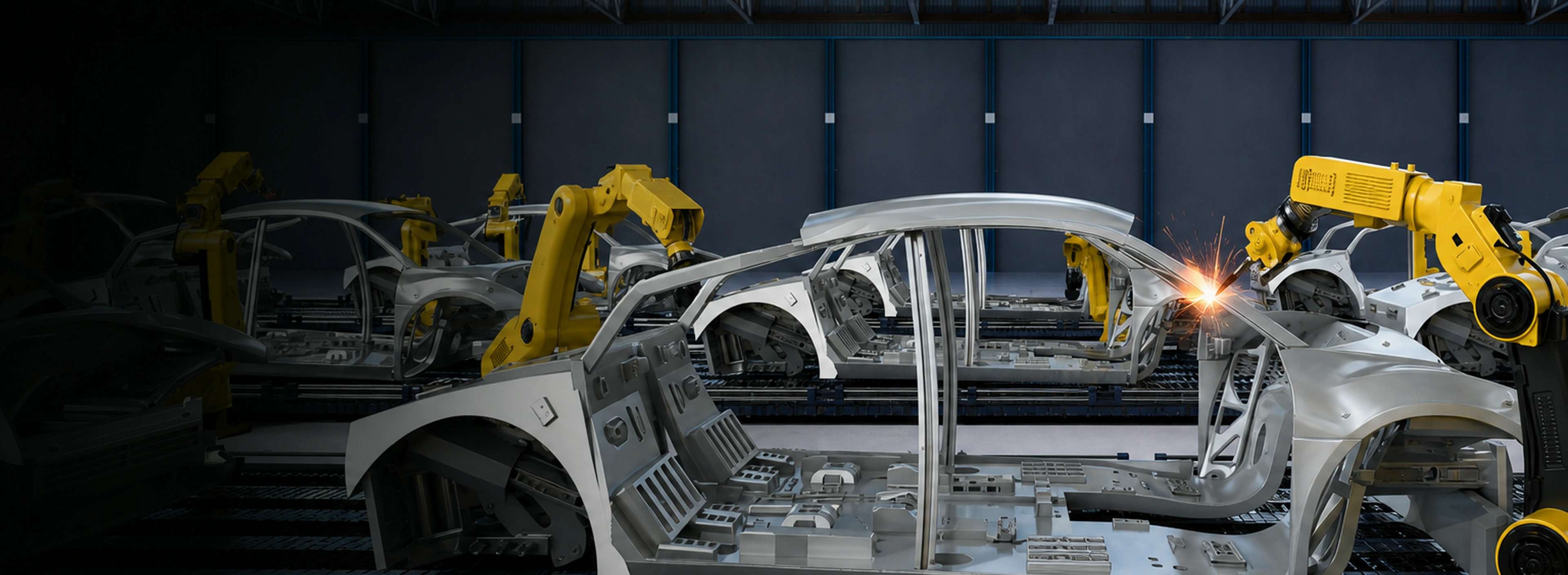
Capture fumes close to the source and protect worker breathing zones. Local extraction with cartridge filtration or centralized fume collection.
02

Paint shop and curing oven

Solvent VOCs, overspray and heated exhaust.

Control high-volume VOC exhaust while keeping booth airflow stable. RTO systems, activated carbon adsorption or pretreatment according to VOC load.
03

Grinding, polishing and forming

Metal dust, oil mist and process particles.

Reduce suspended dust and keep production areas cleaner. Industrial dust collection systems and oil mist control where needed.

Connect the industry condition to the right equipment family

AIER first reviews pollutant type, airflow, concentration, temperature, safety risk and target emission standard, then confirms whether dust collection, scrubber, adsorption, RTO or a combined route is more suitable.

AIER industry solution quote review

What information should you send for a quote?

Clear process data helps AIER review the equipment route, material, collection method and safety configuration faster.

  • Industry and process section
  • Pollutant type and emission source
  • Airflow / exhaust volume
  • Concentration or dust loading
  • Temperature and humidity
  • Corrosiveness / explosion risk
  • Operating hours and emission target
  • Existing equipment, photos, videos or layout

Send your Automotive Manufacturing Industry project data

Use the form to send process, pollutant and airflow information. AIER will review the solution direction and equipment combination.

  • Tell AIER the process section and emission source.
  • Include airflow, pollutant concentration and temperature if available.
  • Share site photos, layout or existing equipment information.

Frequently Asked Questions

Short answers for industry-level solution selection. Product model sizing still depends on operating data.

What information is needed for this industry solution?

Please send the process section, pollutant type, airflow, concentration or dust loading, temperature, operating hours and target emission requirement.

Can one industry page replace a final equipment design?

No. The industry page explains the typical direction. AIER still needs operating data before confirming equipment model, material and configuration.

Can AIER combine dust collection and exhaust gas treatment?

Yes. Many industry projects require a combination of dust collection, scrubber, activated carbon adsorption or RTO systems depending on the actual emission sources.

WeChat QR Code

Scan to add WeChat