Exhaust Gas Treatment Systems: Thermal Oxidizer, Scrubber & Activated Carbon Adsorption
An exhaust gas treatment system removes, captures or destroys VOCs, acid gases, alkaline gases, odors and mixed industrial exhaust before discharge.
AIER provides exhaust gas treatment systems for factories that need VOC treatment, solvent fume control, acid gas treatment, odor control or combined air pollution control.
What This Category Covers
Start with pollutant type and concentration, then compare whether oxidation, gas-liquid contact or adsorption is the practical route.
Choose the Right Equipment Type
AIER provides exhaust gas treatment systems for factories that need VOC treatment, solvent fume control, acid gas treatment, odor control or combined air pollution control.
- Pollutant Types VOCs, solvent fumes, acid gases, alkaline gases, odors and mixed industrial exhaust streams.
- Selection Variables Gas composition, airflow, concentration, temperature, humidity, corrosiveness and operating schedule.
- Equipment Range Regenerative thermal oxidizer systems, industrial scrubbers and activated carbon adsorption units.
Choose the Right Equipment Type
3 products VOC destruction and solvent exhaust
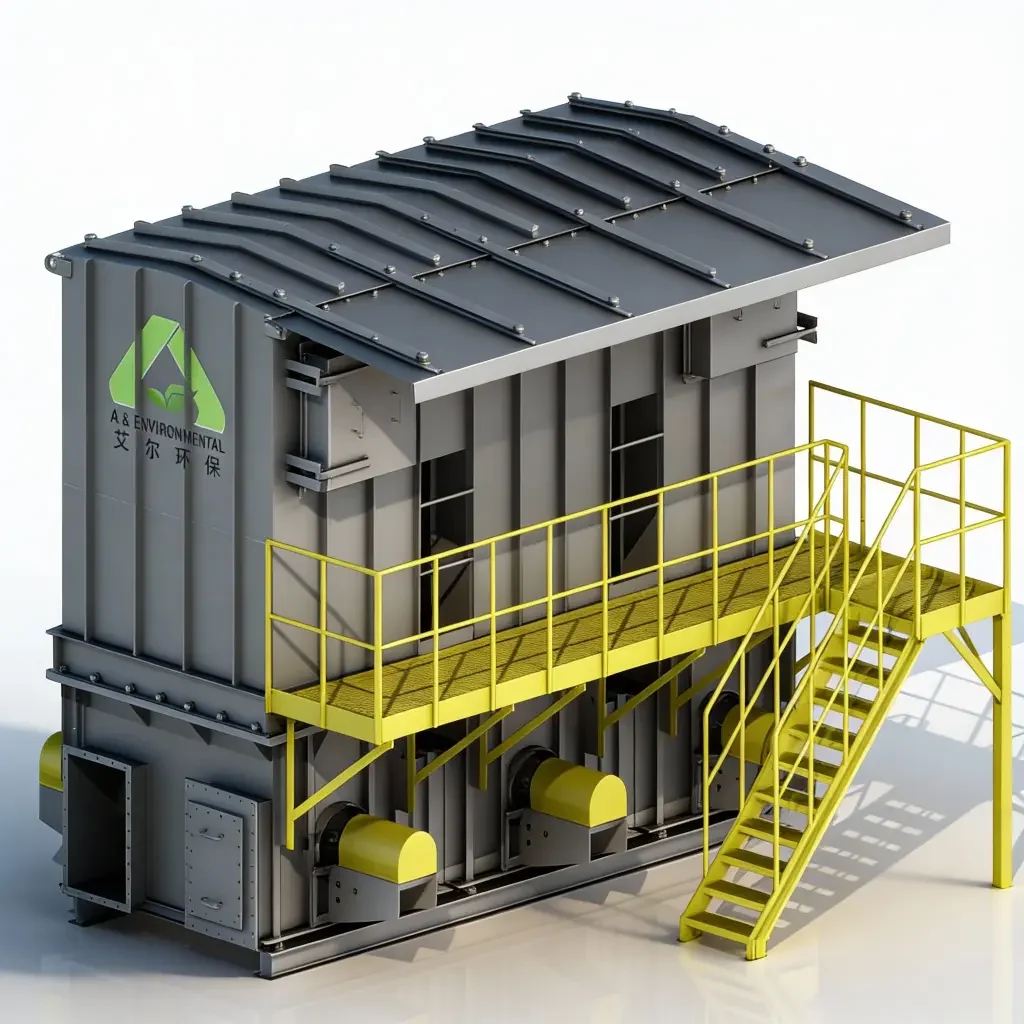
Regenerative Incineration Technology
A thermal oxidizer route for suitable VOC concentration, continuous exhaust and heat recovery conditions.
View Product- Acid gas, alkaline gas, odor and wet exhaust
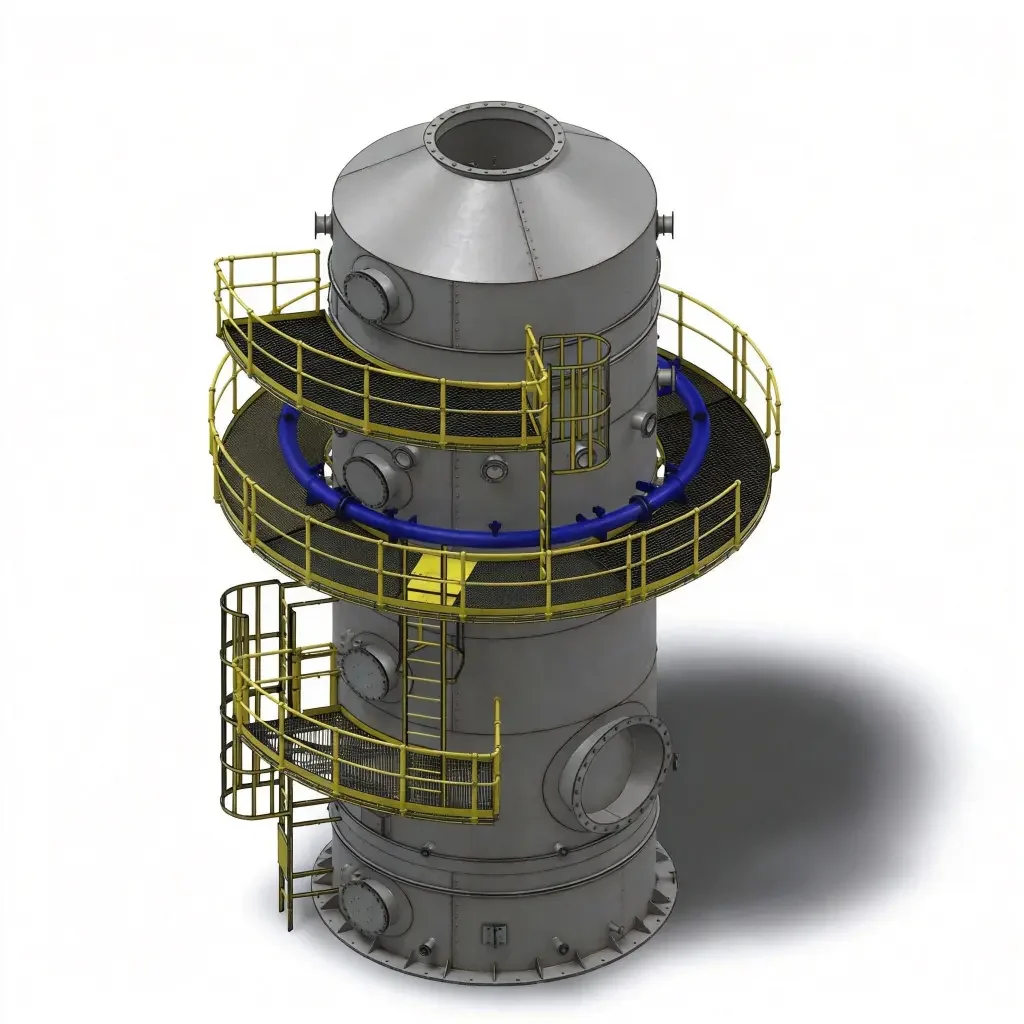
Scrubber
An industrial scrubber direction for gas-liquid contact, absorption and wet exhaust treatment requirements.
View Product - Low-concentration VOC and intermittent odor control
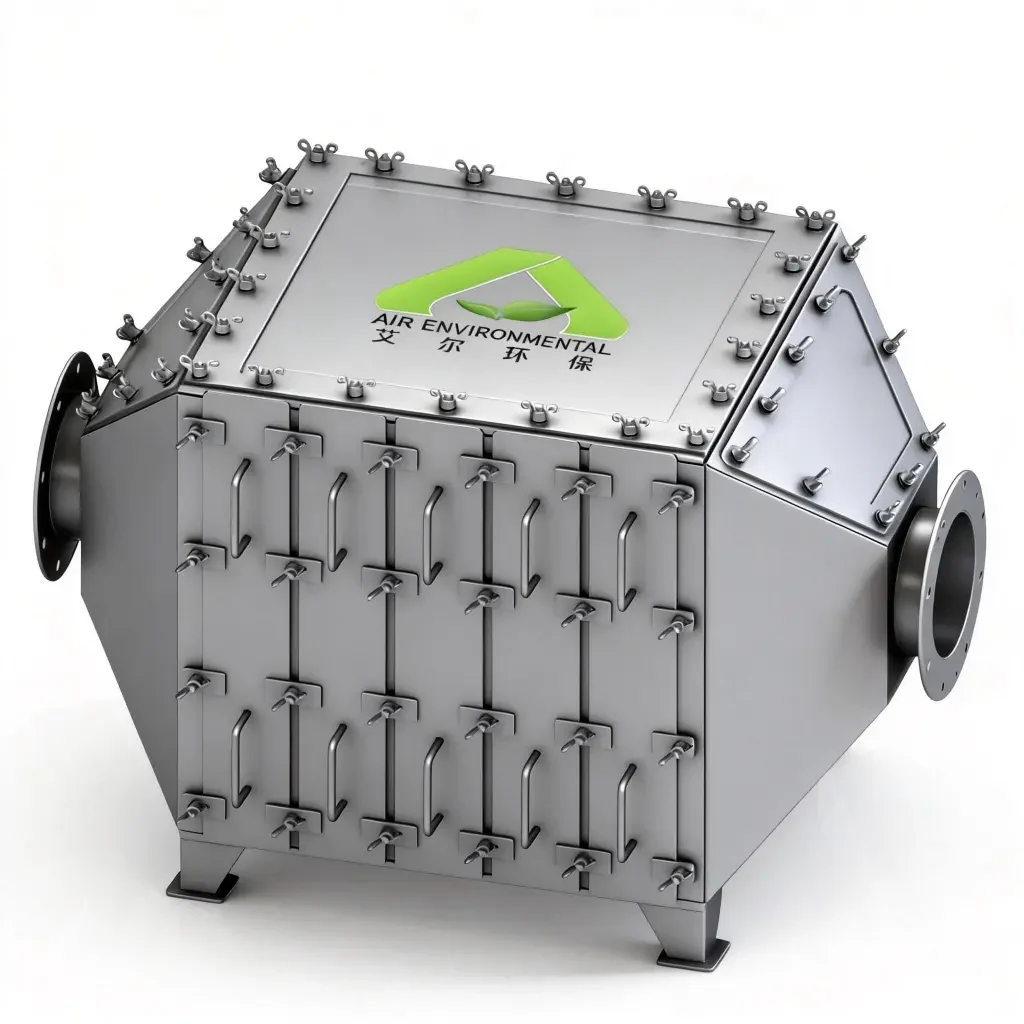
Activated Carbon Adsorption
An adsorption route for lower-concentration VOCs, solvent fumes or odor streams where activated carbon is suitable.
View Product
Compare Product Options
Use this quick guide to choose the starting equipment direction. AIER can review the final route after checking real process data.
- Suitable VOC destruction Regenerative Thermal Oxidizer / RTO Thermal oxidation can destroy VOCs when concentration, airflow and operating schedule support heat recovery.
- Acid gas, alkaline gas or wet exhaust Industrial Scrubber Scrubbers use gas-liquid contact and absorption for corrosive or soluble exhaust streams.
- Low-concentration VOC or odor Activated Carbon Adsorption Adsorption can be practical for intermittent or lower-concentration solvent fume and odor streams.
- Mixed exhaust stream Combined System Review Some processes need dust pre-treatment, scrubber stages, adsorption or thermal oxidation in sequence.
What Information Should You Send for a Quote?
Clear process data helps AIER narrow the product direction before detailed engineering. You can send estimated values first and refine them later.
- Exhaust source and process
- VOC type or gas composition
- Airflow or exhaust gas volume
- VOC concentration or pollutant concentration
- Temperature and humidity
- Corrosiveness or explosion risk
- Operating hours and peak load
- Target emission standard
- Existing equipment or site photos
Send Product Requirements
AIER will review the product direction first, then follow up with the suitable equipment route by email or WhatsApp.
Frequently Asked Questions
Use these answers to decide whether RTO, scrubber, activated carbon or a combined system should be reviewed first.
What is an exhaust gas treatment system?
An exhaust gas treatment system removes or destroys VOCs, acid gases, alkaline gases, odors or other industrial exhaust pollutants before air is discharged from a manufacturing process.
When should I choose an RTO system?
RTO systems are suitable for VOC destruction when the concentration, airflow, operating schedule and heat recovery conditions make thermal oxidation practical.
When should I choose a scrubber?
Scrubbers are used for acid gases, alkaline gases, odors and wet exhaust treatment where gas-liquid contact and chemical absorption are suitable.
When should I choose activated carbon adsorption?
Activated carbon adsorption is often used for lower-concentration VOCs, odor control or intermittent solvent fumes where adsorption is a practical treatment direction.
Need Help Choosing the Right System?
Send pollutant type, airflow, concentration, temperature, target emission requirement and project location. AIER will help review the suitable equipment direction.