Powder, fume and particulate collection
For grinding, mixing, packaging, battery materials, food powder, pharmaceutical dust and workshop extraction.
AIER provides industry-specific air pollution control systems and solutions for manufacturing plants that need dust collection, VOC treatment, acid gas control, odor control and exhaust gas treatment. Choose your industry below to find typical emission sources and recommended equipment directions.
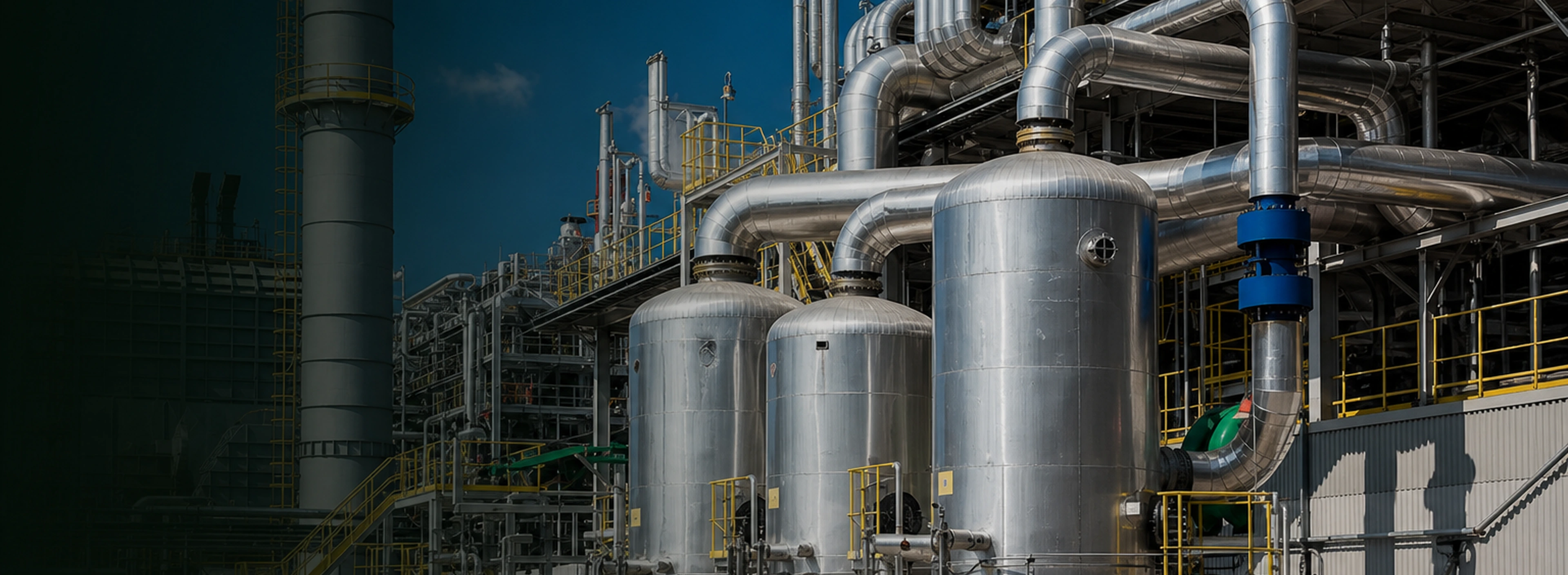
Different industries may share similar dust, VOC, acid gas or odor problems. These entry points help buyers describe the source before selecting air pollution control systems.
For grinding, mixing, packaging, battery materials, food powder, pharmaceutical dust and workshop extraction.
For coating, painting, curing, chemical reaction, printing, rubber and tire exhaust streams.
For chemical process exhaust, etching exhaust, laboratory exhaust and wet treatment conditions.
For food, fragrance, rubber, plastics, tank venting and intermittent low-concentration VOC sources.
Each industry page explains common process sections, recommended AIER air pollution control systems and quote information.
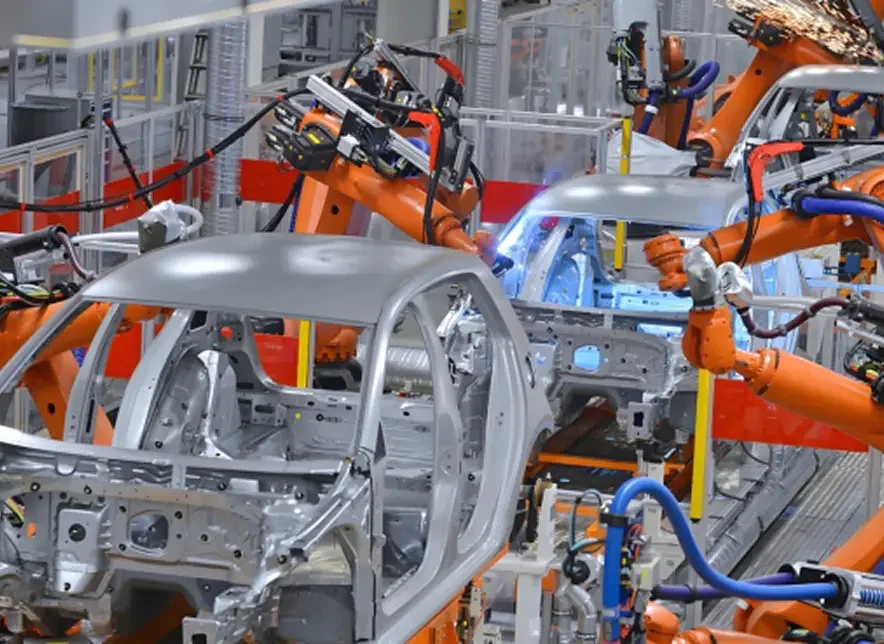
Automotive manufacturing can include welding fume, paint shop VOCs, stamping oil mist, grinding dust and mixed workshop exhaust. AIER helps review each emission source and connect the right dust collection or exhaust gas treatment equipment direction.
View industry solution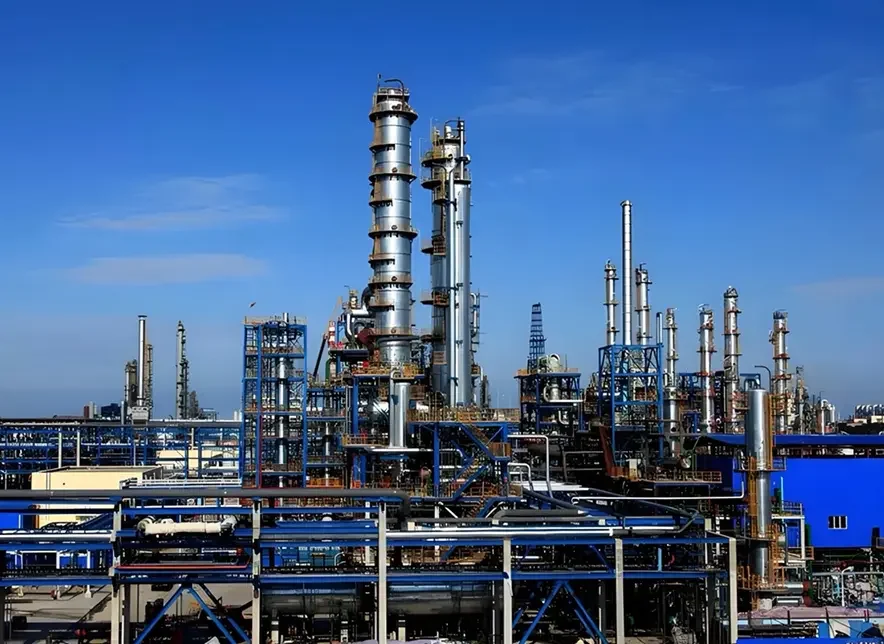
Chemical production may release solvent vapors, acid gases, odor, powder dust and storage tank vent gas. AIER reviews gas composition, corrosion risk, explosion risk and operating rhythm before recommending equipment combinations.
View industry solution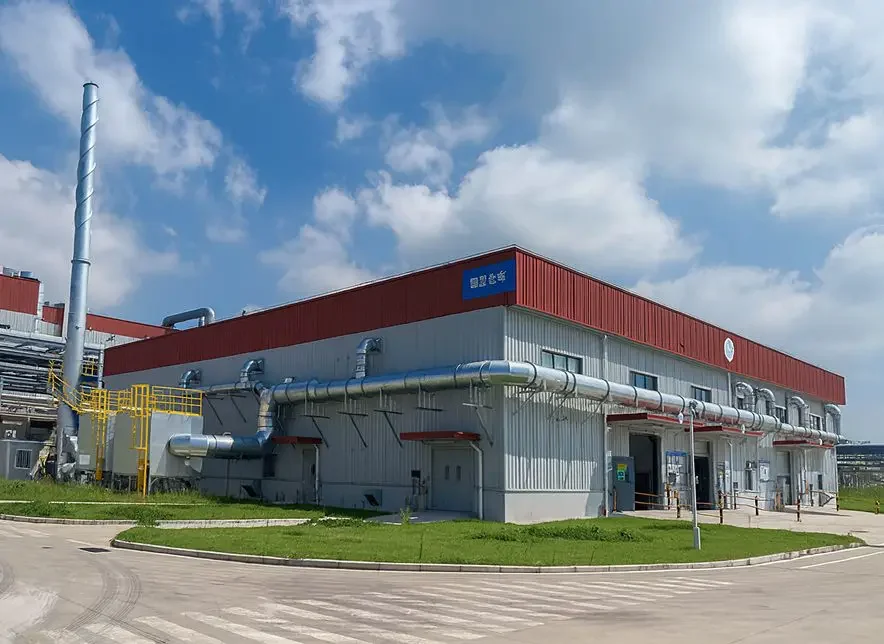
Coating and painting lines often generate spray booth VOCs, flash-off exhaust, curing oven exhaust and solvent cleaning fumes. AIER helps review airflow, concentration and operating schedule before selecting VOC treatment direction.
View industry solution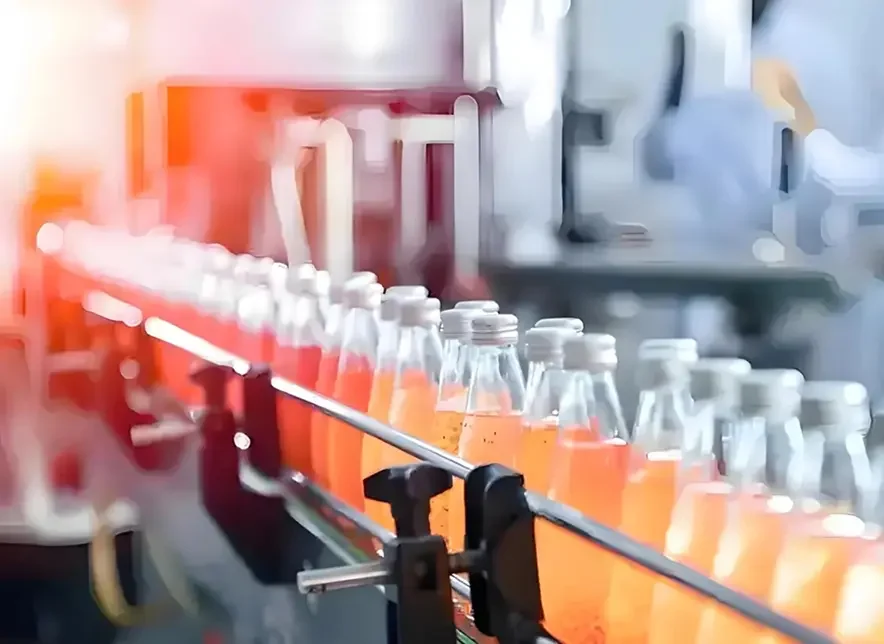
Food, flavor and fragrance production may involve odor, low-concentration VOC, powder dust, extraction exhaust, drying exhaust and packaging dust. AIER reviews hygienic requirements and pollutant properties before recommending equipment direction.
View industry solution
Glass panel manufacturing can generate raw material dust, furnace exhaust, acid gas, coating exhaust and etching exhaust. AIER reviews each process section to combine dust collection, scrubber and exhaust gas treatment direction.
View industry solution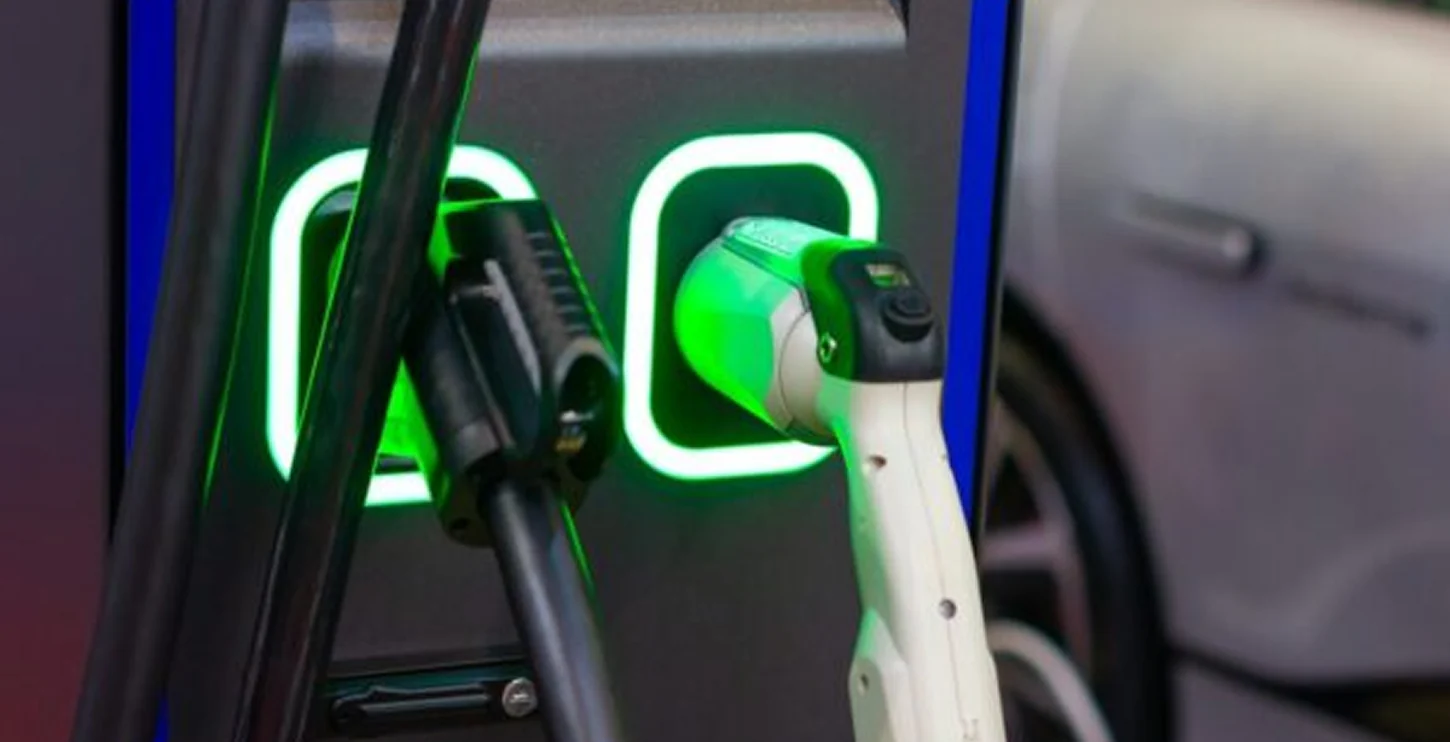
Lithium battery and battery material production may involve electrode powder dust, coating exhaust, NMP vapor and electrolyte fumes. AIER reviews dust properties, solvent exhaust and safety requirements before recommending equipment direction.
View industry solution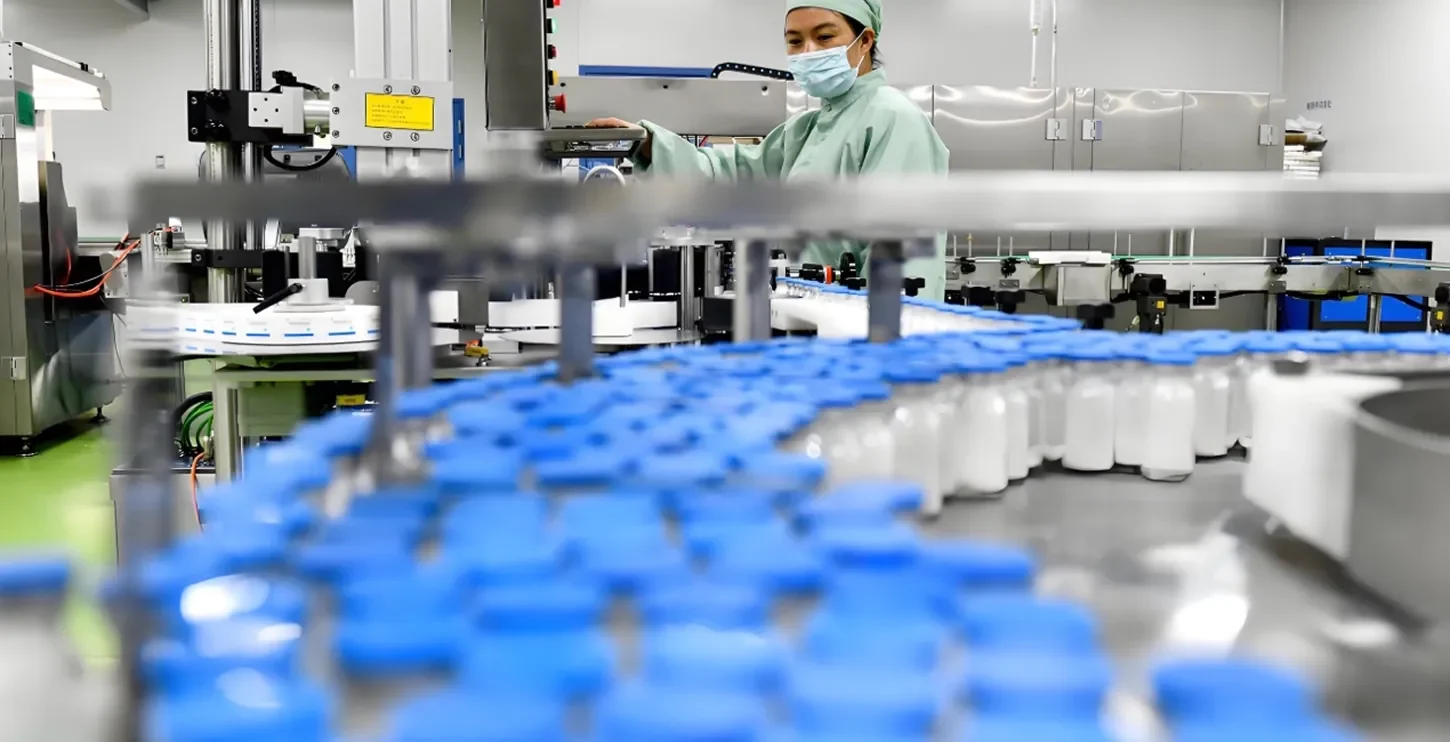
Pharmaceutical manufacturing can include API synthesis VOCs, formulation dust, drying exhaust, odor and packaging dust. AIER reviews containment, filtration efficiency and GMP-related requirements before selecting equipment direction.
View industry solution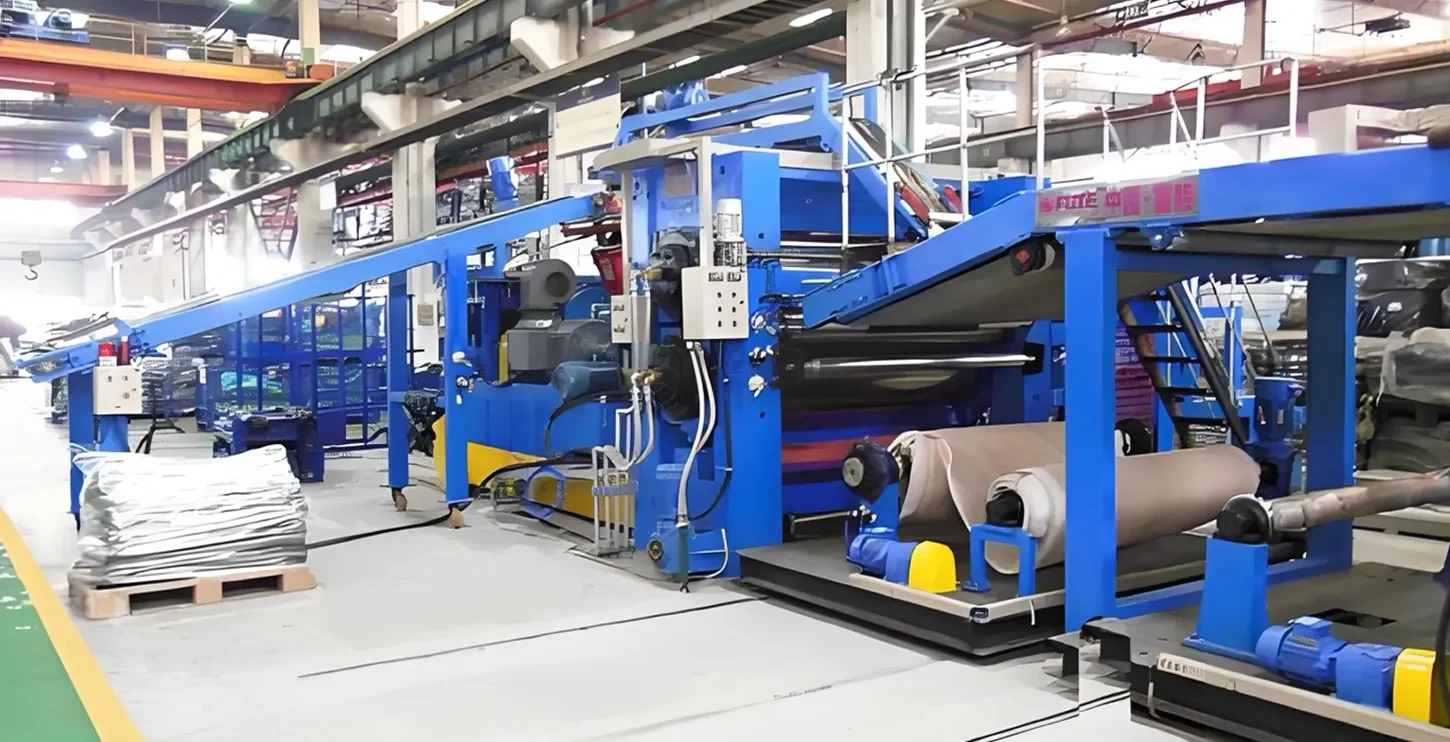
Rubber and plastics processing may generate rubber fumes, plasticizer vapors, thermal processing exhaust, odor and process dust. AIER reviews pollutant composition and temperature before recommending dust collection or exhaust treatment direction.
View industry solution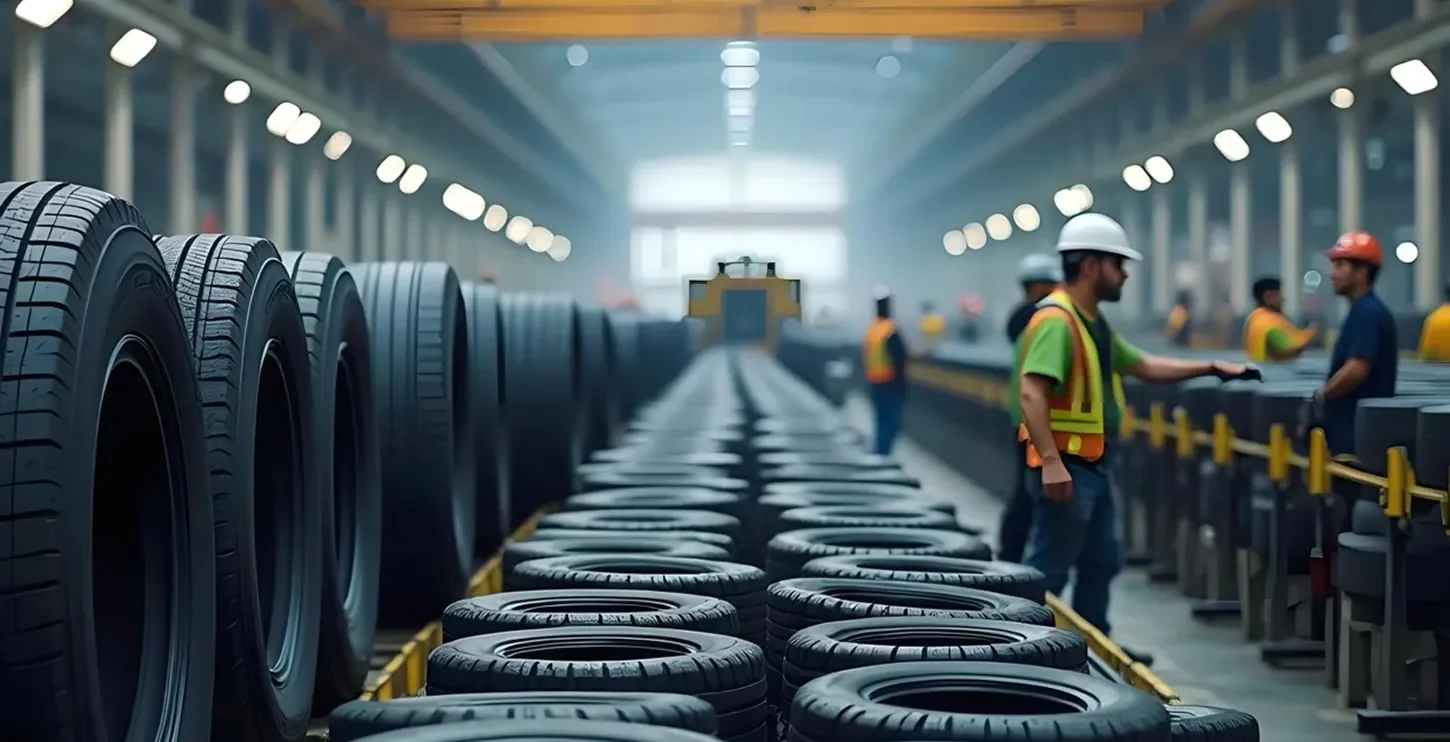
Tire manufacturing can generate mixing dust, rubber fumes, VOCs and vulcanization exhaust. AIER reviews airflow, temperature, rubber fume composition and process schedule before recommending treatment combinations.
View industry solutionSolutions pages describe the industry condition. Product pages explain the equipment itself, including structure, features, applications and specification references. These product families support pollution control equipment selection for industrial plants.
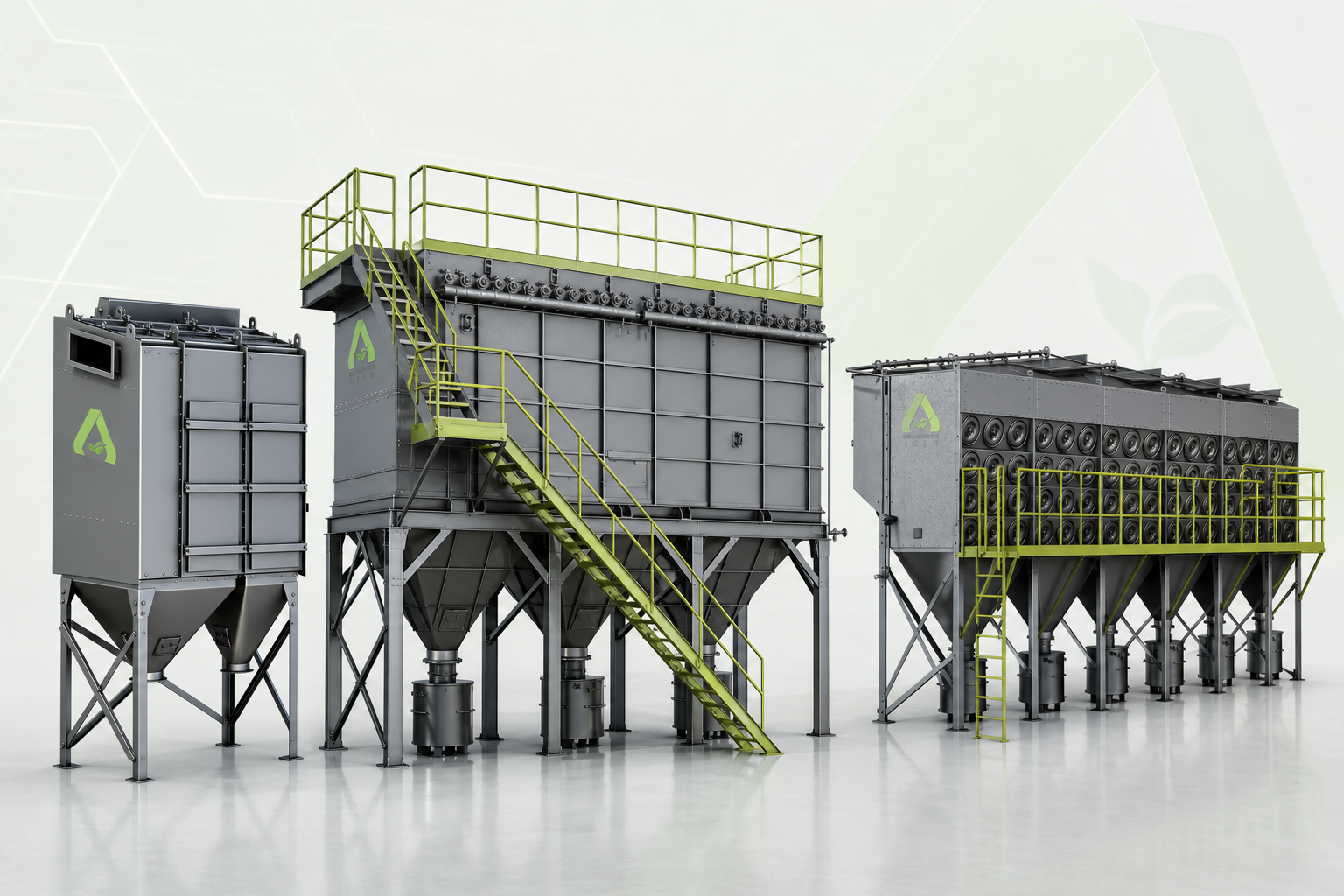
Review cartridge, baghouse, pleated bag and sintered plate collectors for dry dust and fume capture.
View dust collection systems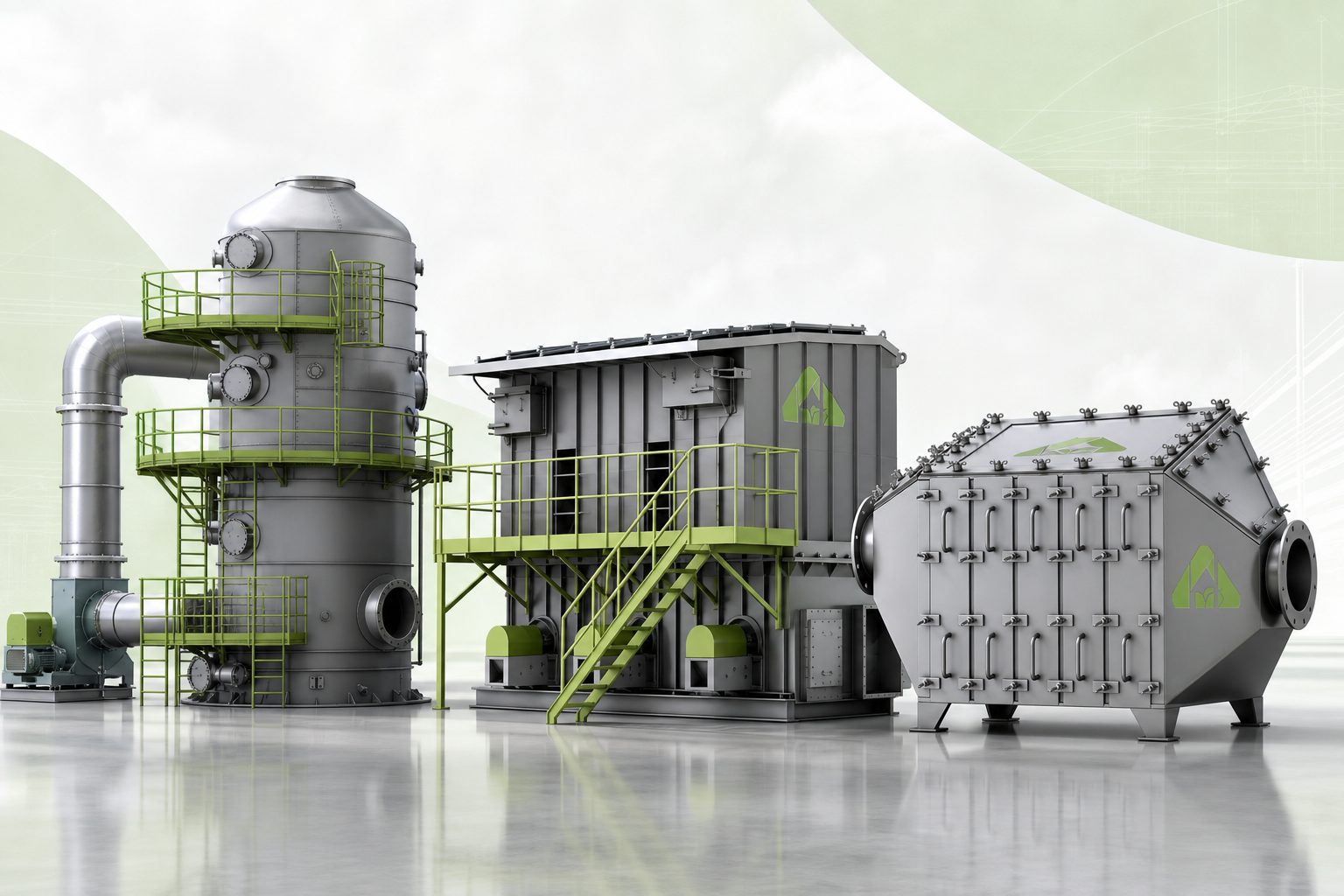
Review RTO, scrubber and activated carbon adsorption systems for VOC, acid gas, odor and mixed exhaust.
View exhaust gas treatment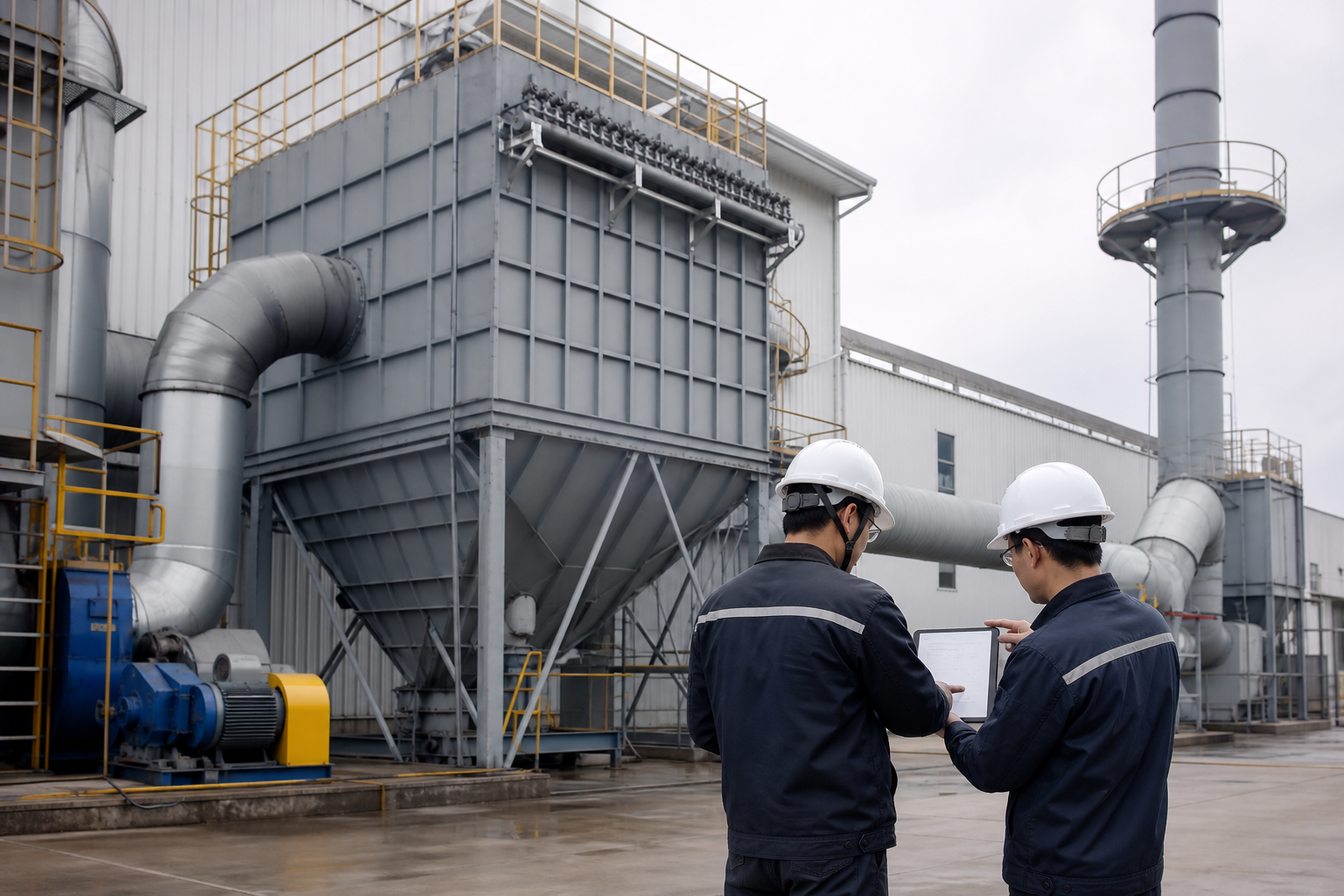
AIER can review the air pollution control system route more accurately when the project message includes process, pollutant and operating data.
Use these answers to decide whether to start with an industry page, product page or direct systems review request.
Start from the industry closest to your process. If the process crosses multiple industries, send the pollutant type, airflow and target emission requirement so AIER can review the equipment direction.
No. Solutions pages explain typical industry emission sources and equipment combinations. Product sizing still depends on site data and process review.
Yes. Many projects combine dust collectors, scrubbers, activated carbon adsorption and RTO systems depending on pollutant properties and operating conditions.
Send your process section, pollutant type, airflow and target emission requirement. AIER can help review the air pollution control systems and solution direction.