
Home / Solutions / Tire Manufacturing Industry

Exhaust Gas & Dust Treatment for Tire Manufacturing

Tire manufacturing can generate carbon black dust, mixing dust, rubber fumes, VOCs, sulfur compounds and vulcanization exhaust. AIER reviews airflow, temperature, rubber fume composition, dust loading, odor impact and process schedule before recommending dust and fume extraction, thermal oxidizer, RTO systems, industrial scrubbers or industrial dust collection systems.

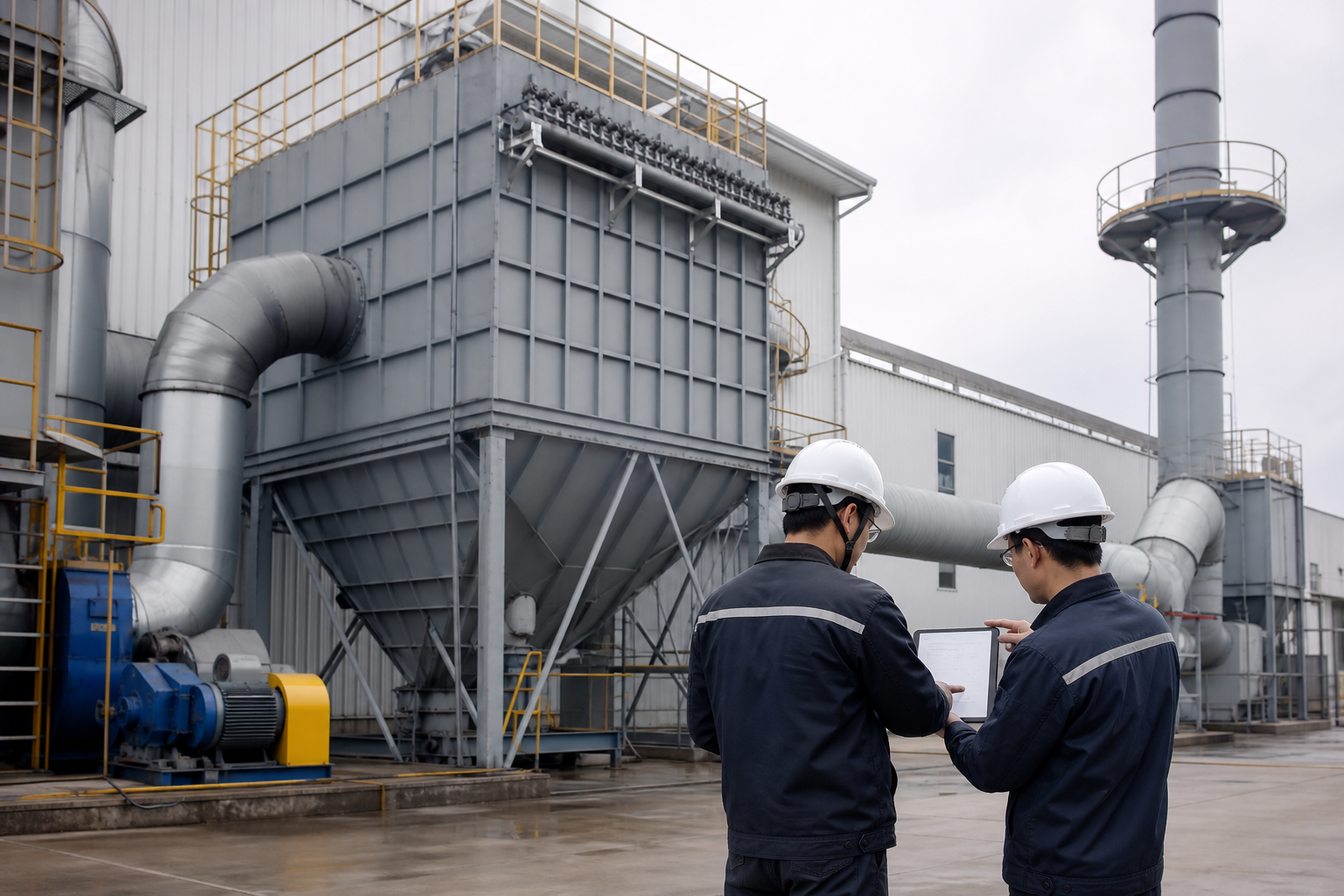
Mixing dust, rubber fumes, VOCs and vulcanization exhaust should be reviewed before selecting equipment.
Exhaust Gas & Dust Treatment for Tire Manufacturing

Industry Characteristics & Challenges

Tire manufacturing can generate carbon black dust, mixing dust, rubber fumes, VOCs, sulfur compounds, odor and vulcanization exhaust. AIER reviews airflow, temperature, rubber fume composition, dust loading, odor impact and process schedule before recommending a treatment direction.

01

Engineering Focus for Tire Fumes, VOCs and Mixing Dust

Tire manufacturing projects often need dust and fume extraction, carbon black dust capture, warm rubber fume treatment, VOC review, odor control, industrial scrubbers, thermal oxidizer, RTO systems or industrial dust collection systems before final equipment sizing.
02

AIER Solution Approach

AIER checks each emission source and connects process data to RTO systems, industrial scrubbers, industrial dust collection systems, activated carbon adsorption systems or combined exhaust gas and dust treatment routes.

Where tire mixing dust, rubber fumes and vulcanization exhaust are generated

These tire manufacturing process sections help buyers describe carbon black dust, mixing dust, rubber fumes, VOCs and vulcanization exhaust before equipment sizing.

01

Mixing, compounding and carbon black dust

Mixing and compounding sections can generate carbon black dust, rubber dust, rubber fumes and heat near high-load process points.

Capture dust and fumes near mixers while reviewing airflow, dust loading, temperature, material properties and workshop capture layout. Dust and fume extraction, industrial dust collection systems, local exhaust or scrubber / RTO route review.
02

Vulcanization and warm rubber fume exhaust

Vulcanization sections may generate warm rubber fumes, sulfur compounds, VOCs, odor and thermal processing exhaust.

Treat warm exhaust, reduce odor and VOC impact, and review temperature, concentration, humidity and material compatibility. Thermal oxidizer, RTO systems, industrial scrubbers, activated carbon adsorption or combined route review.
03

Finishing, trimming and residual odor

Finishing, trimming and inspection areas can release rubber particles, residual fumes, low-volume local emissions and odor.

Maintain cleaner workshop air and final polishing while keeping capture stable around local emission points. Industrial dust collection systems, local extraction, activated carbon adsorption or final odor polishing where suitable.

Connect tire manufacturing dust and rubber fume conditions to the right equipment family

AIER first reviews mixing dust, carbon black dust, rubber fumes, VOCs, vulcanization exhaust, airflow, temperature, concentration, odor, safety risk and target emission standard, then confirms whether RTO systems, industrial scrubbers, industrial dust collection systems, activated carbon adsorption or a combined route is more suitable.

AIER industry solution quote review

What information should you send for a tire manufacturing dust and exhaust quote?

Clear tire manufacturing process data helps AIER review mixing dust capture, rubber fume treatment, VOC control, odor control, material selection and equipment combination faster.

  • Industry and process section
  • Emission source: mixing / compounding / vulcanization / finishing / trimming
  • Carbon black dust, rubber fumes, VOCs, sulfur compounds, odor or process dust description
  • Airflow / exhaust volume
  • Concentration or dust loading
  • Temperature and humidity
  • Corrosiveness / explosion risk / odor control target
  • Operating hours and emission target
  • Existing equipment, photos, videos or layout

Send your tire manufacturing dust and exhaust treatment project data

Use the form to send mixing, compounding, vulcanization, finishing, trimming, airflow, carbon black dust, rubber fumes, VOC, odor and temperature information. AIER will review dust collection, scrubber, thermal oxidizer, RTO or combined treatment directions.

  • Tell AIER whether the source is mixing, compounding, vulcanization, finishing, trimming or local exhaust.
  • Include airflow, carbon black dust loading, rubber fume or VOC concentration, temperature, humidity, odor level and target emission if available.
  • Share site photos, layout or existing equipment information.

Frequently Asked Questions

Short answers for tire manufacturing dust, rubber fume and vulcanization exhaust treatment selection. Product model sizing still depends on operating data.

What information is needed for a tire manufacturing dust and exhaust solution?

Please send the process section, carbon black dust source, rubber fume or vulcanization exhaust source, airflow, concentration or dust loading, temperature, humidity, odor condition, operating hours and target emission requirement.

Can one tire manufacturing industry page replace a final equipment design?

No. The industry page explains the typical direction. AIER still needs operating data before confirming equipment model, material, capture method, safety configuration and treatment route.

Can AIER combine RTO systems, scrubbers and dust collection for tire manufacturing?

Yes. Tire manufacturing projects may require RTO systems, thermal oxidizer, industrial scrubbers, industrial dust collection systems, activated carbon adsorption or combined dust and exhaust treatment equipment depending on the actual emission sources.

WeChat QR Code

Scan to add WeChat