High adsorption efficiency for VOCs and odors
Exhaust Gas Treatment
Activated Carbon Adsorption System for VOC and Odor Control
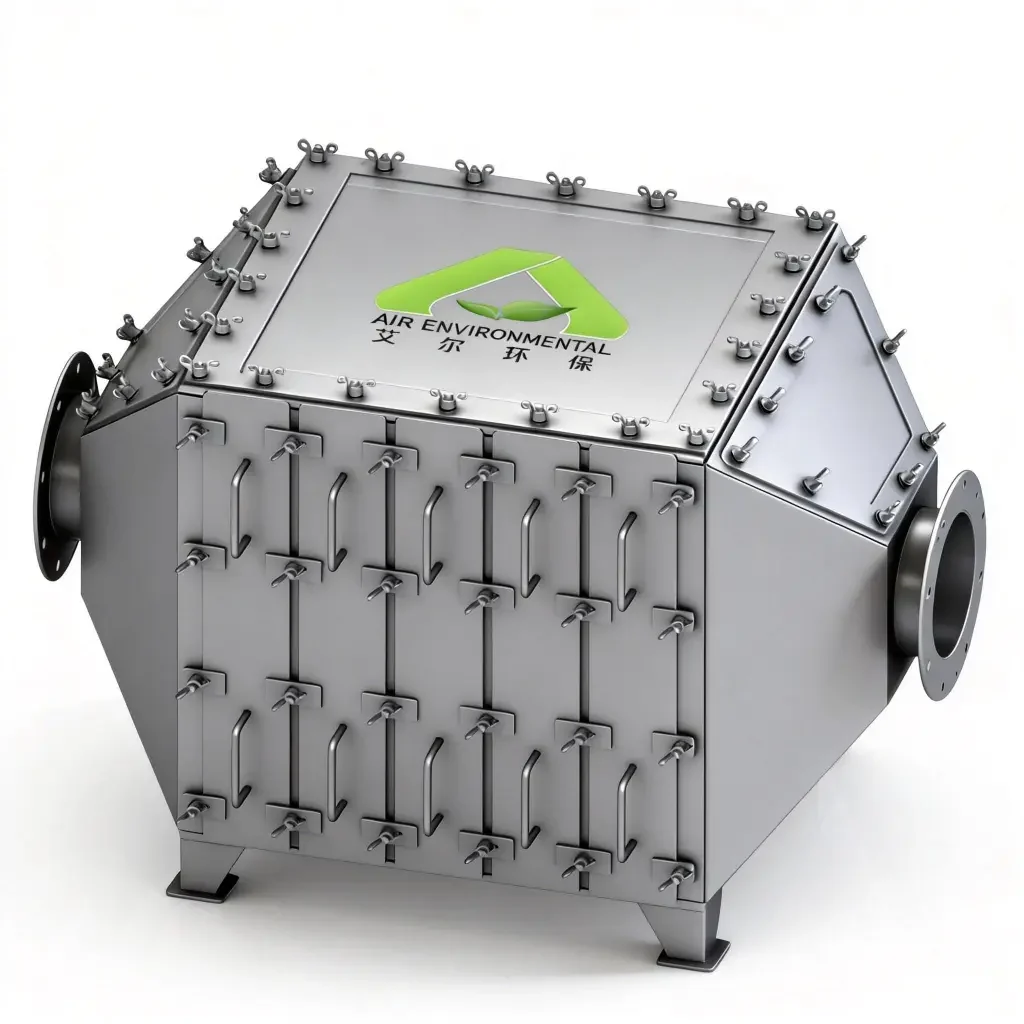
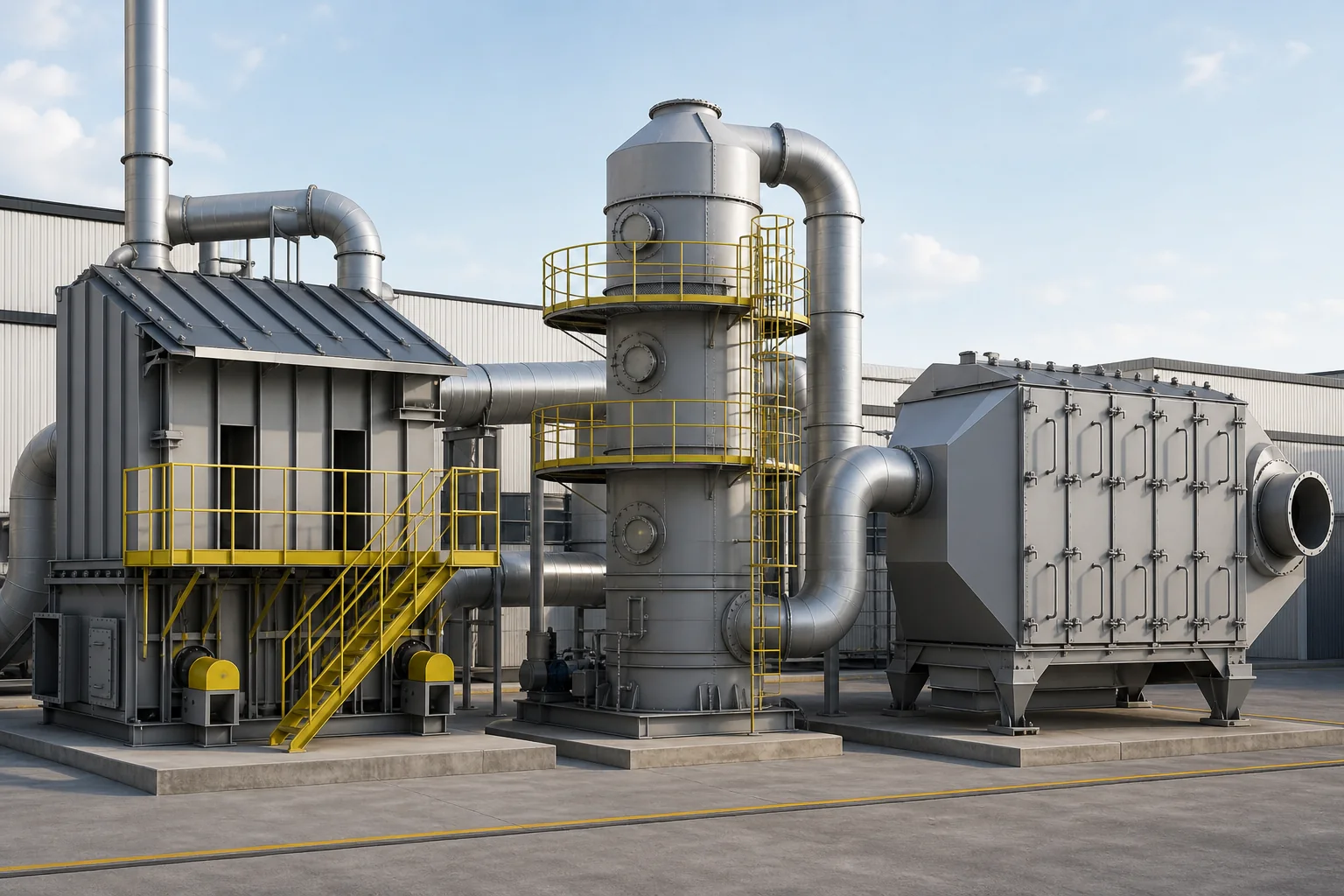
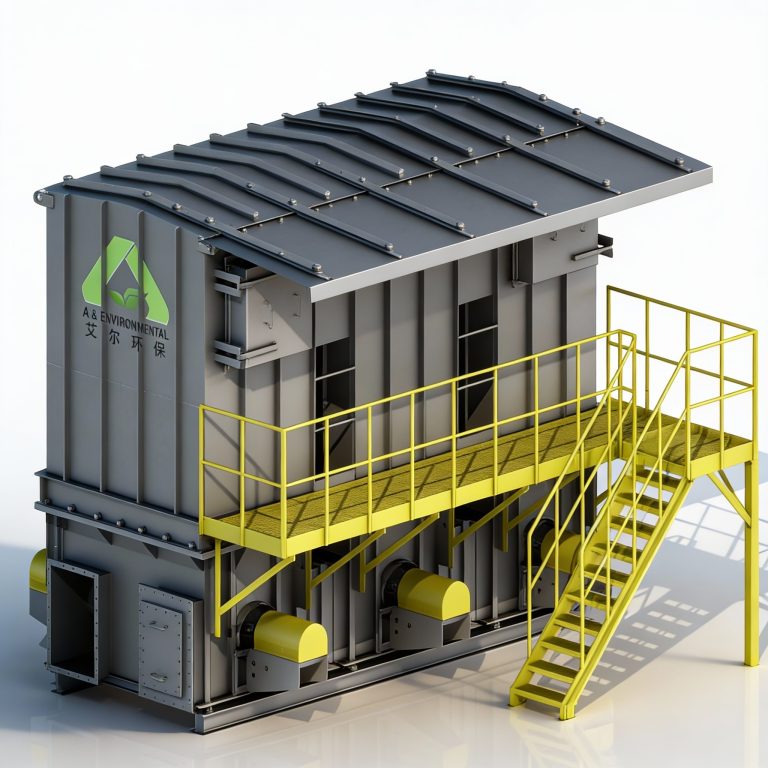
An activated carbon adsorption system is an exhaust gas treatment unit that captures suitable low-concentration VOCs, odor and solvent fumes through activated carbon media.
It is often considered for odor control, solvent fume polishing and low-concentration VOC streams where adsorption is technically suitable.
Product Description
Activated carbon adsorption equipment for low-concentration VOC and odor
activated carbon adsorption information, applications and selection notes for industrial emission control projects.
AIER Environmental activated carbon adsorption units are designed with optimized airflow distribution to ensure uniform gas passage through the carbon bed for efficient adsorption. Depending on exhaust gas composition and treatment requirements, granular activated carbon, honeycomb activated carbon, or customized adsorption media can be selected to improve removal efficiency and extend service life. An activated carbon adsorption unit is also called a carbon scrubber, activated carbon adsorber or industrial activated carbon filter.
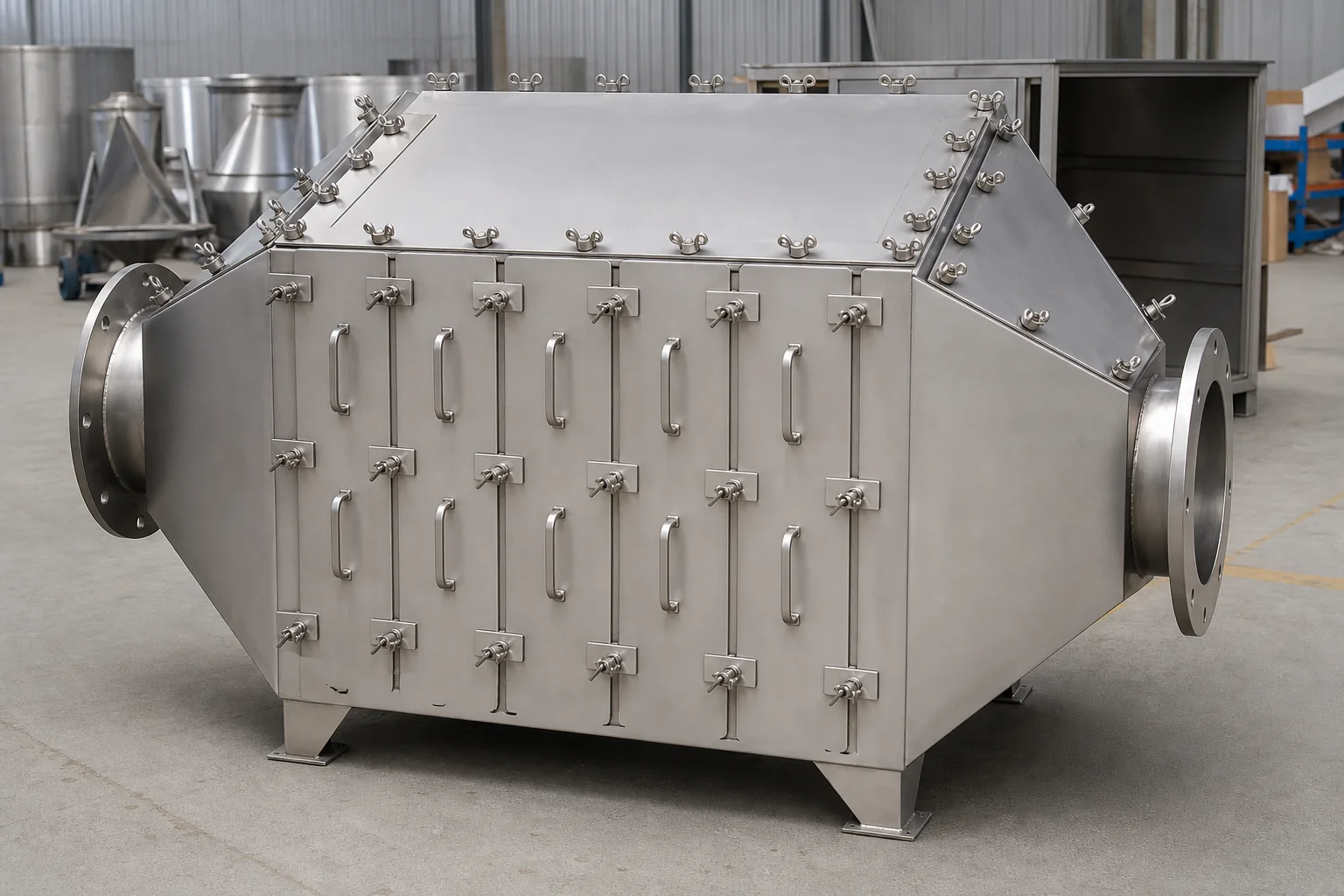
The housing is designed with a strong focus on sealing performance and operational safety, minimizing gas leakage and secondary pollution. Safety options such as fire prevention, explosion-proof design, antistatic measures, and temperature monitoring can be integrated to meet demanding industrial safety requirements.
Based on airflow rate, VOC species, and emission limits, AIER Environmental provides single-stage or multi-stage solutions for activated carbon VOC removal and odor control. The system can also be integrated with scrubbers, RTO systems, and dust collectors to form a complete, cost-effective, and efficient exhaust gas treatment process.
- Send VOC type, concentration, airflow, temperature, humidity and operating hours before selection.
- Review corrosion, explosion risk, pre-treatment and emission target before final configuration.
- Compare RTO, scrubber and activated carbon based on pollutant properties and operating schedule.
Treatment direction Low-concentration VOC / odor / solvent fumes
Core process Activated carbon adsorption
Review data VOC type, humidity, airflow and operating hours
How It Works
How activated carbon adsorption captures pollutants
Exhaust gas passes through activated carbon media, and suitable VOC or odor molecules are adsorbed onto the porous carbon surface. Media capacity and replacement planning depend on concentration and operating conditions.
Pollution source review Equipment configuration Emission target check
Key Features
Product features and configuration advantages
These points describe the product-level configuration direction. Final design should still be reviewed against site data.
Suitable for low-concentration and large-airflow applications
Compact design with flexible installation
Comprehensive safety options including fire and explosion protection
Strong compatibility with other exhaust gas treatment systems
Technical Data / Specification
Reference data for activated carbon adsorption selection
Actual parameters are configured according to airflow, concentration, temperature, installation space and target emission requirement.
| Model | Air volume (m³/h) | Specification (mm) | Carbon loading volume (m³) | Wind speed (m/s) |
|---|---|---|---|---|
| AR-AC-2K | 2000 | L1400*H1000*W1500 | 0.5 | ≤0.6 |
| AR-AC-4K | 4000 | L1900*H1200*W1500 | 1 | ≤0.6 |
| AR-AC-8K | 8000 | L2450*H1500*W1700 | 2 | ≤0.6 |
| AR-AC-12K | 12000 | L2650*H2000*W1850 | 3 | ≤0.6 |
| AR-AC-18 | 18000 | L2850*H2400*W2100 | 4.5 | ≤0.6 |
Applications
Where this equipment is typically used
The exact model should be selected after AIER reviews pollutant properties, airflow and operating conditions.
Application
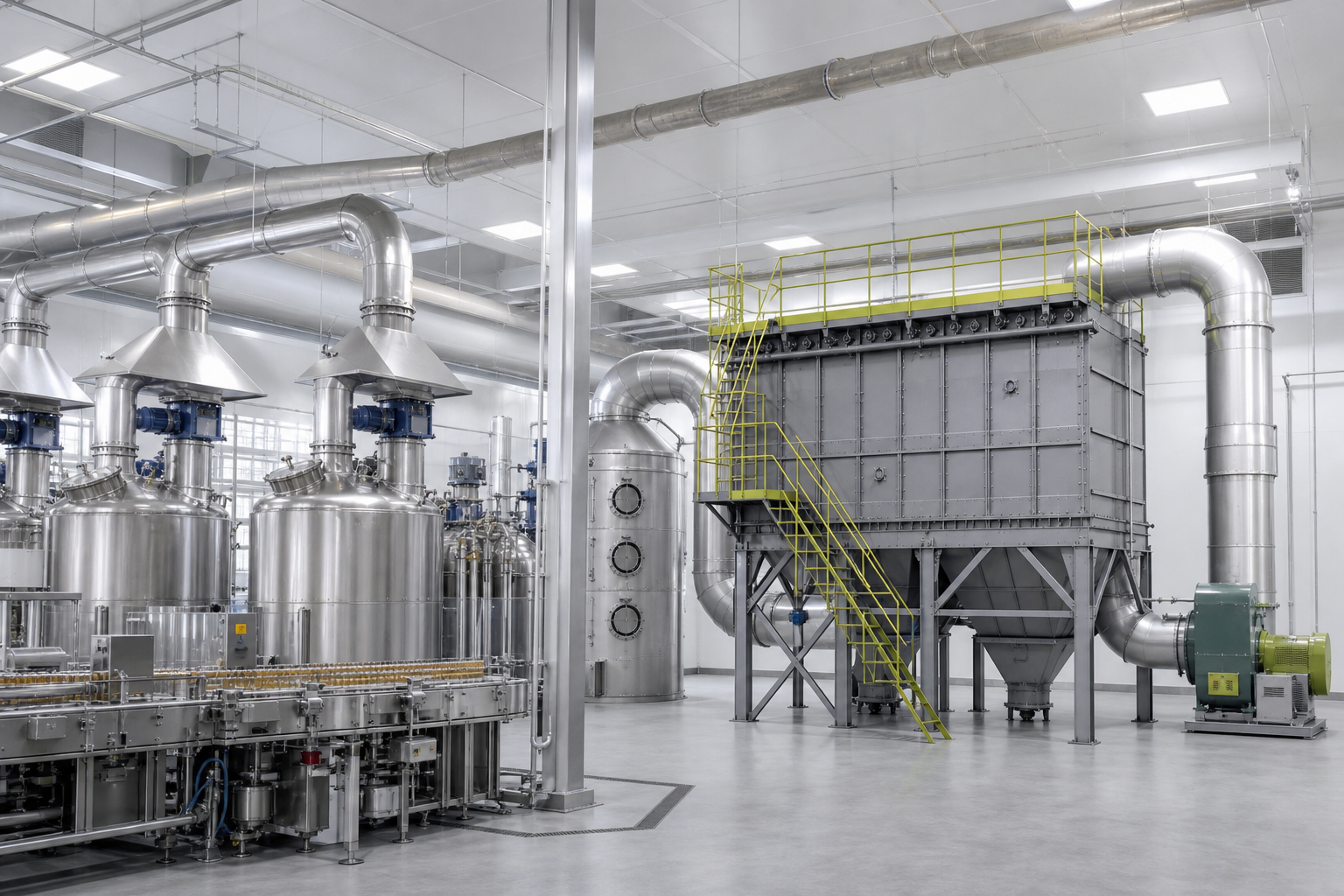
Odor control
Review airflow, pollutant properties and site conditions before final equipment selection.
Application
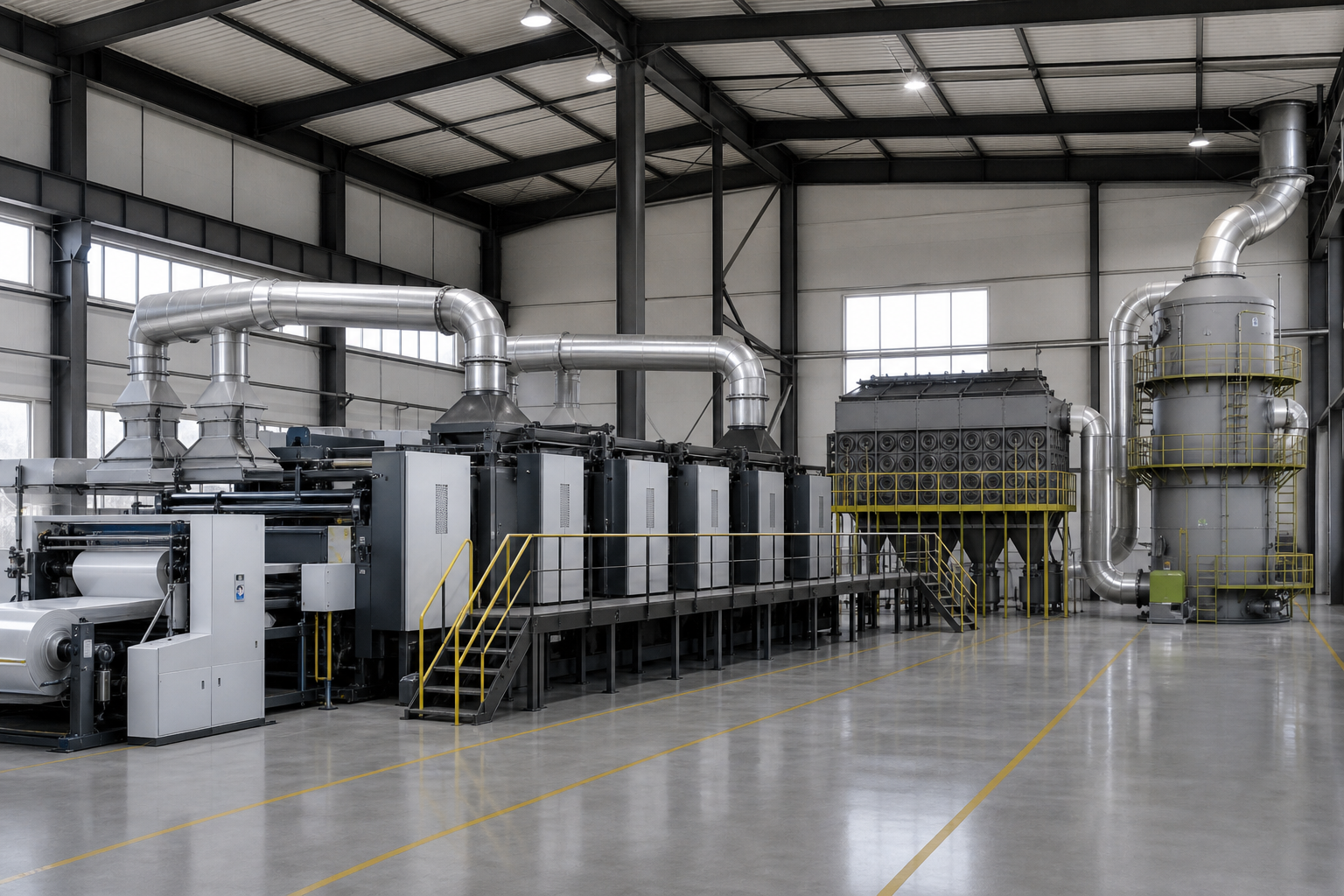
Solvent-containing industrial exhaust
Review airflow, pollutant properties and site conditions before final equipment selection.
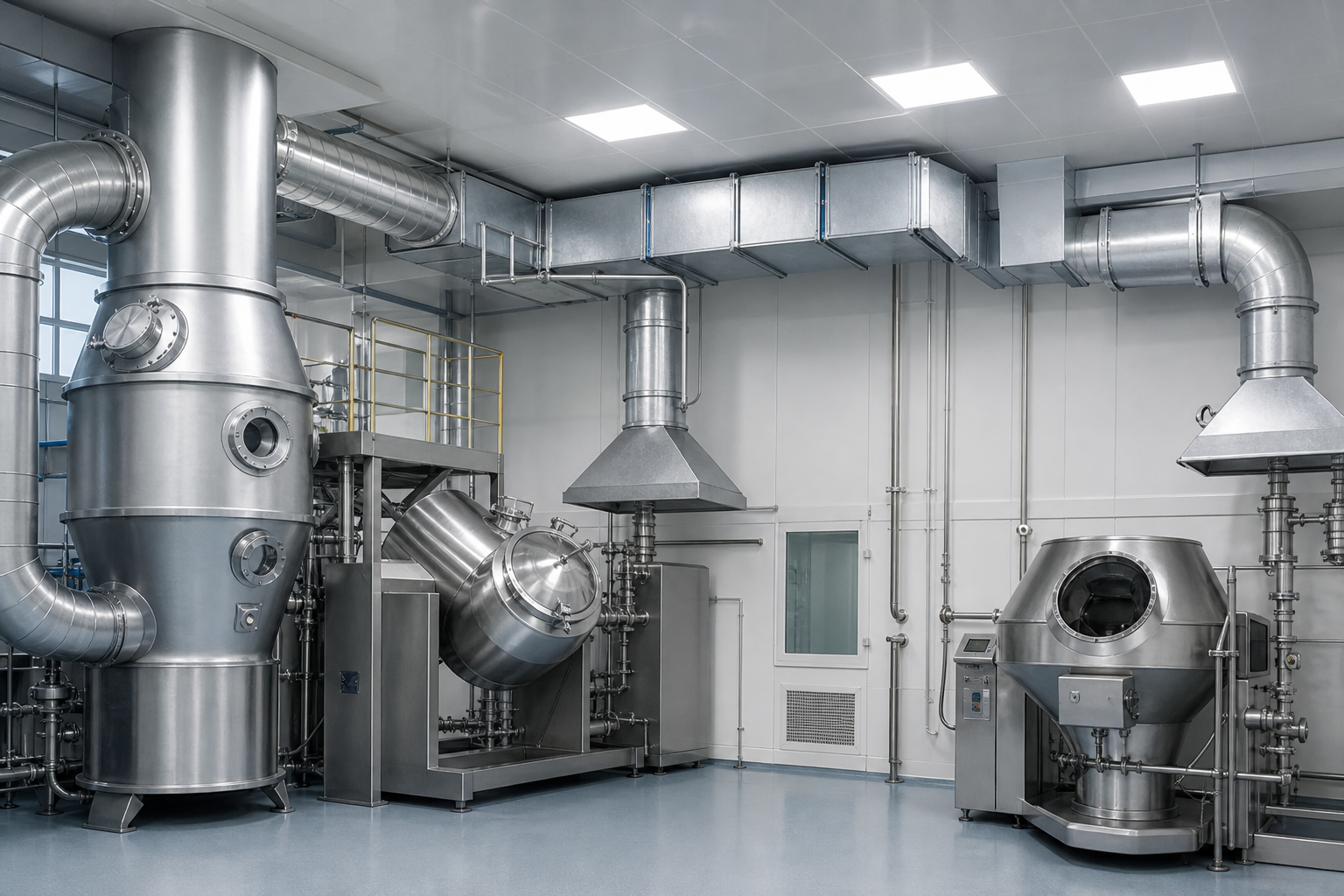
Application
Pharmaceutical exhaust
Review airflow, pollutant properties and site conditions before final equipment selection.
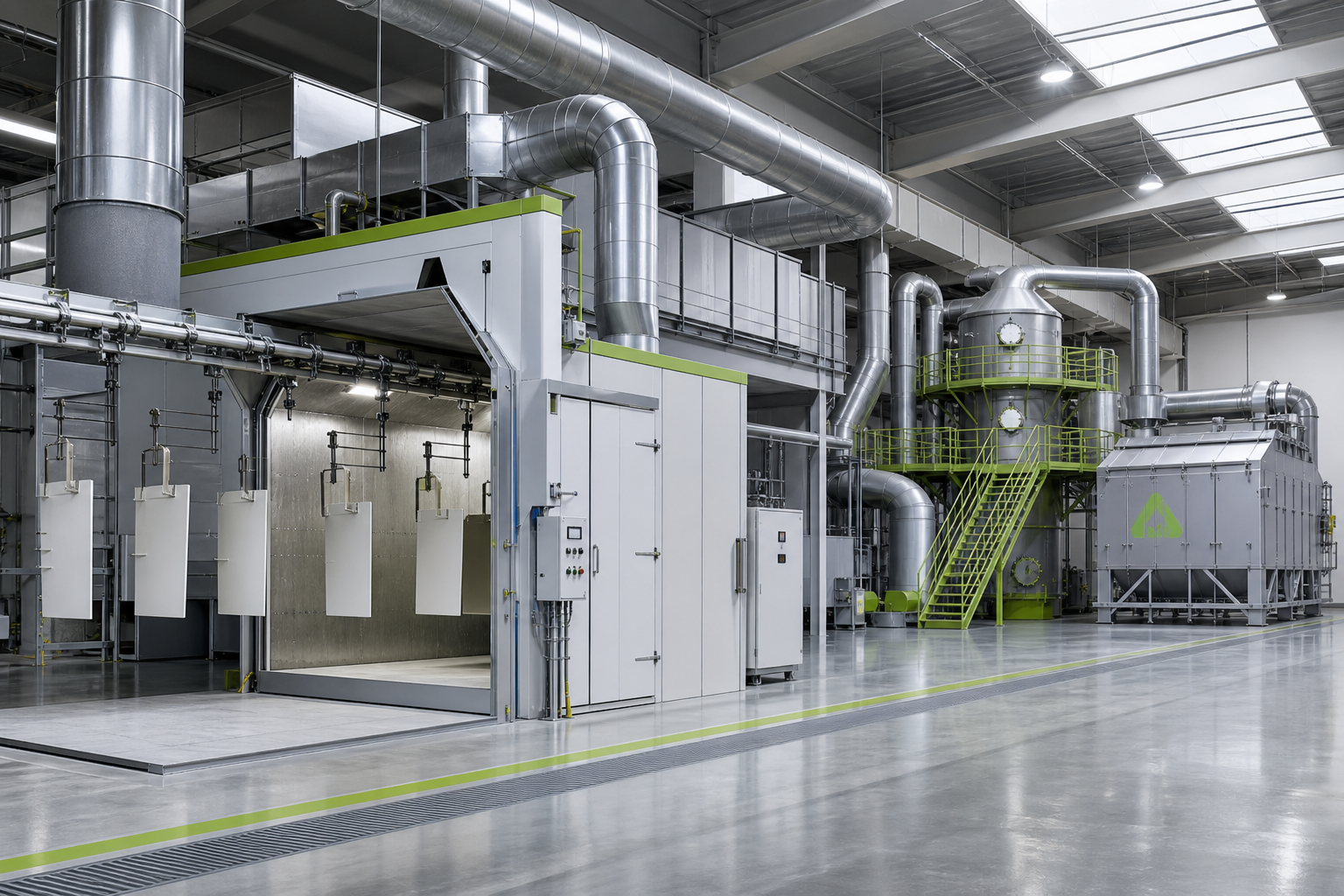
Application
Coating and painting exhaust
Review airflow, pollutant properties and site conditions before final equipment selection.
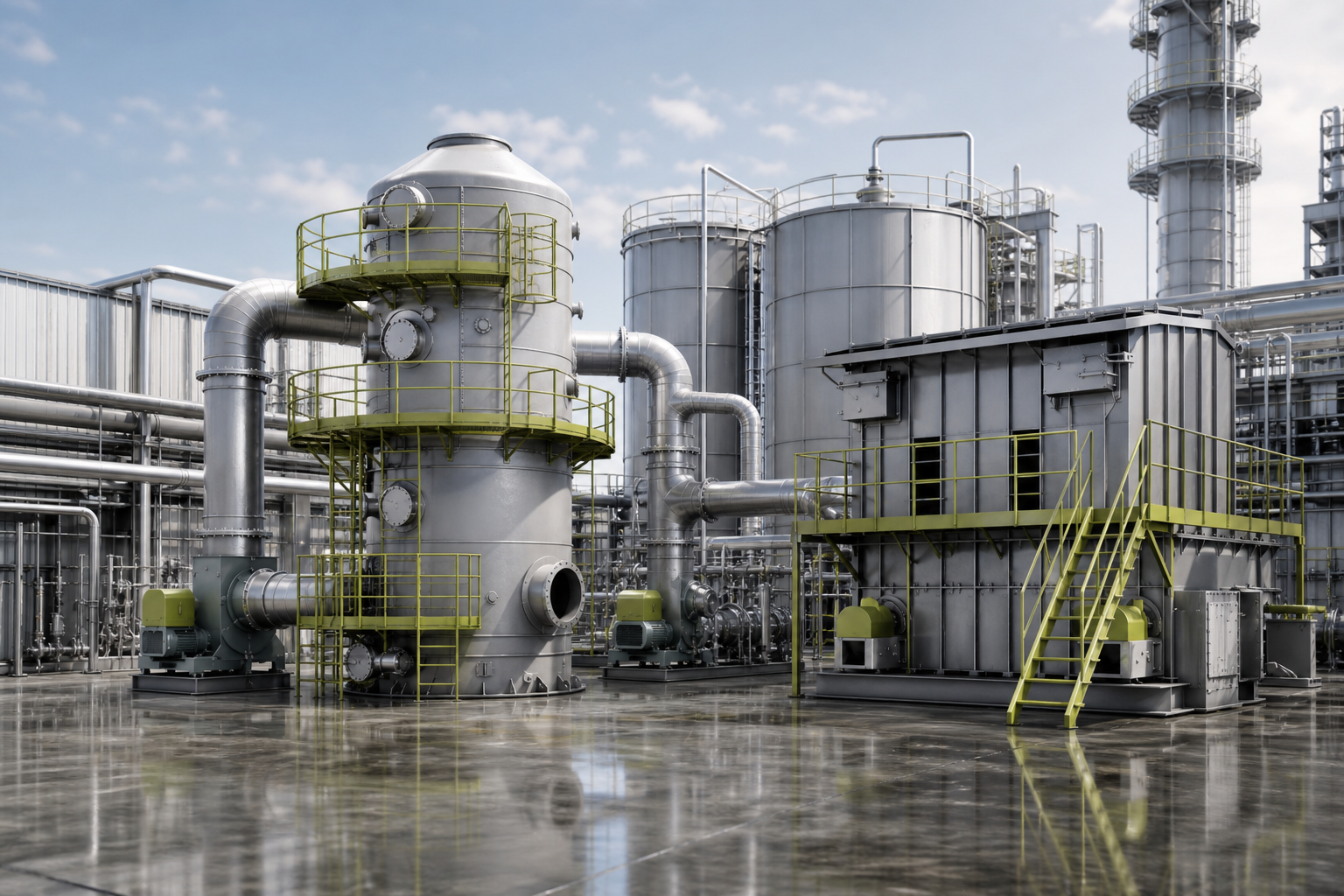
Application
Chemical process exhaust
Review airflow, pollutant properties and site conditions before final equipment selection.
How to Choose
Selection notes before requesting a quote
- Choose activated carbon adsorption for low-concentration VOC, solvent fume or odor control applications.
- Confirm VOC type, concentration, temperature, humidity and operating hours to estimate carbon consumption and replacement cycle.
- Compare with RTO when VOC concentration and operating hours justify thermal oxidation.
- Compare with a wet scrubber when pollutants are water-soluble or need neutralization.
Related Products
View CategoryCompare related AIER equipment
Product Inquiry
What Information Should You Send for a Quote?
For a more accurate recommendation, please include your process, pollutant type, airflow, concentration, temperature, target emission requirement and destination country in the message.


Send Us a Message
FAQ
Frequently Asked Questions
Short answers for product-level selection. For exact model sizing, send your operating data to AIER.
What can an activated carbon adsorption system treat?
An activated carbon adsorption system treats low-concentration VOCs, odor and solvent fumes. Exhaust gas contacts porous activated carbon with a large surface area, and pollutants are adsorbed onto the carbon media. It is a common route for activated carbon odor control in food, chemical and pharmaceutical exhaust.
Which activated carbon types can be used?
Granular activated carbon, honeycomb activated carbon or customized adsorption media can be selected according to exhaust gas composition and treatment requirements.
When should the activated carbon be replaced?
Replacement depends on VOC type, concentration, humidity and operating hours. AIER estimates carbon consumption and the replacement cycle based on the exhaust gas condition and the carbon loading volume of the unit.
What information is needed for an activated carbon adsorption quote?
Please provide VOC type, concentration, airflow, temperature, humidity, operating hours, emission target and installation country. AIER will review the adsorption route, carbon type and safety options based on the exhaust gas condition.