Heat recovery as high as 95%-97% can be achieved
Exhaust Gas Treatment
Regenerative Thermal Oxidizer (RTO) System Manufacturer
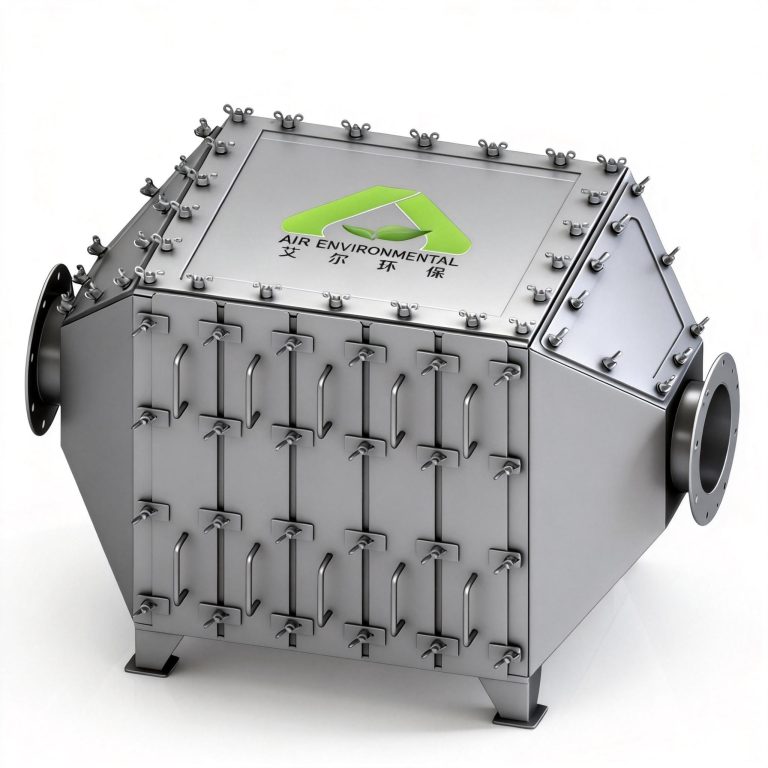
A regenerative thermal oxidizer, or RTO, is an industrial VOC treatment system that destroys suitable organic exhaust gases through high-temperature oxidation and heat recovery.
It is selected for coating, printing, chemical, pharmaceutical and other processes where VOC concentration, operating hours and heat recovery potential justify thermal oxidation.
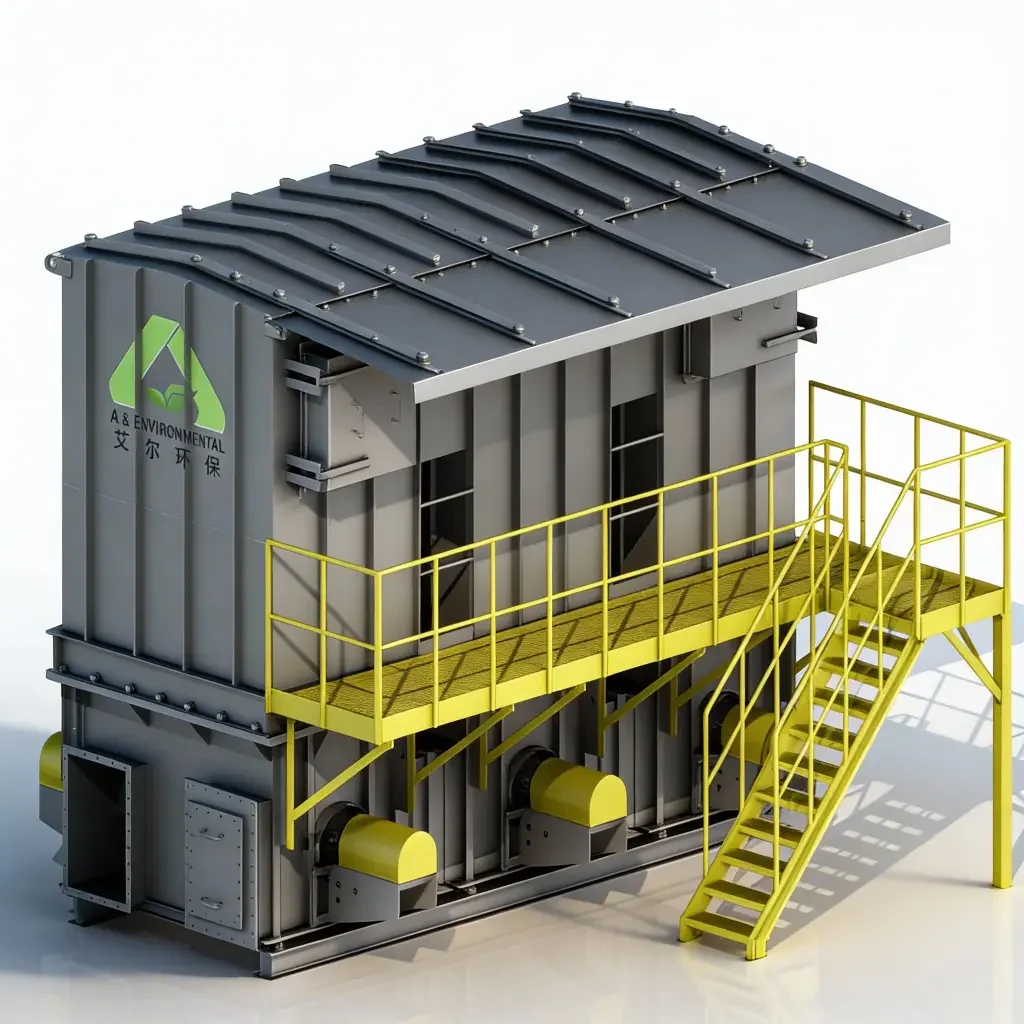
Product Description
RTO system for VOC destruction and heat recovery
regenerative thermal oxidizer information, applications and selection notes for industrial emission control projects.
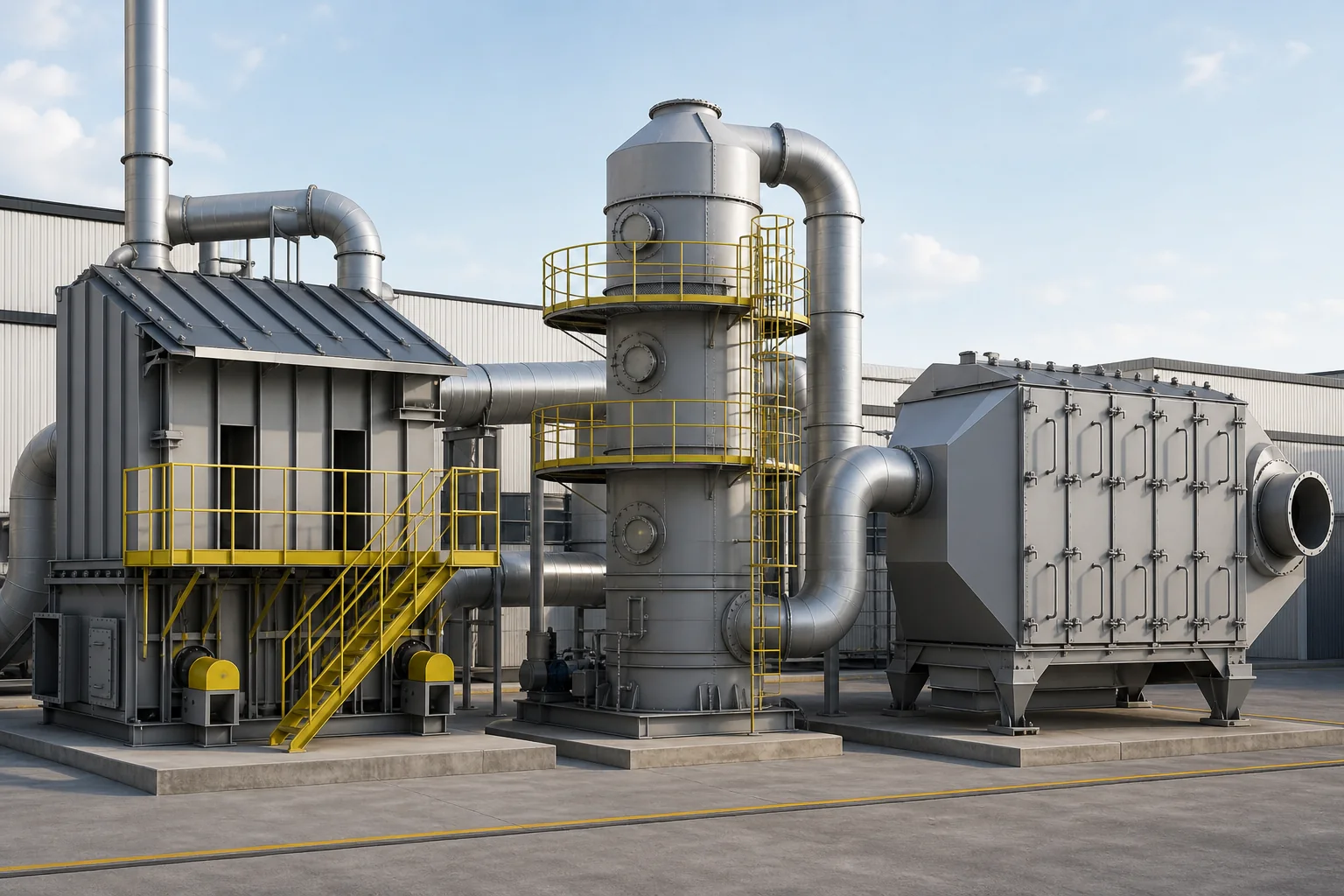
Regenerative Thermal Oxidizer equipment is abbreviated as RTO, and its full name is (Regenerative Thermal Oxidizer). The basic principle is to oxidize organic waste gases (VOCs) under high temperature conditions (≥760°C) to generate CO2+H2O, with a purification efficiency of up to 99%. The high-temperature gas generated by the oxidation flows through the special ceramic regenerator, causing the ceramic body to heat up and “storage heat”. The next process is that the waste gas passes through the “heat-storage” ceramics, transferring the heat of the ceramic to the waste gas, and the organic waste gas passes through Ceramics serve as a heat exchanger carrier and repeatedly perform heat exchange, thereby saving fuel consumption for exhaust gas heating, reducing operating costs, and the heat recovery efficiency is as high as 95%. Under medium and high concentration conditions, RTO can output waste heat to the outside and utilize it through steam, hot air, hot water, etc., to achieve economic benefits while meeting environmental protection goals.
- Send VOC type, concentration, airflow, temperature, humidity and operating hours before selection.
- Review corrosion, explosion risk, pre-treatment and emission target before final configuration.
- Compare RTO, scrubber and activated carbon based on pollutant properties and operating schedule.
Treatment direction VOC destruction
Core process Thermal oxidation with regenerative heat recovery
Typical industries Coating / chemical / pharmaceutical / printing
How It Works
How an RTO system treats VOC exhaust
VOC exhaust is preheated through ceramic heat storage media, oxidized at high temperature, and heat is recovered through regenerative chambers to reduce auxiliary energy demand under suitable conditions.
Pollution source review Equipment configuration Emission target check
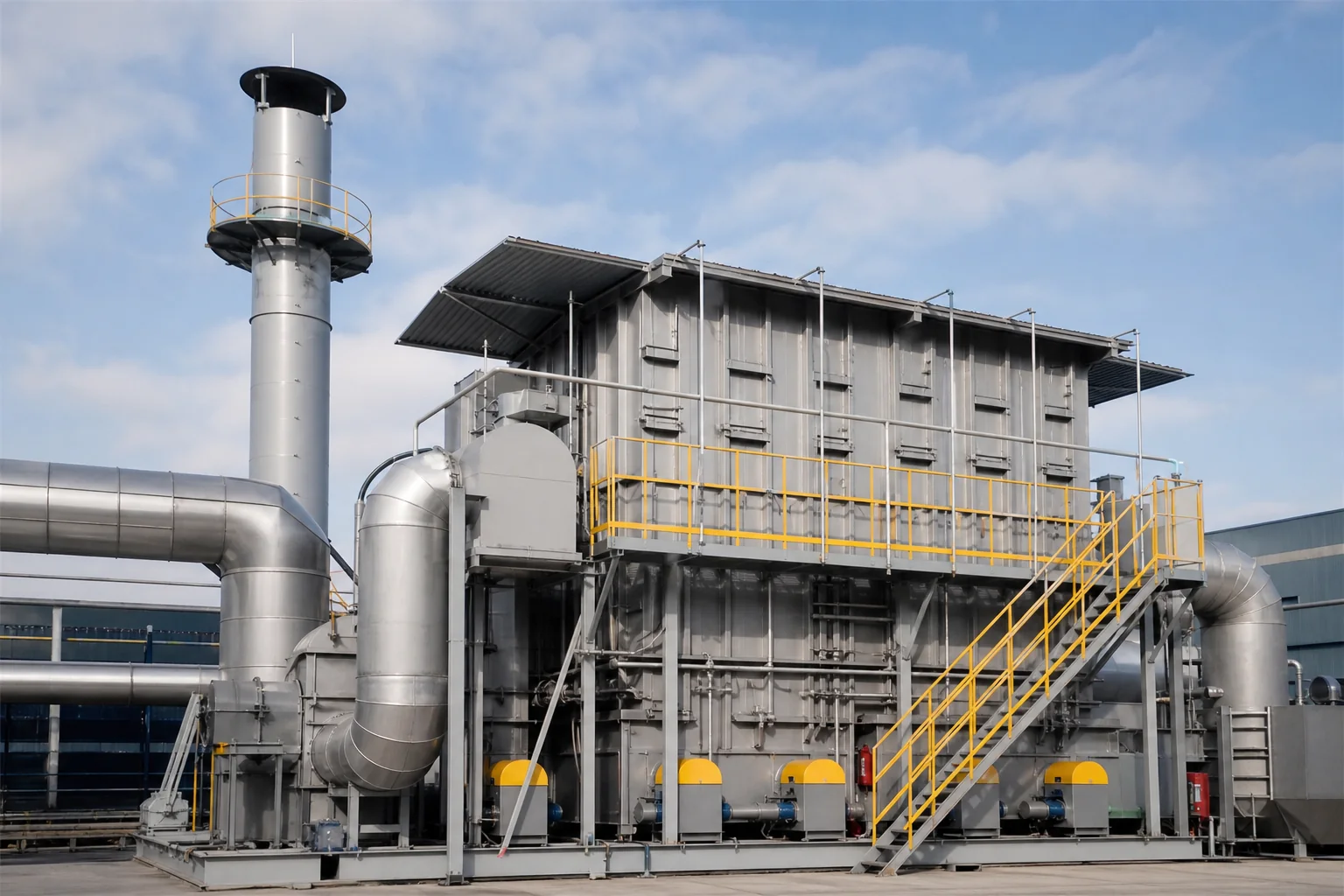
Key Features
Product features and configuration advantages
These points describe the product-level configuration direction. Final design should still be reviewed against site data.
VOC destruction rates of ≥98%
Low NOx Burners
Reliable valve design enables VOC removal rates of up to 99%
Multiple-chamber RTO systems can be designed and manufactured
User friendly design for rapid installation & ease of maintenance
PLC automatic control
Variable frequency drive(VFD) for reduced power consumption
Integrated VPN for remote troubleshooting & view of real time operations
Very low NOx generation
Technical Data / Specification
Reference data for regenerative thermal oxidizer selection
Actual parameters are configured according to airflow, concentration, temperature, installation space and target emission requirement.
| Model | Temperature (°C) | Treated air volume (Nm³/h) | Specification (mm) |
|---|---|---|---|
| AR-RTO3Q-10K | 760~950 | 10000 | 6200*2500*5100 |
| AR-RTO3Q-15K | 760~950 | 15000 | 7100*2500*5300 |
| AR-RTO3Q-20K | 760~950 | 20000 | 9000*2500*5500 |
| AR-RTO3Q-25K | 760~950 | 25000 | 9800*2500*5500 |
| AR-RTO3Q-30K | 760~950 | 30000 | 9400*3000*6000 |
| AR-RTO3Q-35K | 760~950 | 35000 | 10500*3000*6000 |
| AR-RTO3Q-40K | 760~950 | 40000 | 9400*4000*6200 |
| AR-RTO3Q-50K | 760~950 | 50000 | 11200*4000*46400 |
Applications
Where this equipment is typically used
The exact model should be selected after AIER reviews pollutant properties, airflow and operating conditions.
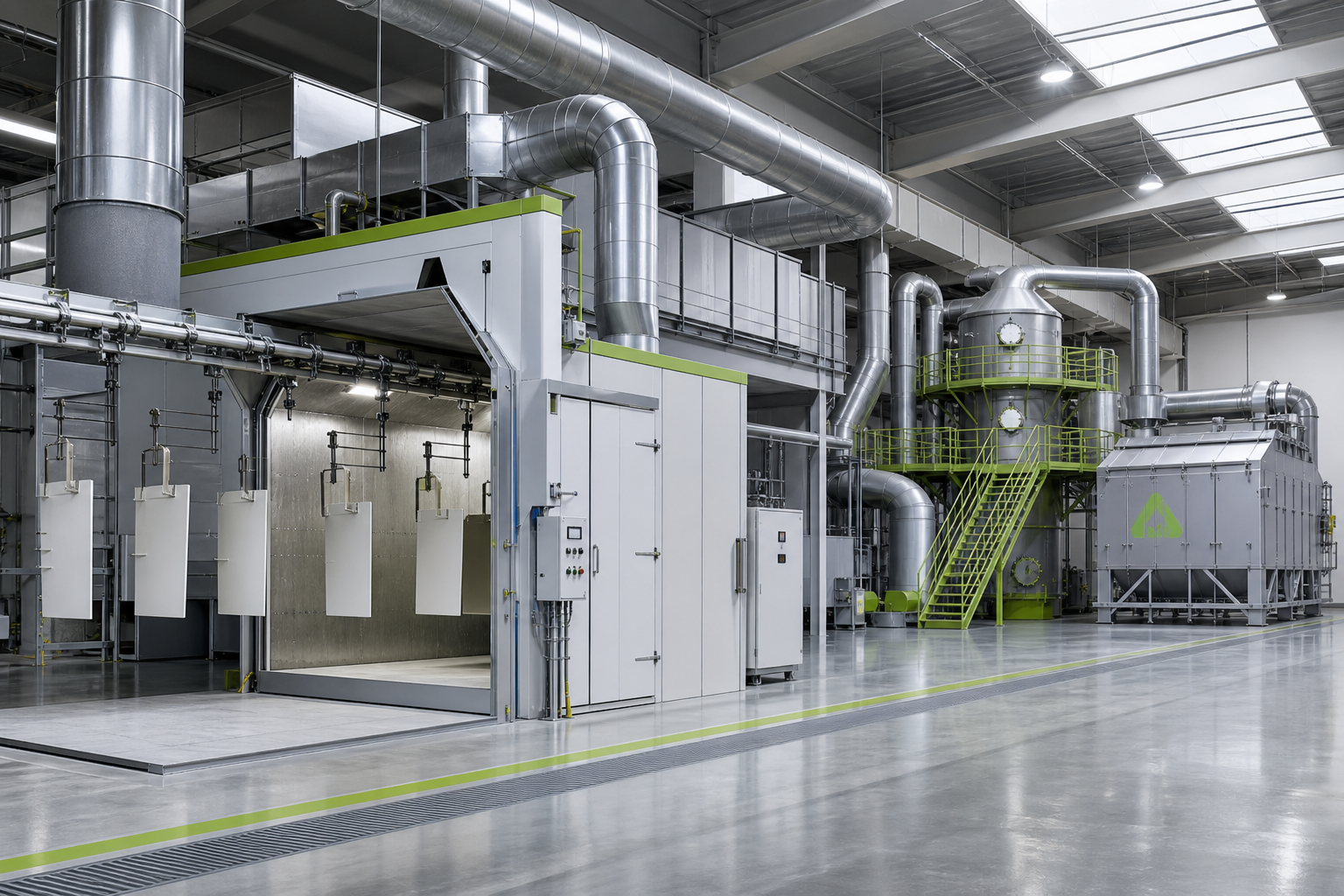
Application
Coating and painting exhaust
Review airflow, pollutant properties and site conditions before final equipment selection.

Application
Chemical process exhaust
Review airflow, pollutant properties and site conditions before final equipment selection.
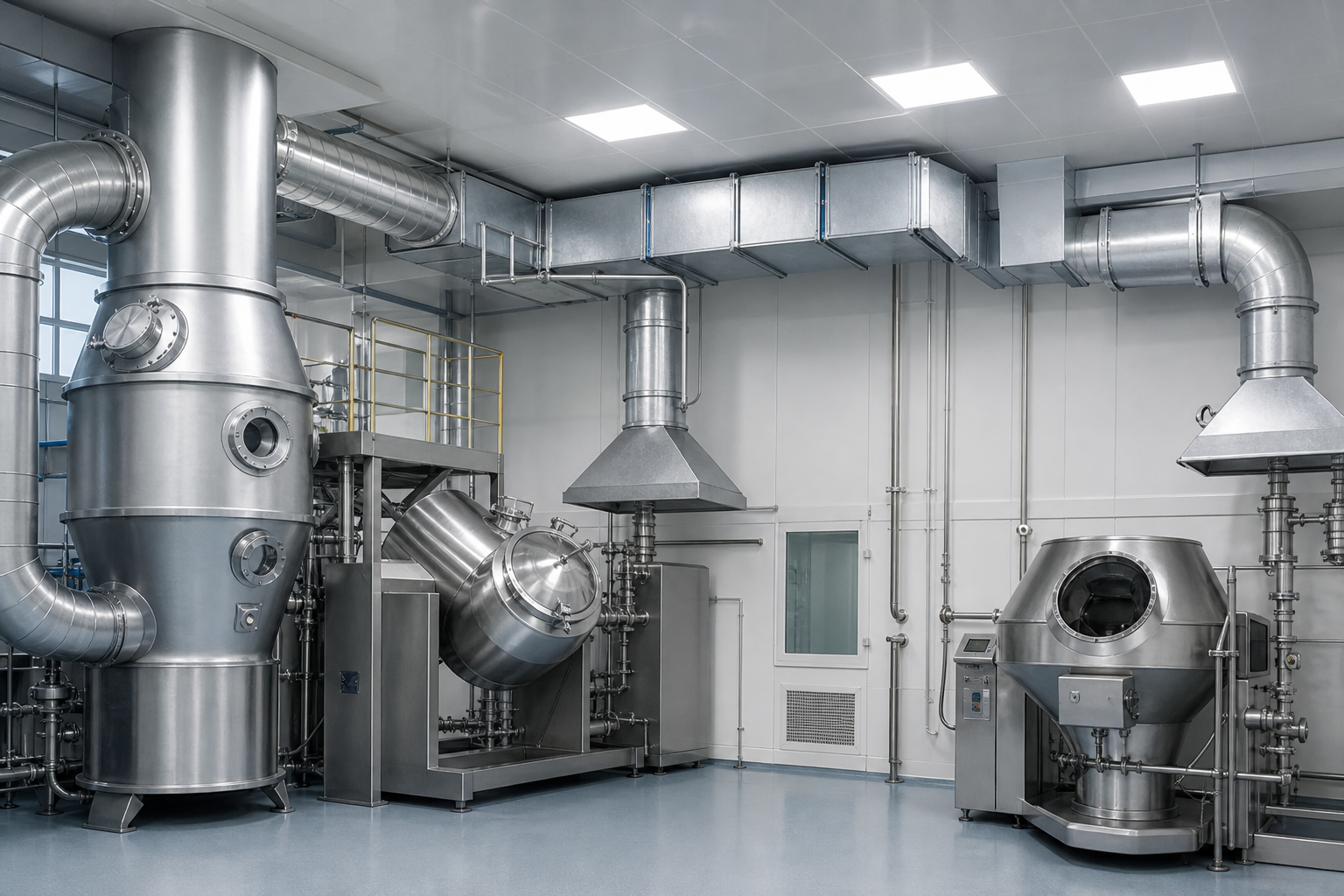
Application
Pharmaceutical exhaust
Review airflow, pollutant properties and site conditions before final equipment selection.
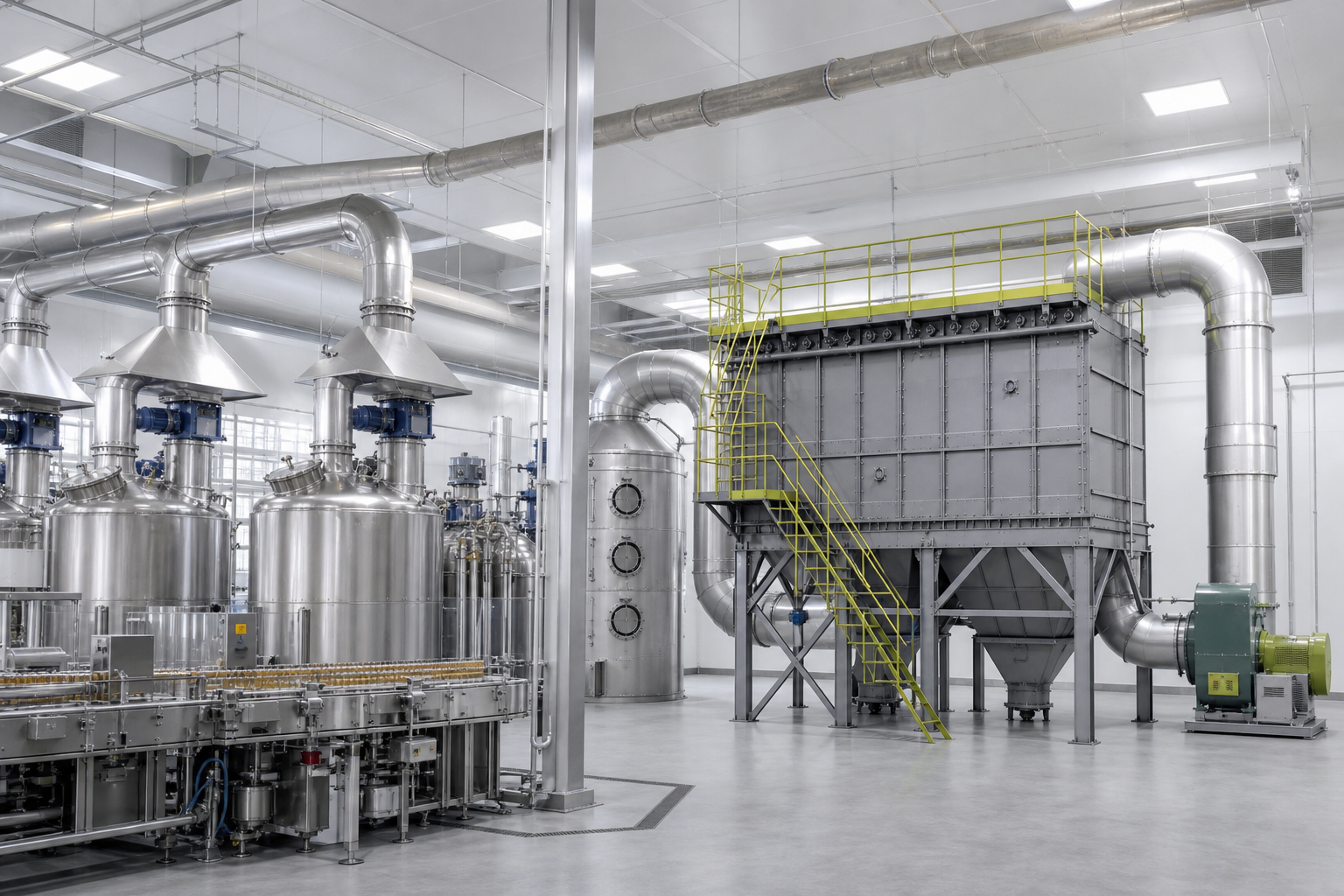
Application
Odor control
Review airflow, pollutant properties and site conditions before final equipment selection.
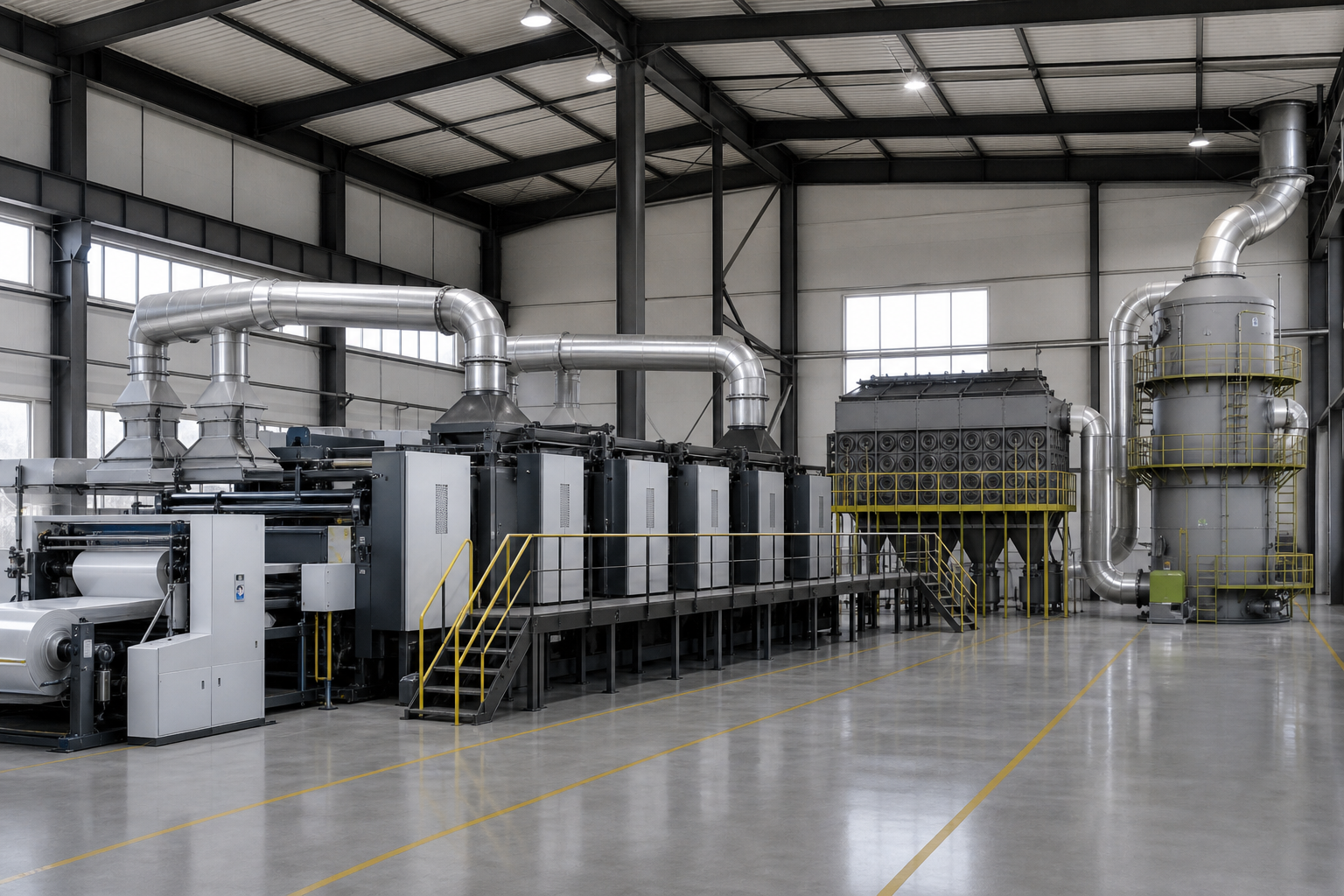
Application
Solvent-containing industrial exhaust
Review airflow, pollutant properties and site conditions before final equipment selection.
How to Choose
Selection notes before requesting a quote
- Send VOC type, concentration, airflow, temperature, humidity and operating hours before selection.
- Review corrosion, explosion risk, pre-treatment and emission target before final configuration.
- Compare RTO, scrubber and activated carbon based on pollutant properties and operating schedule.
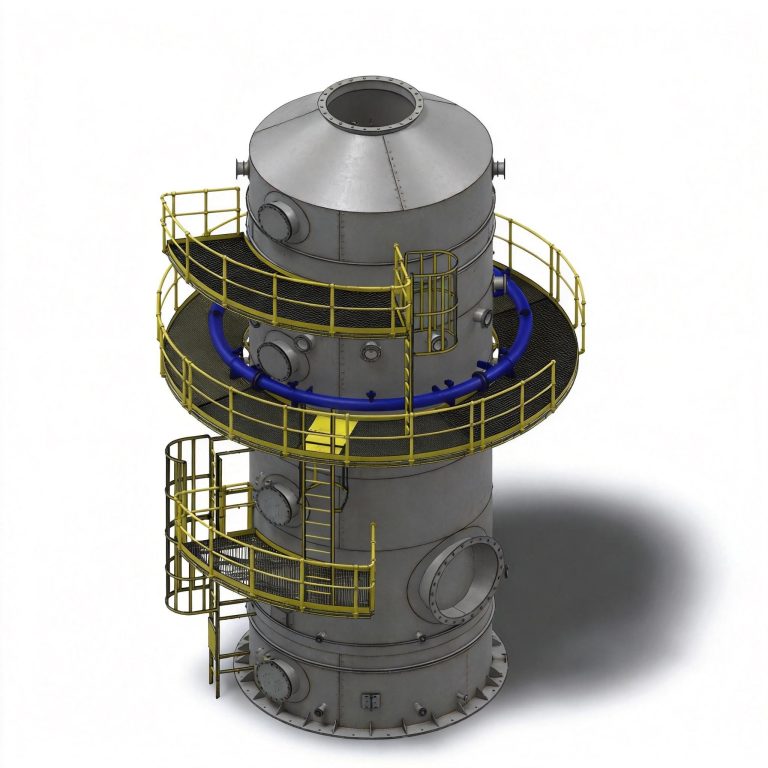
Related Products
View CategoryCompare related AIER equipment
Product Inquiry
What Information Should You Send for a Quote?
For a more accurate recommendation, please include your process, pollutant type, airflow, concentration, temperature, target emission requirement and destination country in the message.


Send Us a Message
FAQ
Frequently Asked Questions
Short answers for product-level selection. For exact model sizing, send your operating data to AIER.
What information is needed for an exhaust gas treatment quote?
Please provide pollutant composition, airflow, concentration, temperature, humidity, operating hours, emission target and installation country.
Can AIER customize the system material and process route?
Yes. AIER can review anti-corrosion material, pre-treatment, ducting, controls and the treatment route based on the exhaust gas condition.
How do I choose between RTO, scrubber and activated carbon adsorption?
RTO is often reviewed for suitable VOC streams, scrubbers are used for soluble gases or wet treatment conditions, and activated carbon adsorption is commonly considered for low-concentration VOC or odor control.
Does the product page replace an emission control design?
No. It explains the equipment direction. Final configuration should be confirmed with process data and local emission requirements.