High removal efficiency for acidic, alkaline, and water-soluble gases
Exhaust Gas Treatment
Industrial Wet Scrubber System for Exhaust Gas Treatment
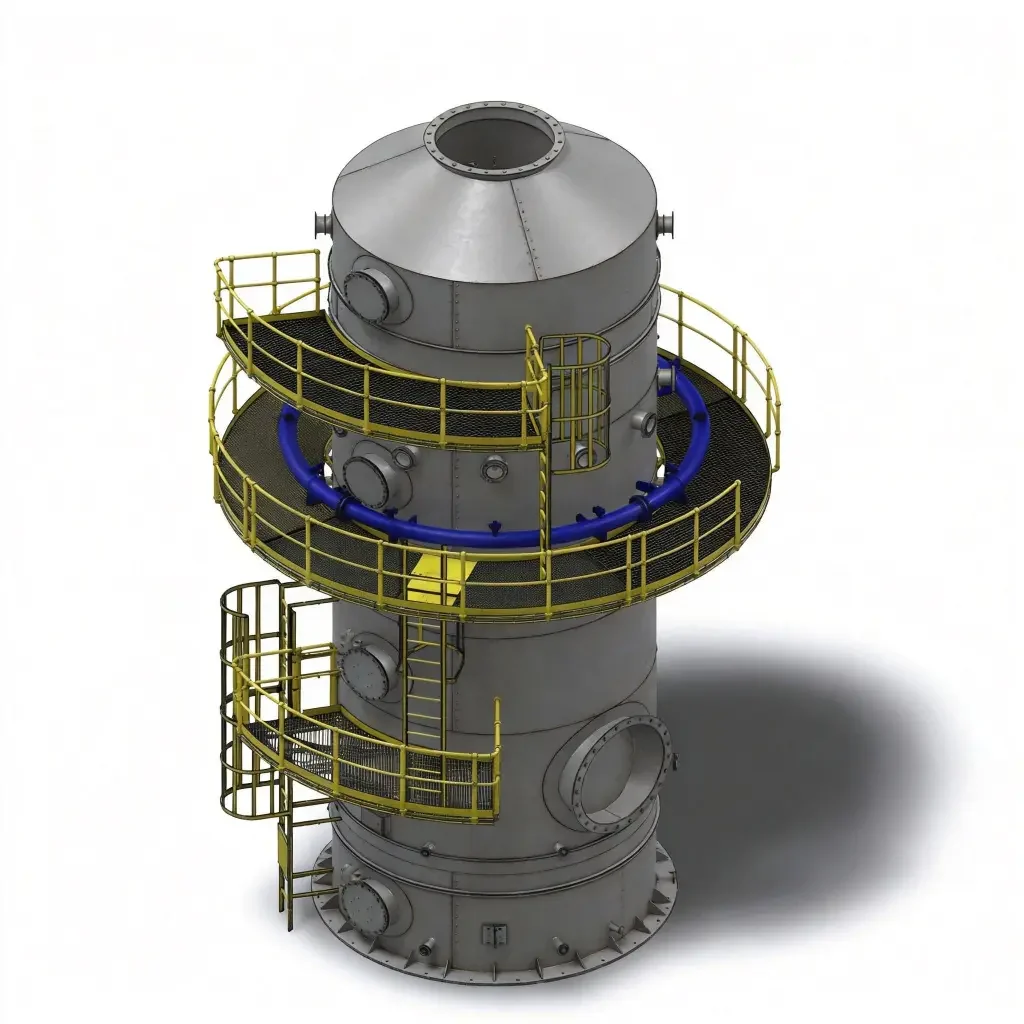
An industrial wet scrubber is an exhaust gas treatment system that uses gas-liquid contact to remove suitable acid gases, alkaline gases, odor or soluble pollutants.
It is used for chemical, food, rubber, tire, laboratory and process exhaust conditions where wet treatment and neutralization are suitable.
Product Description
Wet scrubber system for acid gas, odor and soluble exhaust control
wet scrubber information, applications and selection notes for industrial emission control projects.
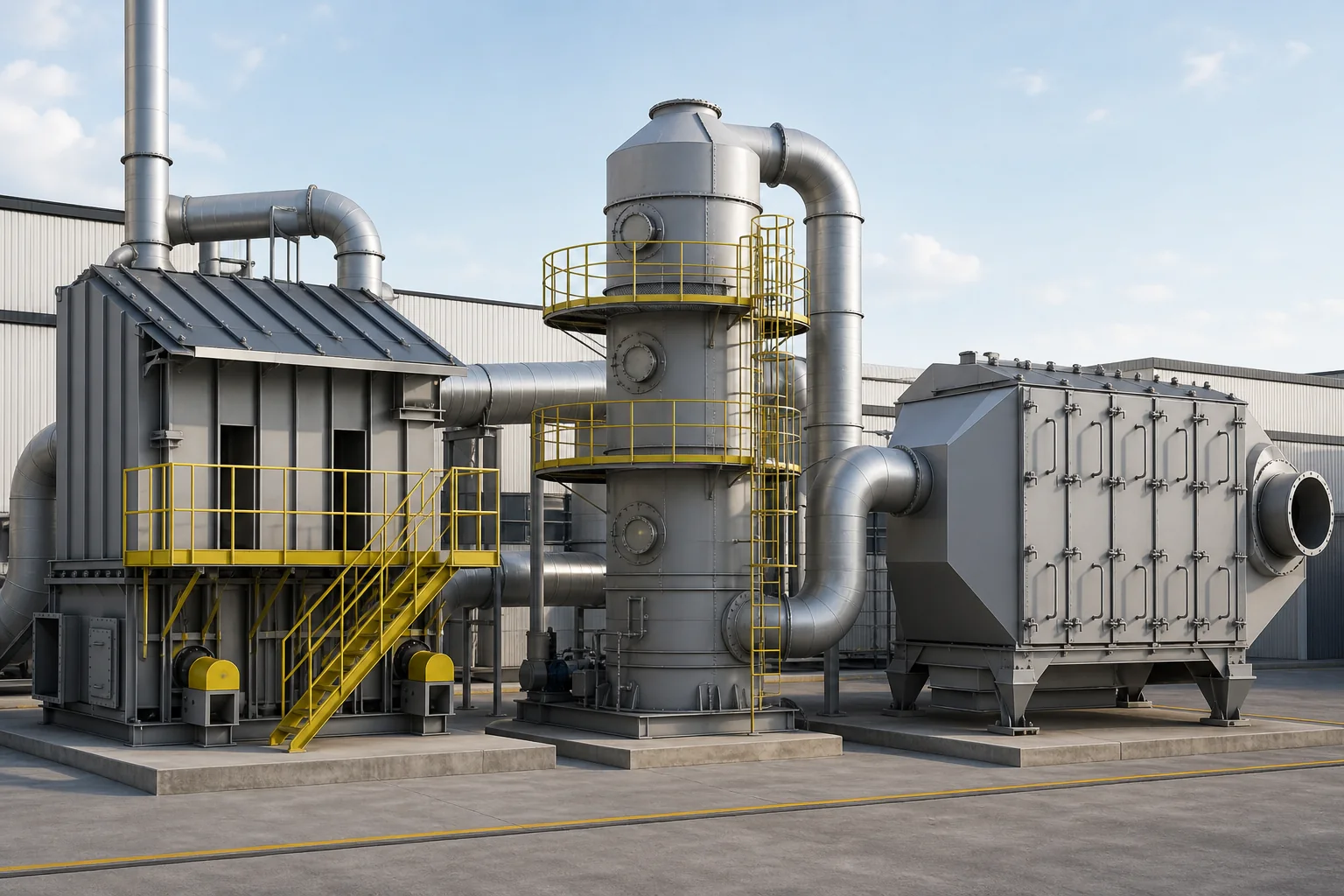
AIER Environmental scrubbers remove harmful components from exhaust gas by promoting intensive contact between the gas stream and the scrubbing liquid through spray, packed-bed, or multi-stage gas–liquid contact designs. Depending on the gas composition, water scrubbing, acidic scrubbing, alkaline scrubbing, or combined processes can be applied to meet specific treatment requirements.
The system features optimized gas distribution and liquid spraying designs to ensure effective mass transfer, reasonable pressure drop, and stable operation. Tower materials are available in carbon steel, stainless steel, or FRP, offering excellent corrosion resistance for long-term continuous service.
Based on exhaust gas composition, airflow rate, emission limits, and site conditions, AIER Environmental provides customized scrubber solutions. The system can also be integrated with dust collectors, RTO systems, and activated carbon units to form a complete and reliable air pollution control process.
- Send gas composition, pH or corrosiveness, airflow, concentration, temperature and humidity before selection.
- Review corrosion, explosion risk, pre-treatment and emission target before final configuration.
- Compare RTO, scrubber and activated carbon based on pollutant properties and operating schedule.
Treatment direction Acid gas / odor / soluble pollutants
Core process Gas-liquid contact and circulation
Material direction PP / FRP / stainless steel by gas condition
How It Works
How a wet scrubber uses gas-liquid contact
Exhaust gas enters the scrubber and contacts circulating liquid through packing or spray zones. Suitable pollutants are absorbed, neutralized or washed before treated gas exits the system.
Pollution source review Equipment configuration Emission target check
Key Features
Product features and configuration advantages
These points describe the product-level configuration direction. Final design should still be reviewed against site data.
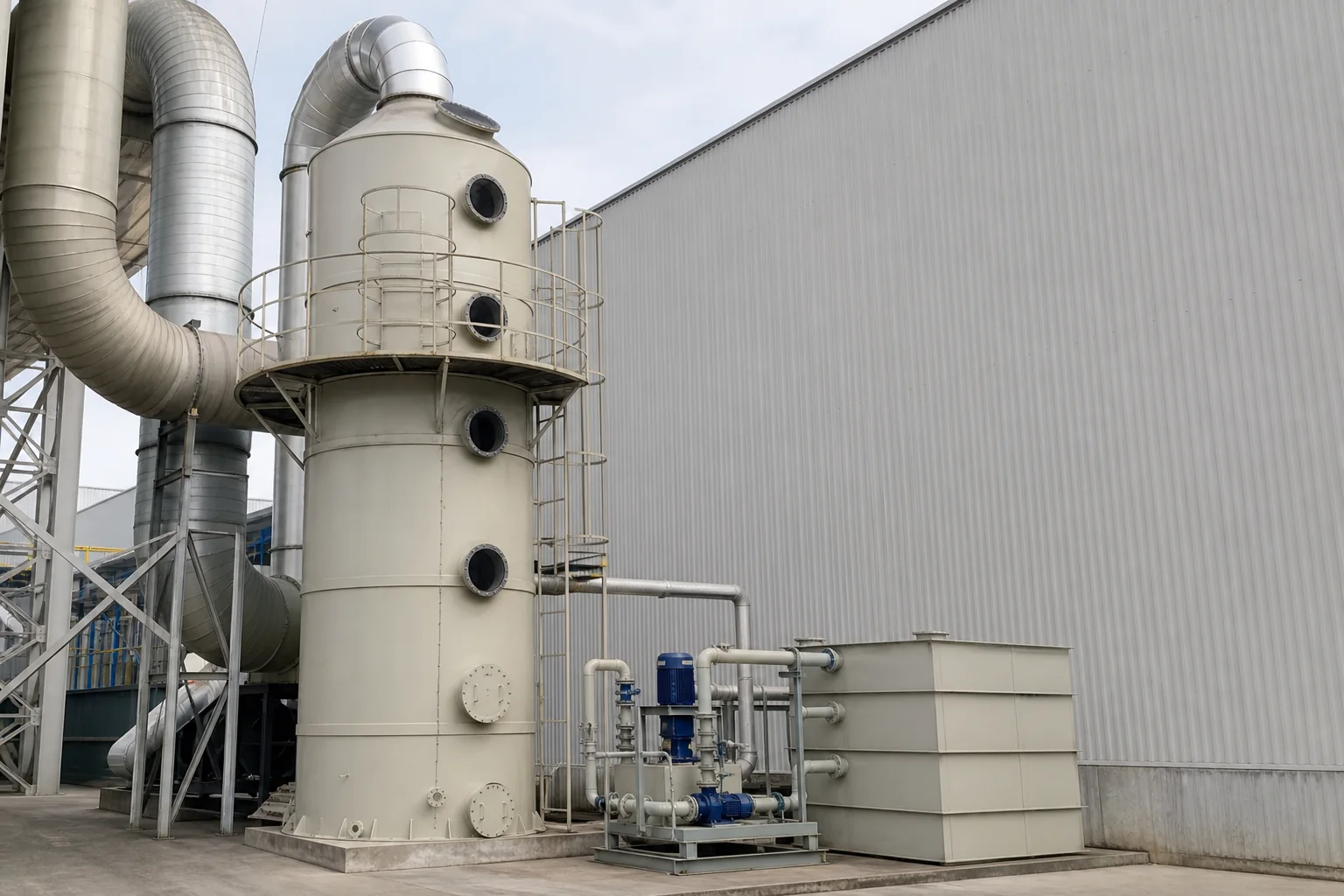
Flexible process design with single or multi-stage scrubbing
Stable and reliable operation for continuous industrial use
Multiple material options with strong corrosion resistance
Strong system integration capability with other treatment units
Technical Data / Specification
Reference data for wet scrubber selection
Actual parameters are configured according to airflow, concentration, temperature, installation space and target emission requirement.
| Model | Temperature (°C) | Treated air volume (Nm³/h) | Specification (mm) |
|---|---|---|---|
| AR-SC-1168 | According to specific working conditions | 4000 | φ1100*6800 |
| AR-SC-1468 | According to specific working conditions | 8000 | φ 1400*6800 |
| AR-SC-1668 | According to specific working conditions | 12000 | φ1600*6800 |
| AR-SC-2068 | According to specific working conditions | 18000 | φ2000*6800 |
| AR-SC-2680 | According to specific working conditions | 30000 | φ2600*8000 |
| AR-SC-3080 | According to specific working conditions | 40000 | φ3000*8000 |
| AR-SC-3480 | According to specific working conditions | 50000 | φ3400*8000 |
Applications
Where this equipment is typically used
The exact model should be selected after AIER reviews pollutant properties, airflow and operating conditions.
Application
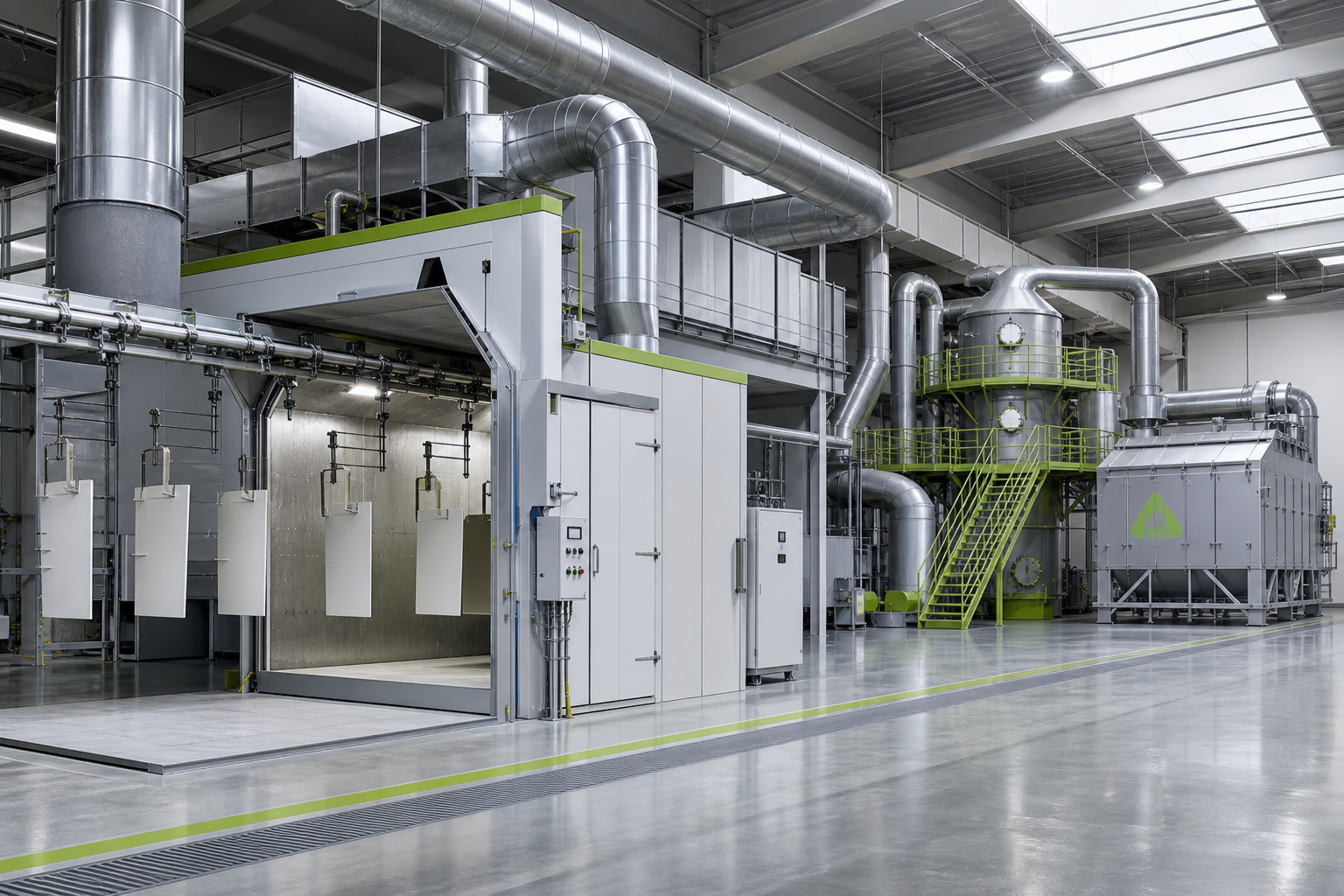
Acid gas exhaust
Review airflow, pollutant properties and site conditions before final equipment selection.

Application
Chemical process exhaust
Review airflow, pollutant properties and site conditions before final equipment selection.
Application
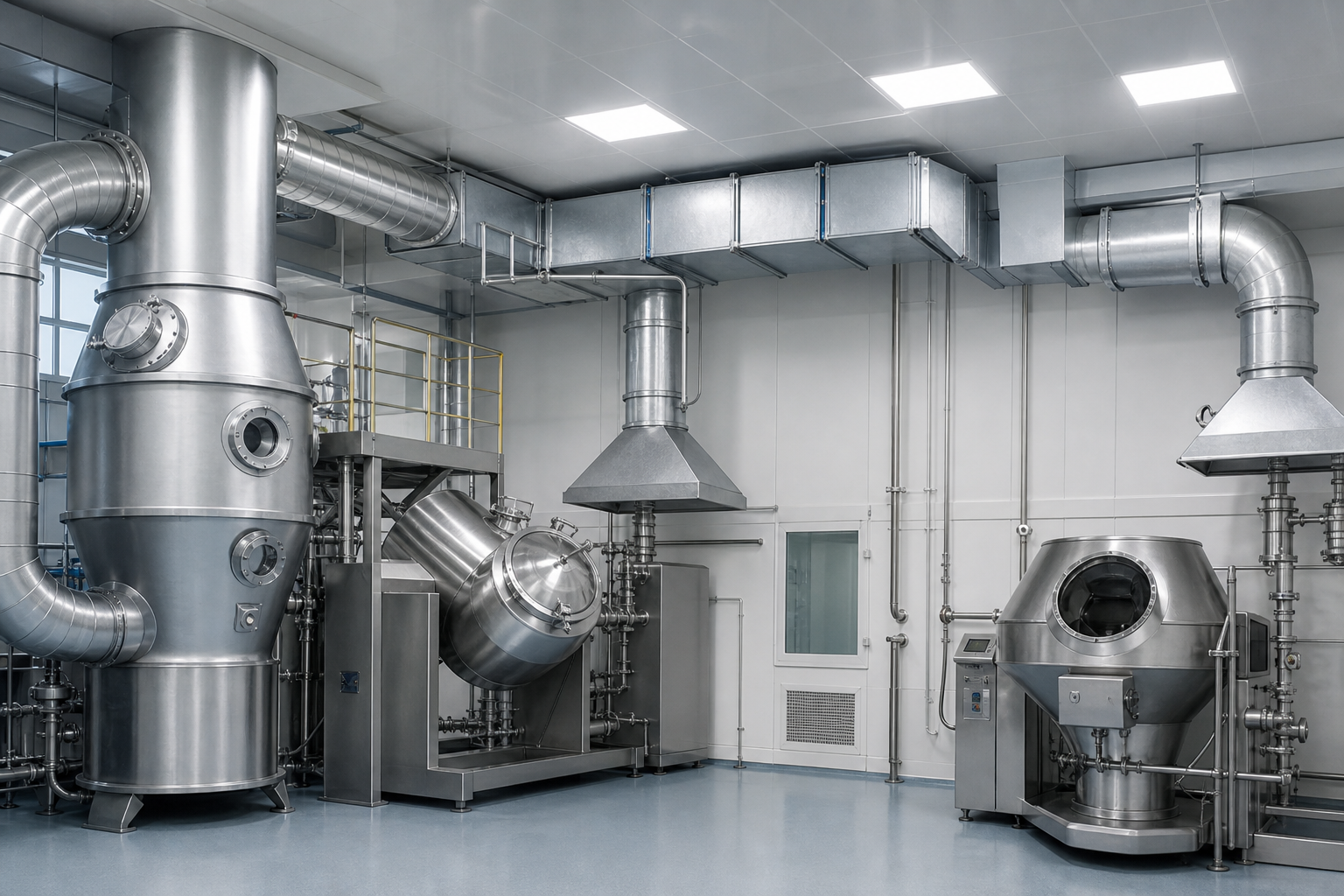
Food and odor control
Review airflow, pollutant properties and site conditions before final equipment selection.
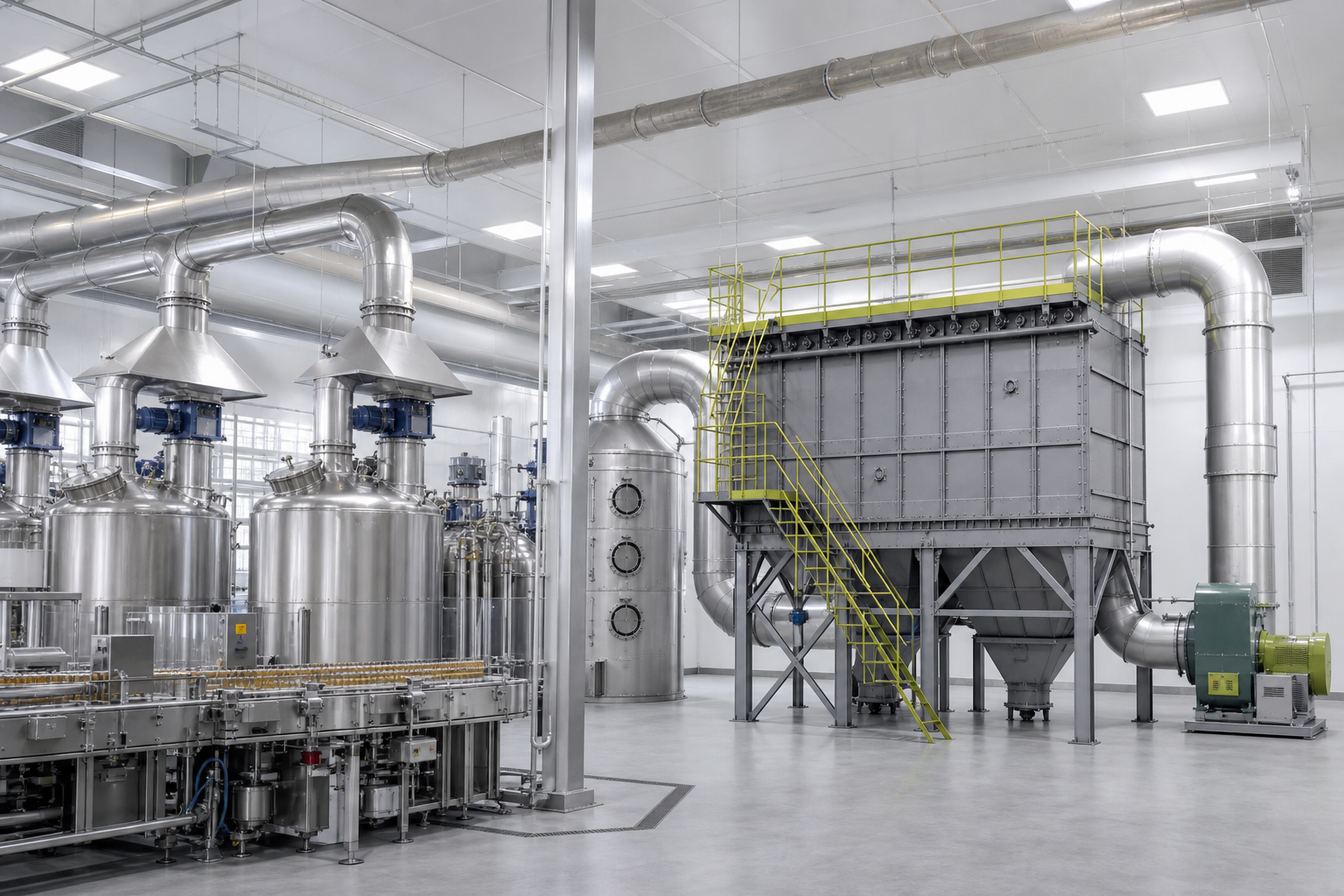
Application
Rubber and tire industry exhaust
Review airflow, pollutant properties and site conditions before final equipment selection.
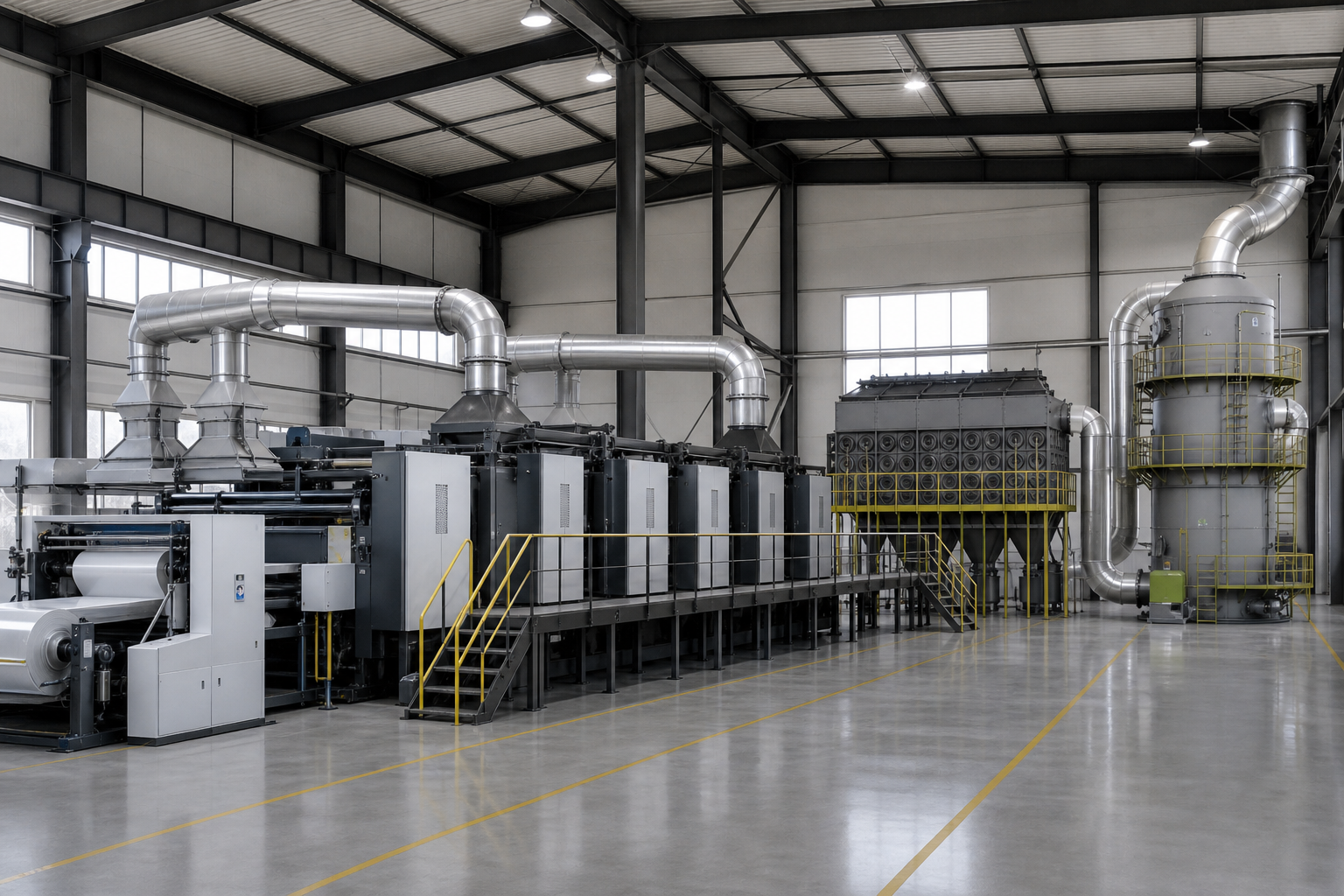
Application
Laboratory or workshop wet exhaust
Review airflow, pollutant properties and site conditions before final equipment selection.
How to Choose
Selection notes before requesting a quote
- Choose a wet scrubber when pollutants are suitable for absorption or neutralization.
- Confirm corrosion, pH, mist, liquid handling and wastewater requirements.
- Compare with RTO for VOC destruction when gas is not suitable for wet absorption.
- Compare with activated carbon adsorption for low-concentration odor or VOC polishing.
Related Products
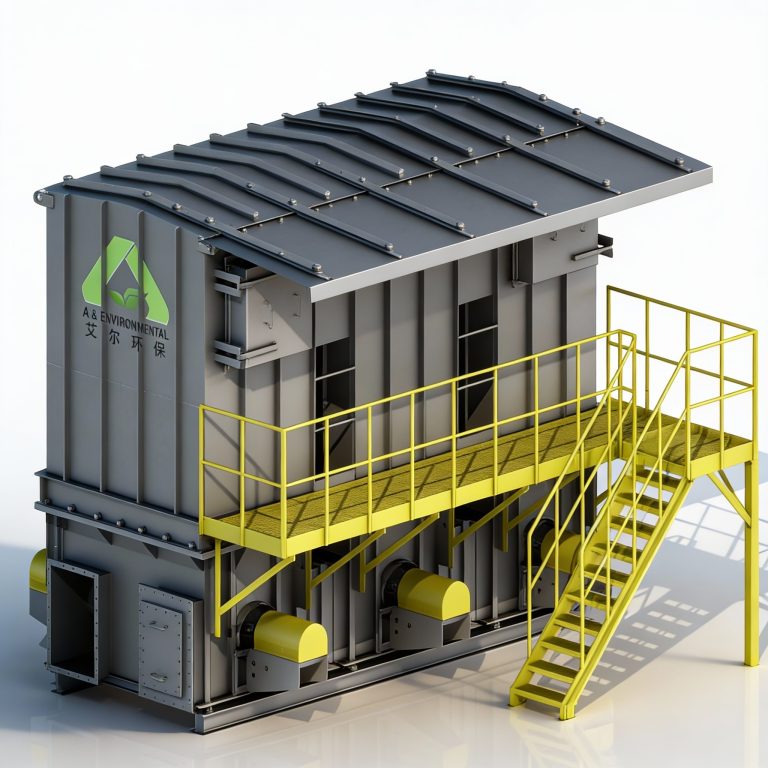
View CategoryCompare related AIER equipment
Product Inquiry
What Information Should You Send for a Quote?
For a more accurate recommendation, please include your process, pollutant type, airflow, concentration, temperature, target emission requirement and destination country in the message.


Send Us a Message
FAQ
Frequently Asked Questions
Short answers for product-level selection. For exact model sizing, send your operating data to AIER.
What pollutants can a wet scrubber remove?
A wet scrubber removes acid gases, alkaline gases, odor and water-soluble pollutants through gas-liquid contact. It can also remove some organic substances in the exhaust gas that can be dissolved in water.
What is the difference between water washing and chemical washing?
Water washing can decompose water-soluble components such as ethanol. Chemical washing is divided into acid washing and alkaline washing, and the treatment route is selected according to the gas composition and application.
Does a wet scrubber need a dehumidifier at the outlet?
The tail gas relative humidity after a wet scrubber can reach 100%, so a downstream dehumidifier is recommended when the following process or emission requirement needs drier gas.
What information is needed for a wet scrubber quote?
Please provide gas composition, pH or corrosiveness, airflow, concentration, temperature, humidity, emission target and installation country. AIER will review the scrubber material and process route based on the exhaust gas condition.