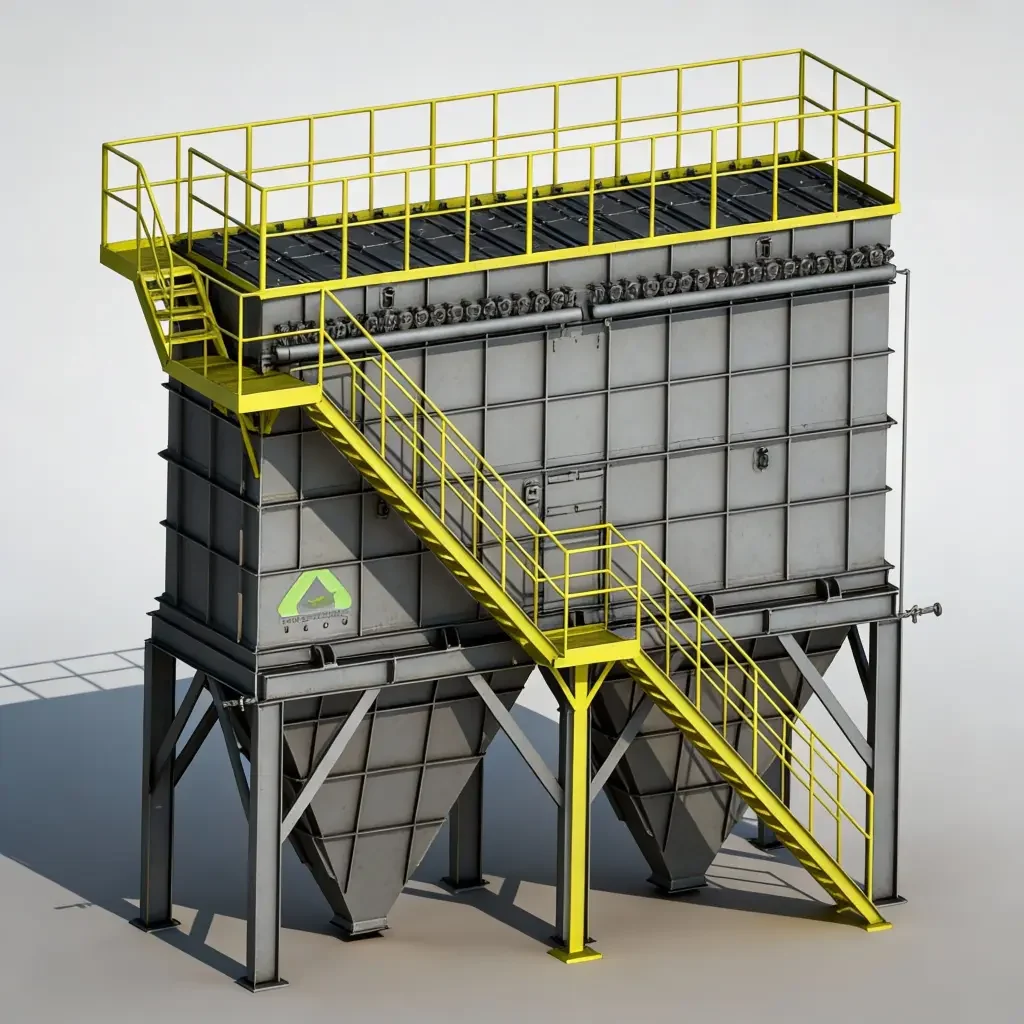
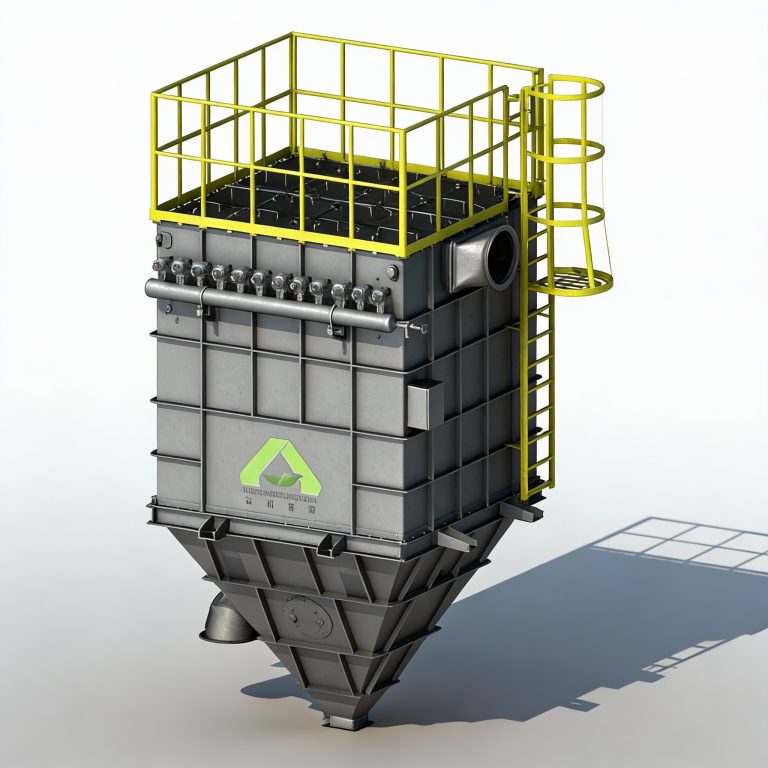
The inlet adopts a unique drainage structure, the flue gas flow evenly distributed to the filter element
Industrial Dust Collection
Baghouse Dust Collector - Pulse Jet Bag Filter System
A baghouse dust collector is a pulse jet bag filter system used for larger industrial dust loads and continuous dust collection projects.
It is often selected for foundry, cement, steel, chemical, mixing and heavy manufacturing processes that require larger filtration area.
Product Description
High-volume baghouse dust collection for heavy industrial dust
baghouse dust collector information, applications and selection notes for industrial emission control projects.
AIER Environmental Bag Filter Dust Collector is a proven and widely used solution for industrial dust control, suitable for high dust concentration, large airflow, and continuous operation. The system removes dust particles from process gas through high-efficiency filter bags, ensuring stable and compliant emissions. It is also known as a baghouse filter or baghouse dust collection system.
Various filter bag designs—including round bags, flat bags, and pleated bags—can be selected based on operating conditions. Combined with pulse-jet, reverse-air, or hybrid cleaning systems, the dust collector maintains high filtration efficiency and stable pressure drop even under demanding conditions.
Bag filter dust collectors are known for their versatility, high capacity, and reliable performance. They are widely applied in chemical processing, metallurgy, building materials, cement, glass manufacturing, lithium material production, rubber & plastics, pharmaceuticals, and mineral processing industries.
Based on dust characteristics such as particle size, concentration, temperature, humidity, corrosiveness, and combustibility, AIER Environmental provides customized solutions including high-temperature resistance, corrosion protection, explosion-proof, and antistatic designs to ensure safe, reliable, and compliant long-term operation.
- Send dust source, airflow, dust loading and temperature before equipment selection.
- Review dust properties carefully when the dust is sticky, oily, wet or high-temperature.
- Confirm installation space, hopper discharge and maintenance access before final sizing.
Treatment direction Industrial dust collection
Core process Pulse jet filtration
Review data Dust source, airflow, dust loading and temperature
How It Works
How the baghouse filter system works
Dust-laden air passes through filter bags, dust is retained on the bag surface, and compressed-air pulses clean the bags in cycles. The collected dust falls into the hopper for discharge or handling.
Pollution source review Equipment configuration Emission target check
Key Features
Product features and configuration advantages
These points describe the product-level configuration direction. Final design should still be reviewed against site data.
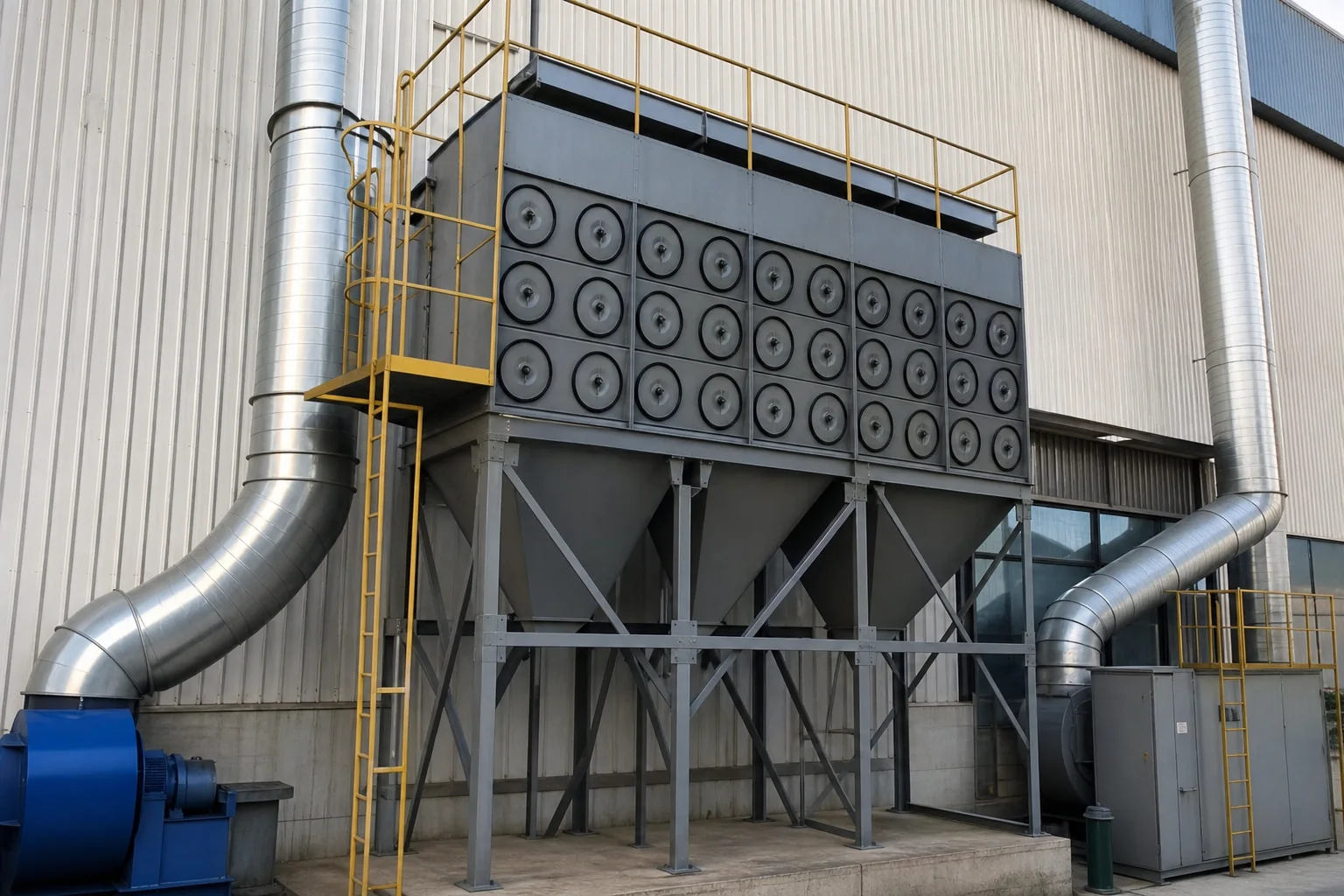
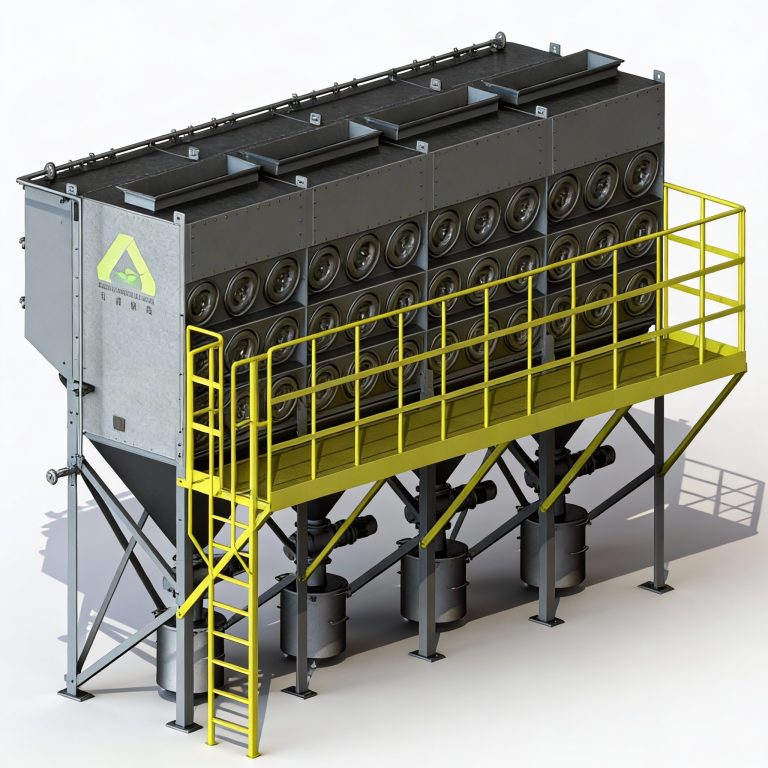
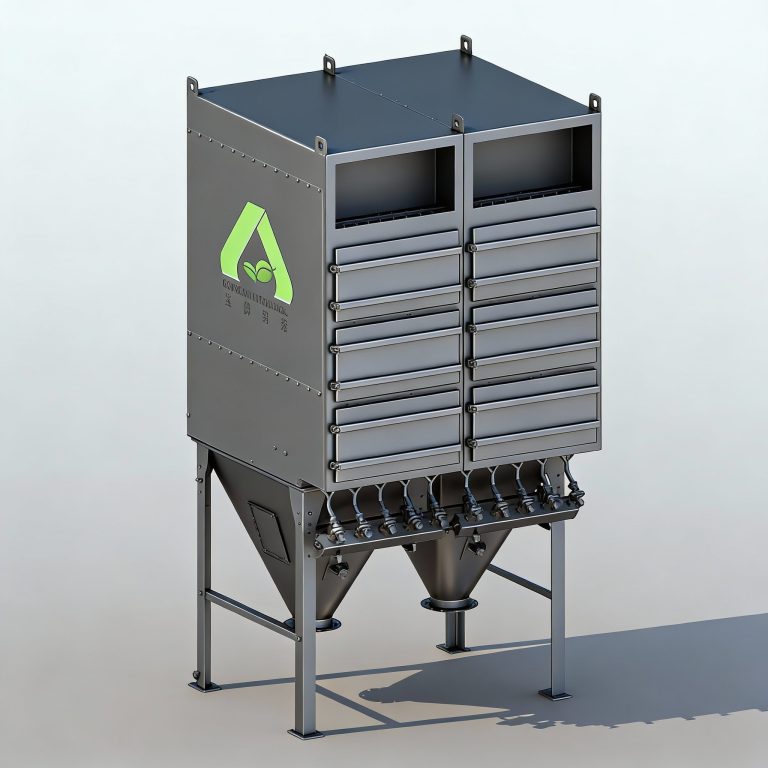
Modular composition of the required processing air volume
The cabin is relatively independent, in order to replace the bag without stopping
Flu gas temperature, dust collector operating pressure detection, material level detection and fault detection system operation status detection
Technical Data / Specification
Reference data for baghouse dust collector selection
Actual parameters are configured according to airflow, concentration, temperature, installation space and target emission requirement.
| Model | Filtration Area (m²) | Air flow (m³/h) | Pulse valve size | Pulse valve qty | Filter bag quantity |
|---|---|---|---|---|---|
| AR-BH-460 | 460 | 26000-41000 | 2-3" | 25 | 300 |
| AR-BH-540 | 540 | 32000-48000 | 2-3" | 25 | 350 |
| AR-BH-650 | 650 | 38000-57000 | 2-3" | 30 | 420 |
| AR-BH-750 | 750 | 44000-67000 | 2-3" | 35 | 490 |
| AR-BH-860 | 860 | 51000-77000 | 2-3" | 40 | 560 |
| AR-BH-920 | 920 | 55000~82000 | 2-3" | 50 | 600 |
| AR-BH-1070 | 1070 | 64000-96000 | 2-3" | 50 | 700 |
Applications
Where this equipment is typically used
The exact model should be selected after AIER reviews pollutant properties, airflow and operating conditions.
Application
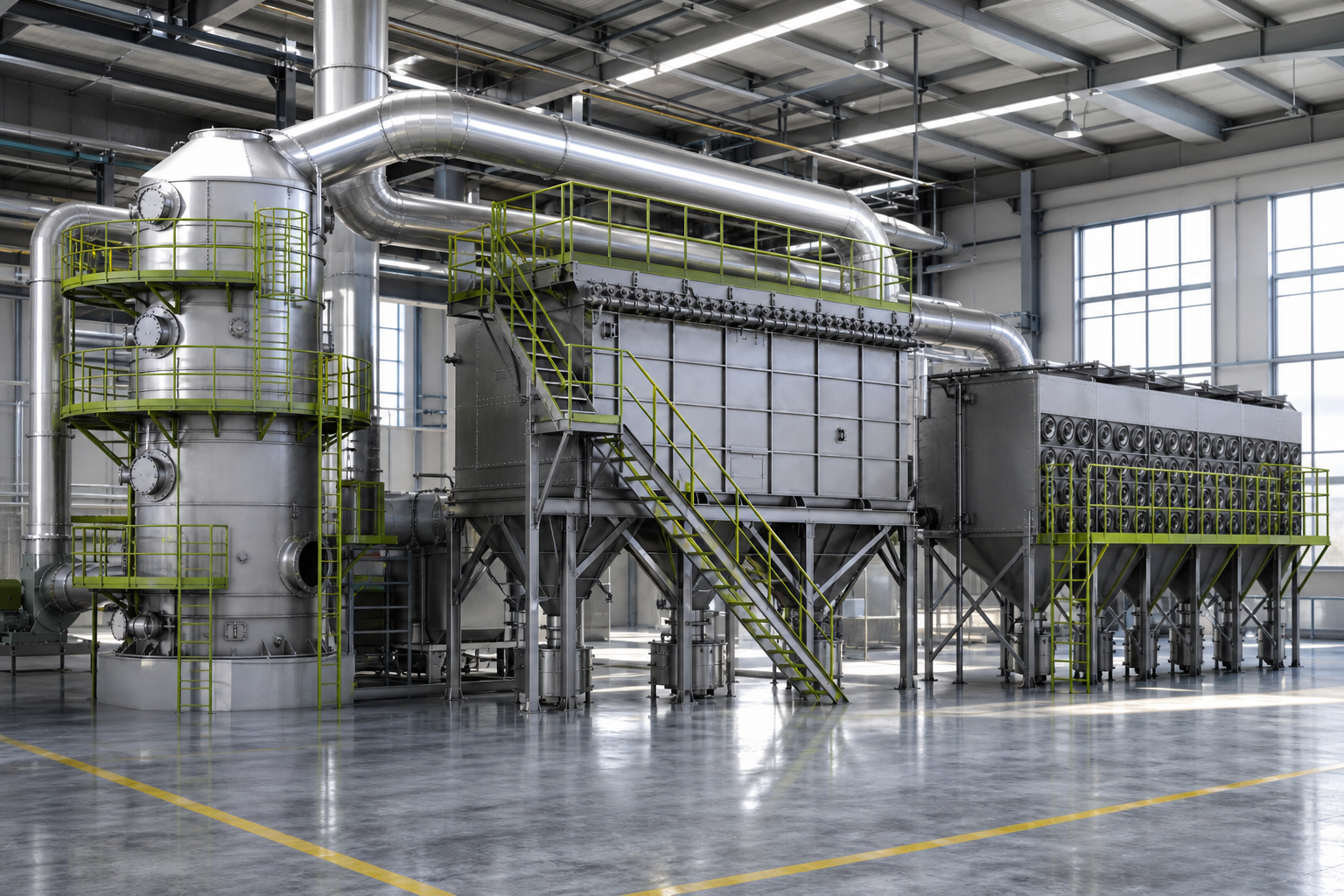
Foundry and metallurgy dust
Review airflow, pollutant properties and site conditions before final equipment selection.
Application
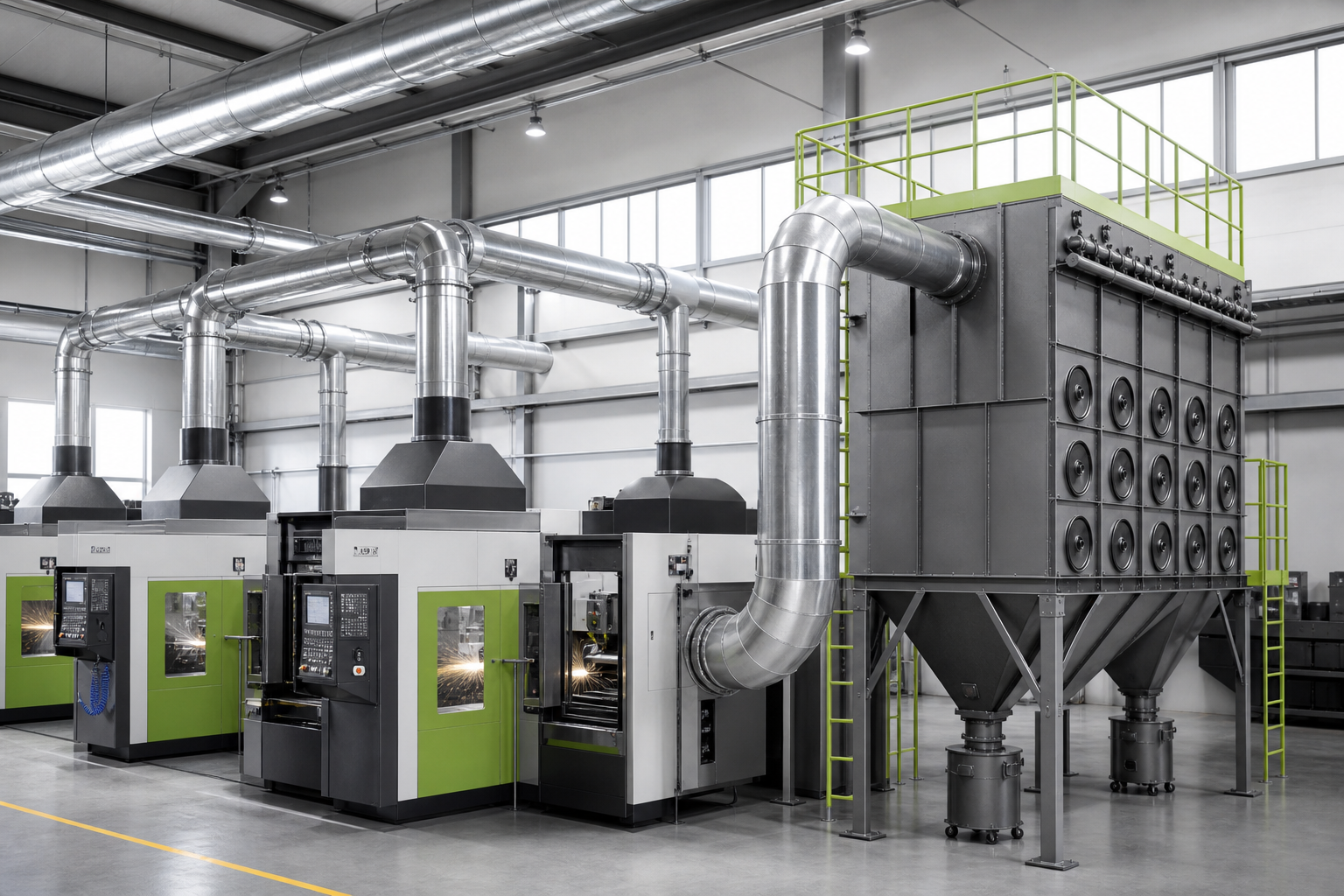
Cement and building materials dust
Review airflow, pollutant properties and site conditions before final equipment selection.
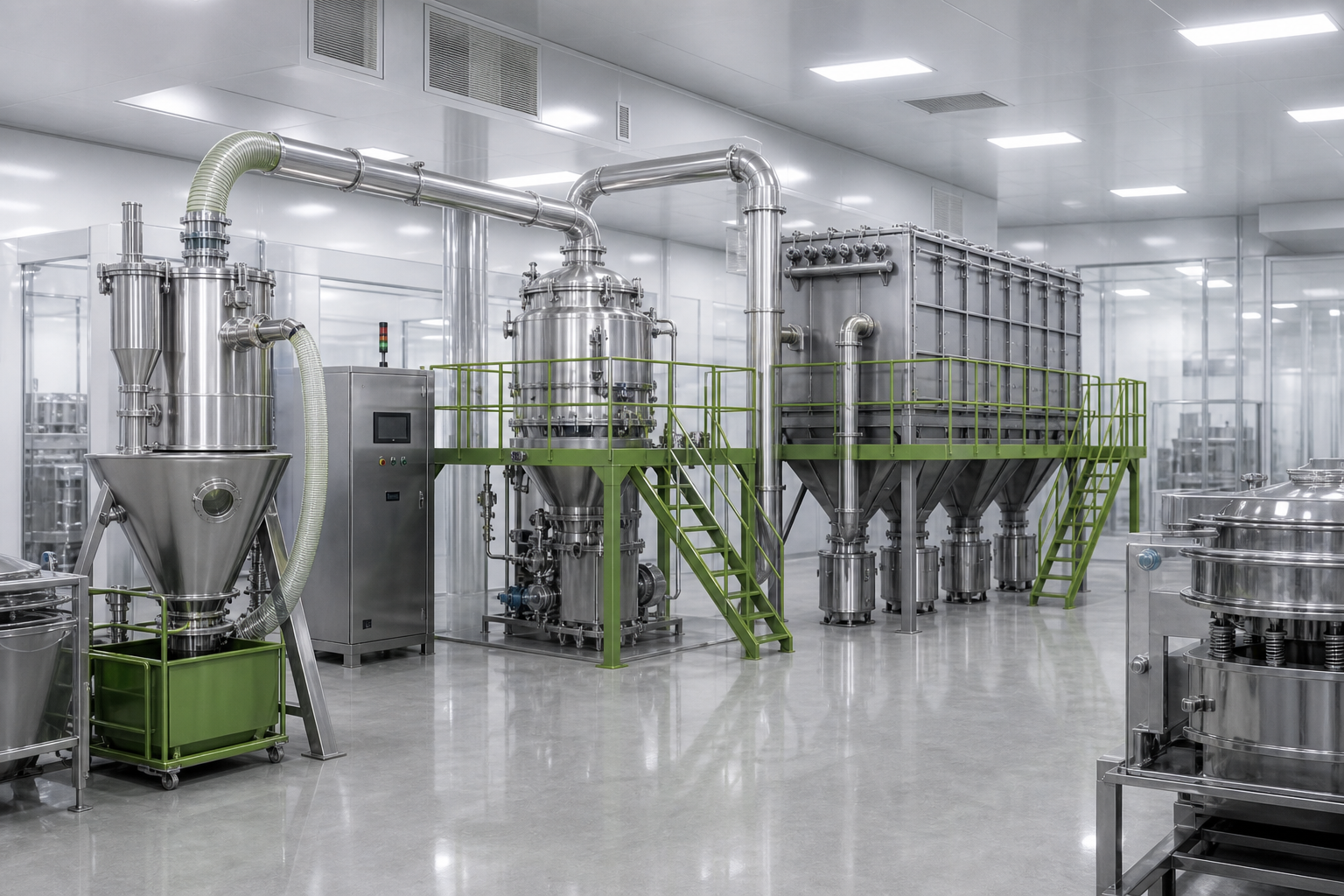
Application
Chemical processing dust
Review airflow, pollutant properties and site conditions before final equipment selection.
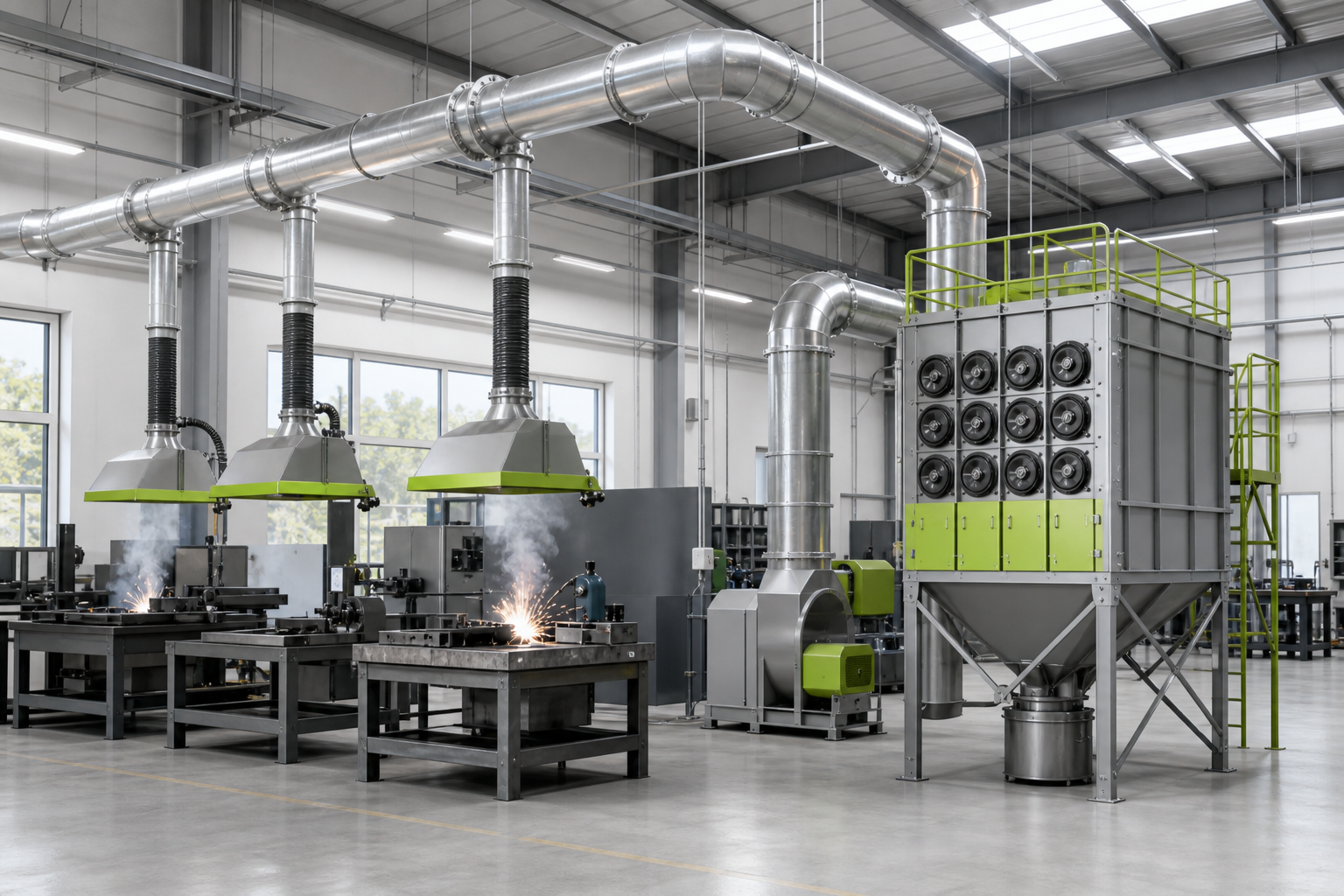
Application
Mixing and heavy manufacturing dust
Review airflow, pollutant properties and site conditions before final equipment selection.
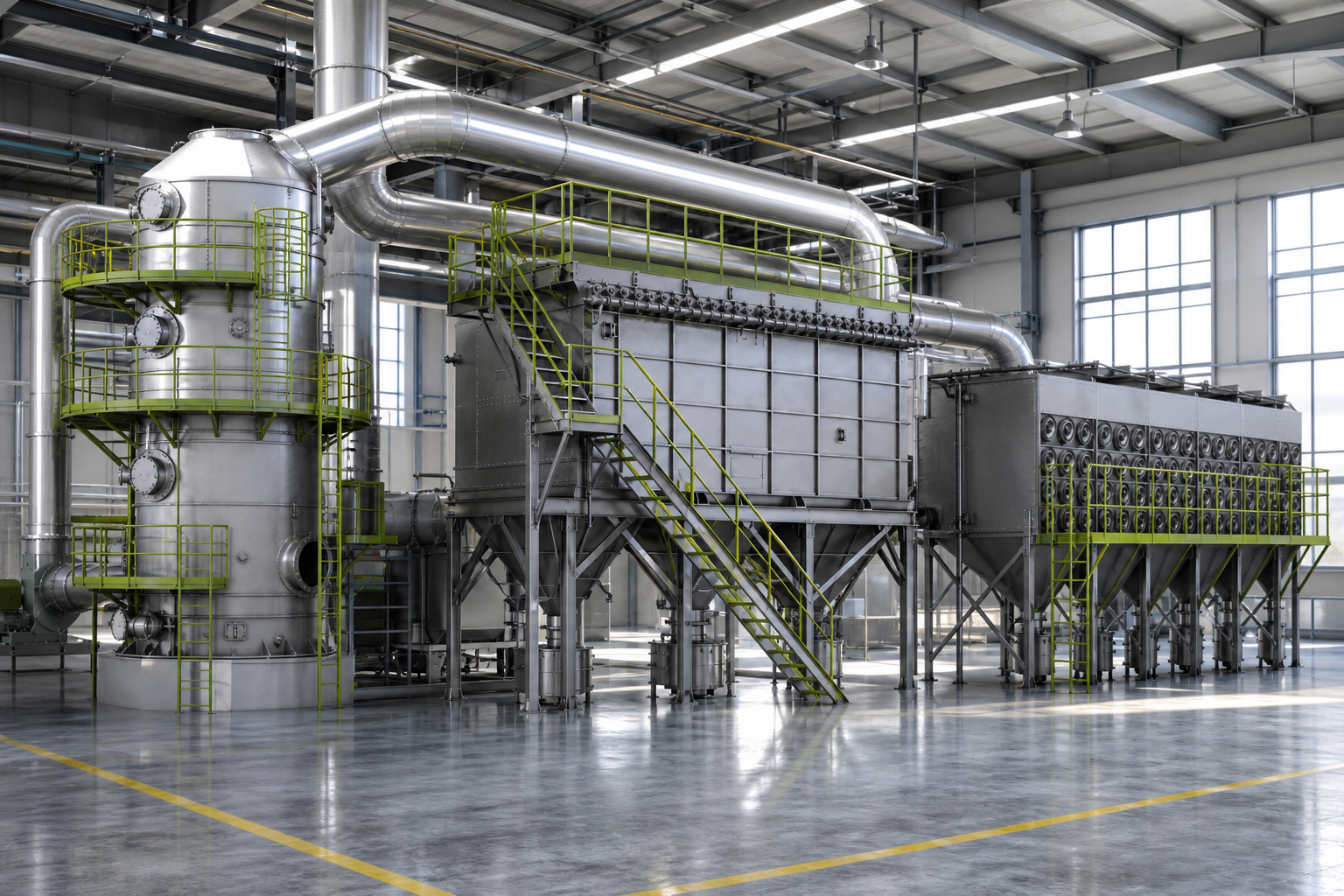
Application
Industrial powder handling
Review airflow, pollutant properties and site conditions before final equipment selection.
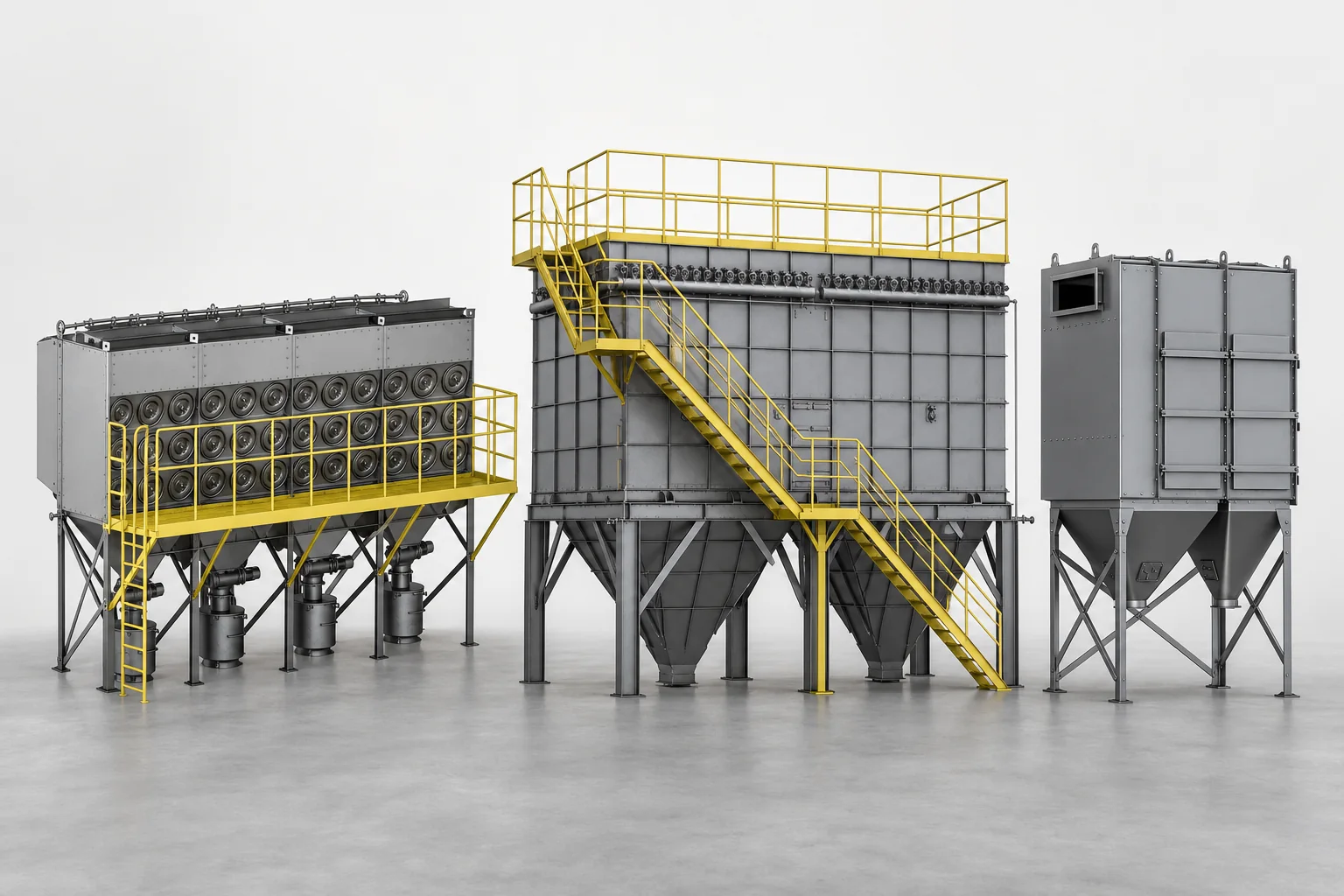
How to Choose
Selection notes before requesting a quote
- Choose a baghouse dust collector for larger dust loads, higher dust concentration and continuous operation.
- Select the filter bag type and material according to dust properties, temperature and humidity.
- Use the compartment design when filter bags need to be replaced without stopping the system.
- Compare with a cartridge dust collector for compact layouts and fine dust sources.
Related Products
View CategoryCompare related AIER equipment
Product Inquiry
What Information Should You Send for a Quote?
For a more accurate recommendation, please include your process, pollutant type, airflow, concentration, temperature, target emission requirement and destination country in the message.


Send Us a Message
FAQ
Frequently Asked Questions
Short answers for product-level selection. For exact model sizing, send your operating data to AIER.
What is a baghouse dust collector used for?
A baghouse dust collector is used for larger industrial dust loads with high dust concentration, large airflow and continuous operation. It is widely applied in foundry, metallurgy, cement, building materials, chemical, food and heavy manufacturing dust control.
Which filter bag types can be used in the system?
Round bags, flat bags and pleated bags can be selected based on operating conditions, combined with pulse-jet, reverse-air or hybrid cleaning systems. The bag material is confirmed according to dust properties, temperature and humidity.
Can filter bags be replaced without stopping the system?
Yes. The compartments are relatively independent, so filter bags can be replaced without stopping the whole system, which supports continuous production.
What information is needed for a baghouse dust collector quote?
Please provide the dust source, dust type, airflow, dust concentration, temperature, humidity, workshop layout, emission target and installation country. AIER will review the model, filtration area and filter bag quantity based on your data.