Super dust removal, effectively remove dust above 0.1 micron, emission concentration < 5mg/m³.
Industrial Dust Collection
Sintered Plate Dust Collector - High-Efficiency Fine Dust Filter
A sintered plate dust collector is a surface filtration system for fine dust and difficult industrial dust conditions.
It is often reviewed for fine powder, sticky dust tendency, high filtration efficiency requirements and long service life expectations.
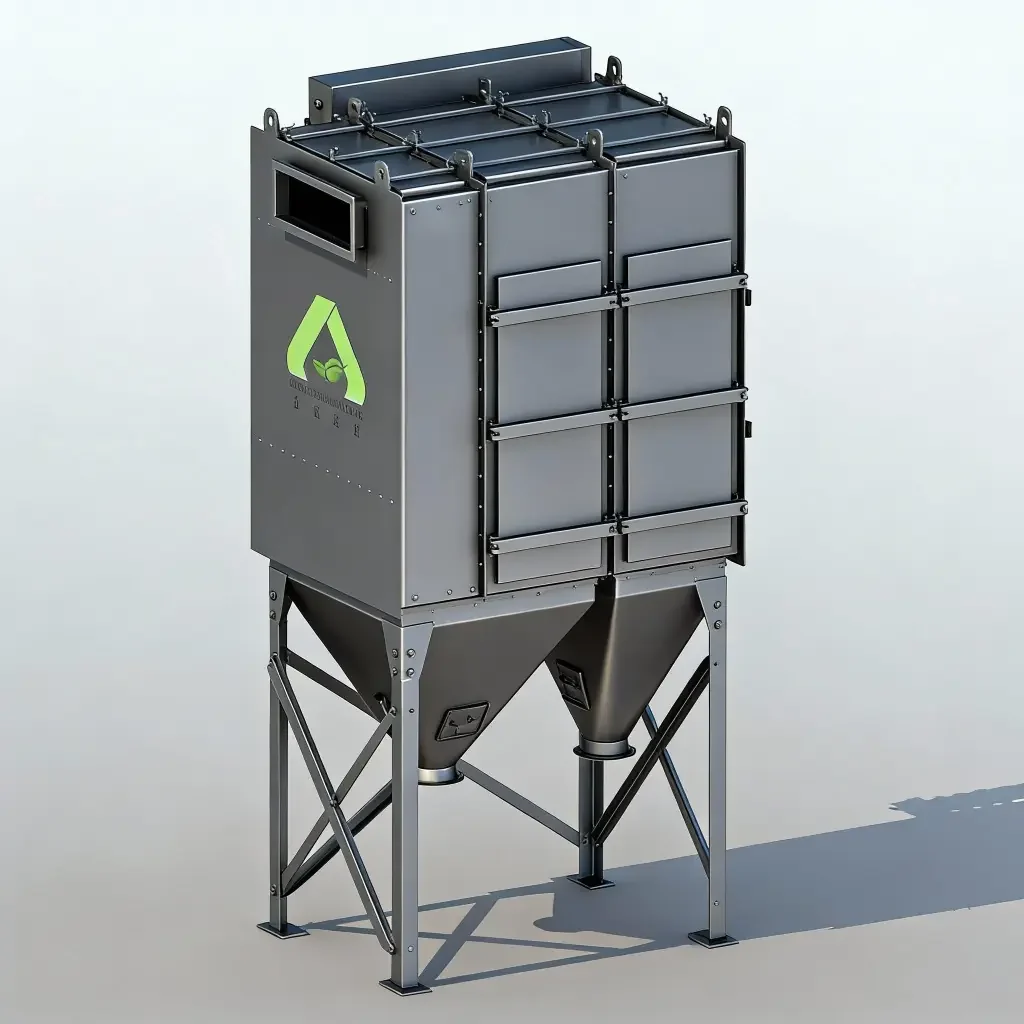
Product Description
High-efficiency surface filtration for fine industrial dust
sintered plate dust collector information, applications and selection notes for industrial emission control projects.
AIER Environmental Sintered Plate Dust Collector uses sintered metal plates as the core filtration elements and is specifically designed for high-temperature, high-dust-load, abrasive, and demanding industrial environments. It serves as a premium alternative to conventional baghouse and cartridge dust collectors. Developed through technological cooperation between AIER and Japan Nippon Iron Mining, it is also known as a sintered plate filter.
The sintered plates are manufactured through high-temperature sintering of metal powders, offering high mechanical strength, uniform pore structure, excellent heat resistance, corrosion resistance, and strong impact resistance. Even under continuous operation with high dust concentration and elevated temperatures, the system maintains stable filtration efficiency and an extended service life.
Combined with pulse-jet or reverse-air cleaning systems, the dust collector achieves effective and controlled cleaning without damaging the filter elements, significantly reducing maintenance frequency and operating costs. Compared with traditional filter media, sintered plates are highly resistant to aging and mechanical failure, making them ideal for critical process sections requiring maximum reliability.
AIER Environmental provides customized solutions including high-temperature resistance, corrosion protection, explosion-proof designs, and enhanced safety configurations, widely applied in chemical processing, metallurgy, lithium material production, powder handling, waste incineration, and other high-end industrial sectors.
- Send dust source, airflow, dust loading and temperature before equipment selection.
- Review dust properties carefully when the dust is sticky, oily, wet or high-temperature.
- Confirm installation space, hopper discharge and maintenance access before final sizing.
Treatment direction Industrial dust collection
Core process Pulse jet filtration
Review data Dust source, airflow, dust loading and temperature
How It Works
How sintered plate surface filtration works
Dust is captured on the surface of the sintered plate media instead of deeply penetrating the filter. Pulse cleaning removes the dust layer and helps maintain filtration performance.
Pollution source review Equipment configuration Emission target check
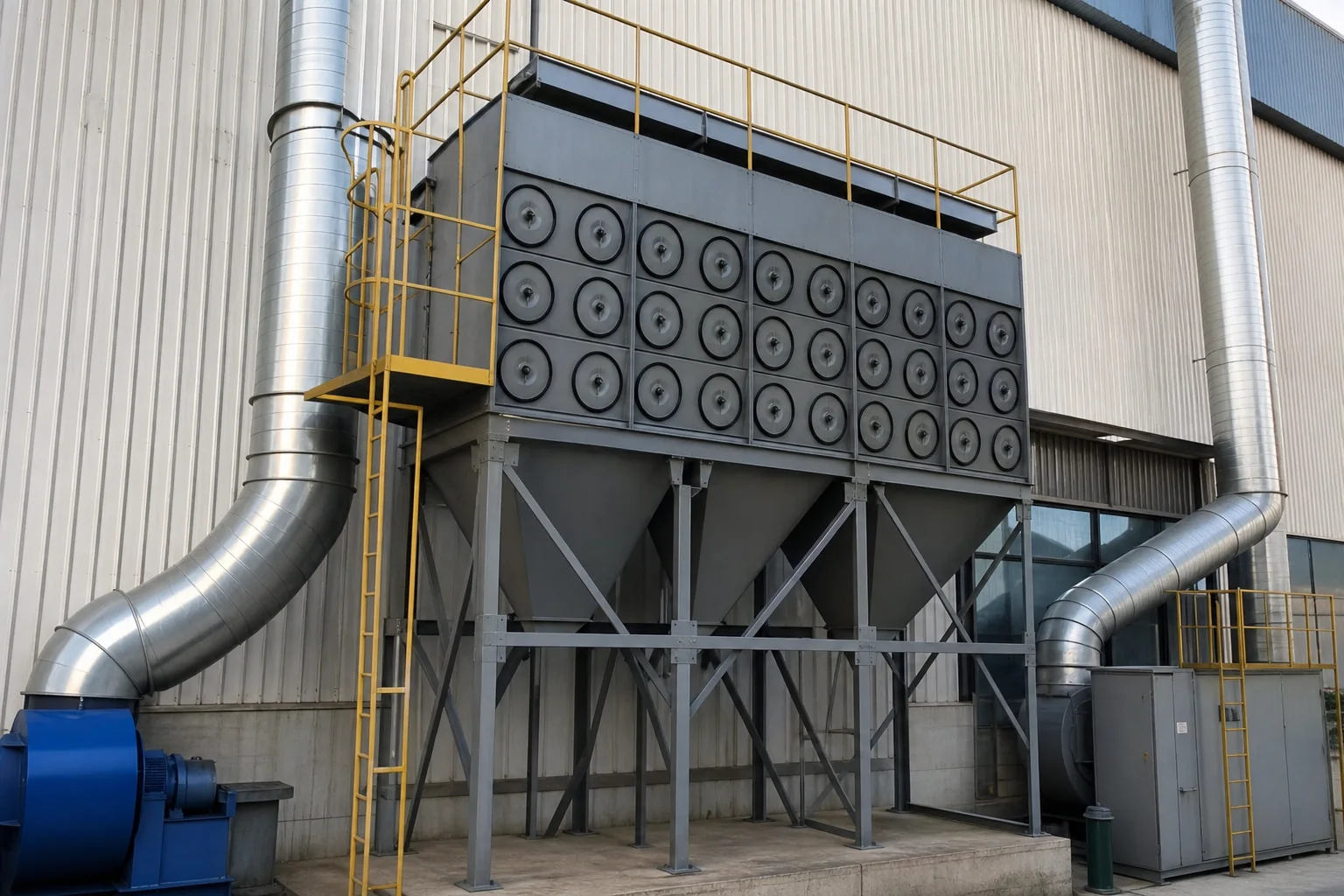
Key Features
Product features and configuration advantages
These points describe the product-level configuration direction. Final design should still be reviewed against site data.
Long service life,service life is longer than 10 years because of high wear resistance filter material.
It can be used in special working condition such as the dust contains 5% oil or 10% water , or acid and alkali particles.
Technical Data / Specification
Reference data for sintered plate dust collector selection
Actual parameters are configured according to airflow, concentration, temperature, installation space and target emission requirement.
| Model | Filtration Area(m²) | Air Flow(m³/h) | Sintered Plate Quantity | Compressed Air Consumption(Nm³/h) | Weight (KG) |
|---|---|---|---|---|---|
| AR-SP-90 | 90 | 5000 | 10 | 0.45 | 1600 |
| AR-SP-180 | 180 | 10000 | 20 | 0.45 | 2250 |
| AR-SP-270 | 270 | 15000 | 30 | 0.45 | 2900 |
| AR-SP-360 | 360 | 20000 | 40 | 0.6 | 3350 |
| AR-SP-450 | 450 | 25000 | 50 | 0.6 | 4200 |
| AR-SP-540 | 540 | 30000 | 60 | 0.6 | 4850 |
| AR-SP-630 | 630 | 35000 | 70 | 0.6 | 5600 |
Applications
Where this equipment is typically used
The exact model should be selected after AIER reviews pollutant properties, airflow and operating conditions.
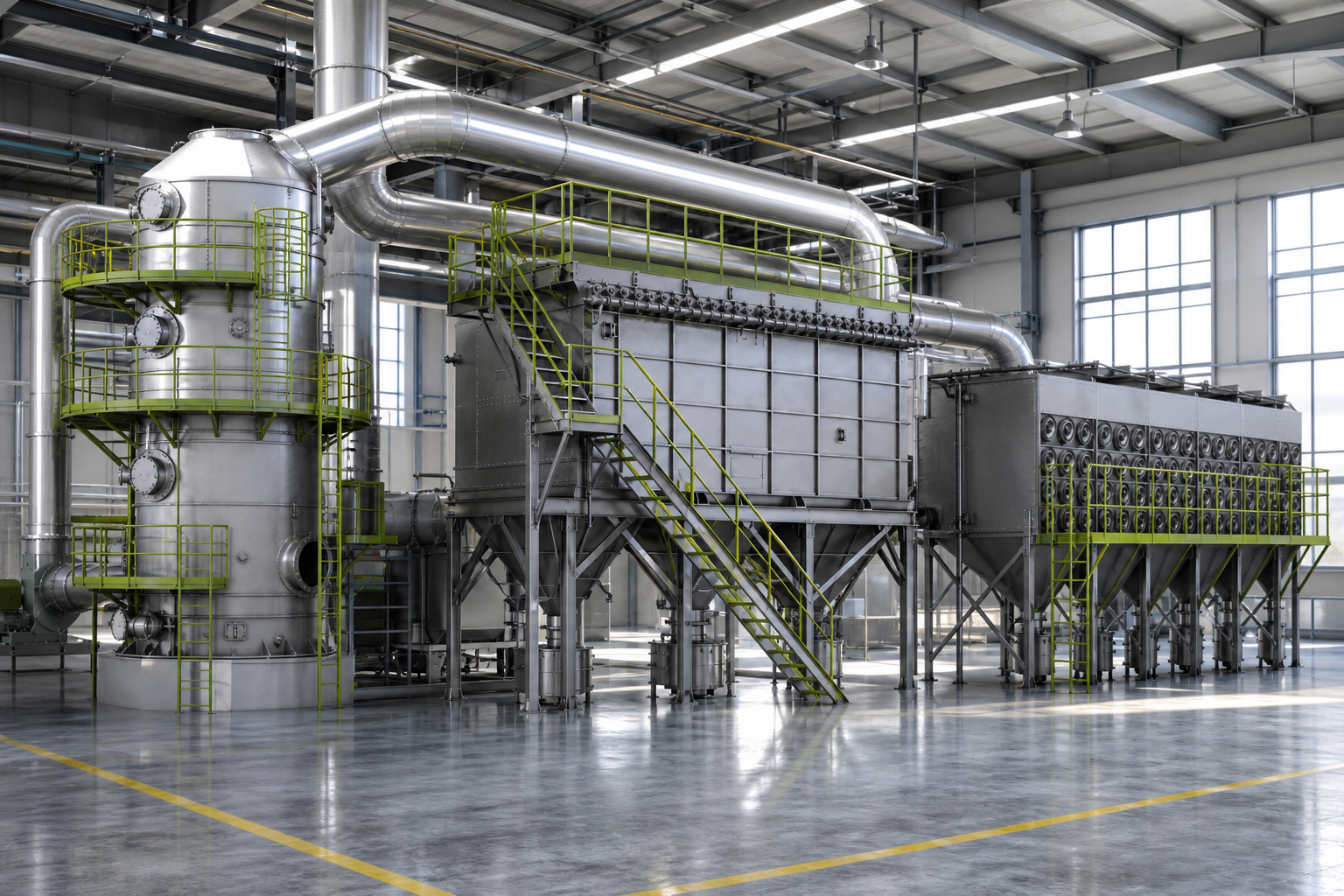
Application
Industrial powder handling
Review airflow, pollutant properties and site conditions before final equipment selection.
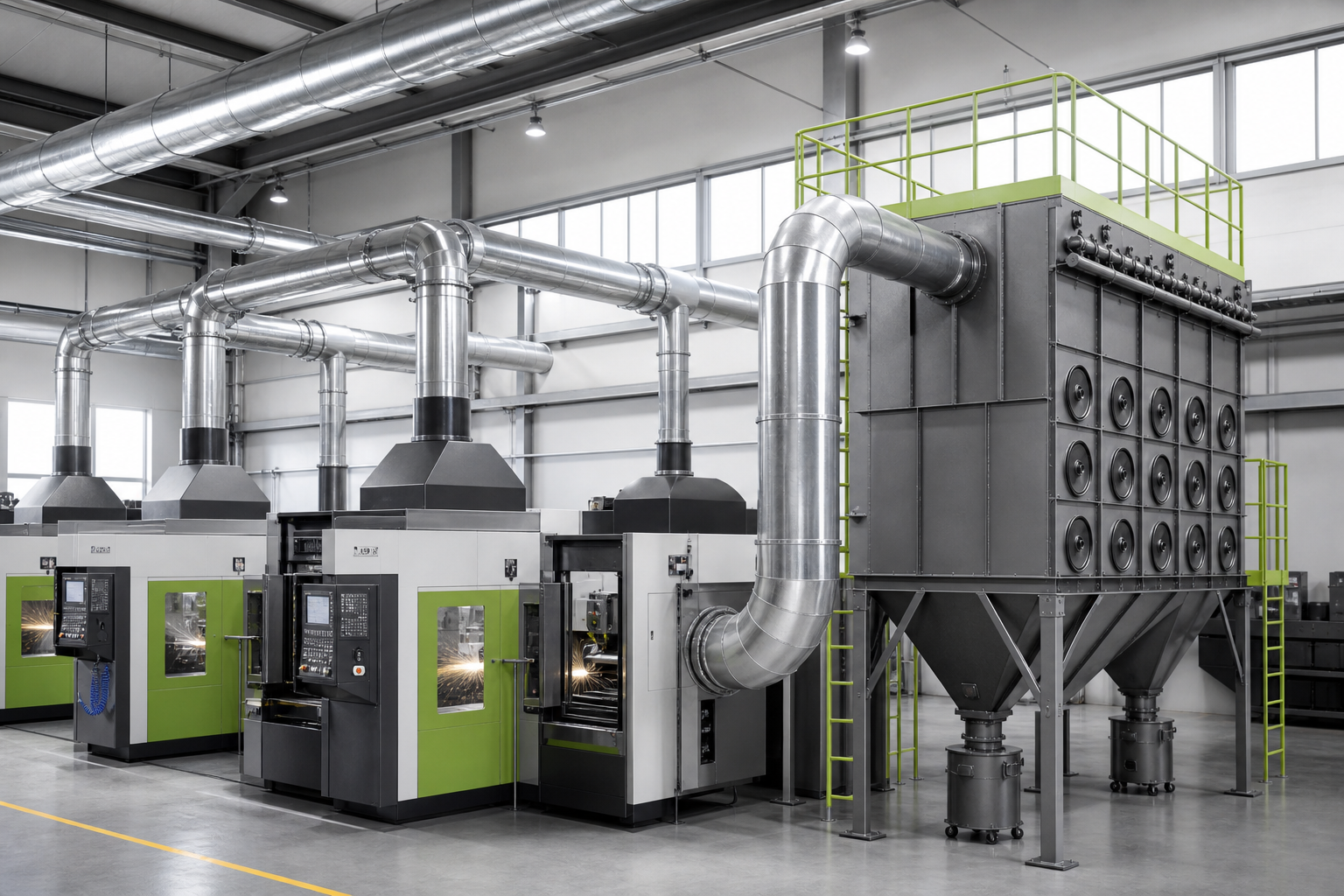
Application
Metalworking dust
Review airflow, pollutant properties and site conditions before final equipment selection.
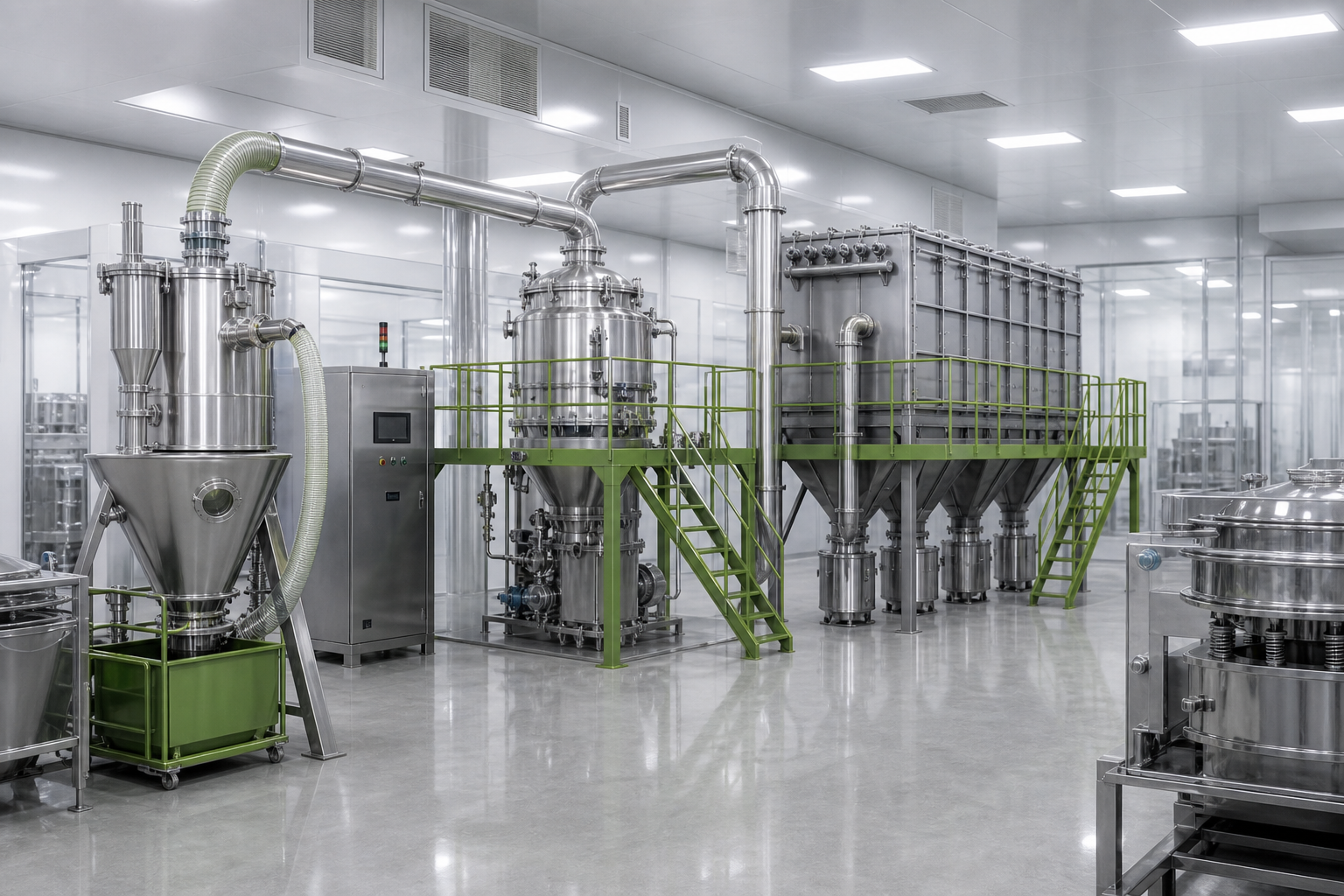
Application
Pharmaceutical powder handling
Review airflow, pollutant properties and site conditions before final equipment selection.
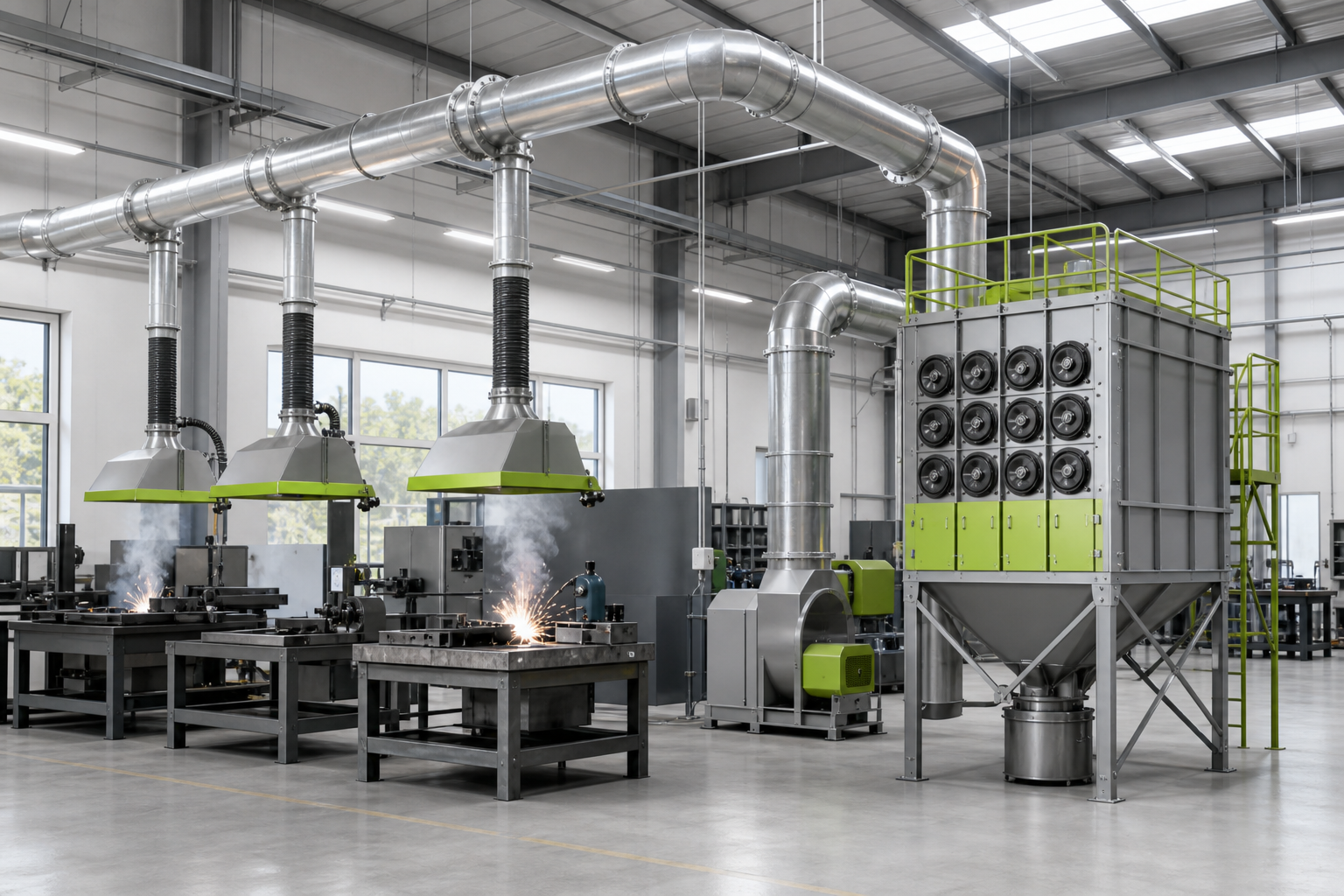
Application
Workshop dust extraction
Review airflow, pollutant properties and site conditions before final equipment selection.
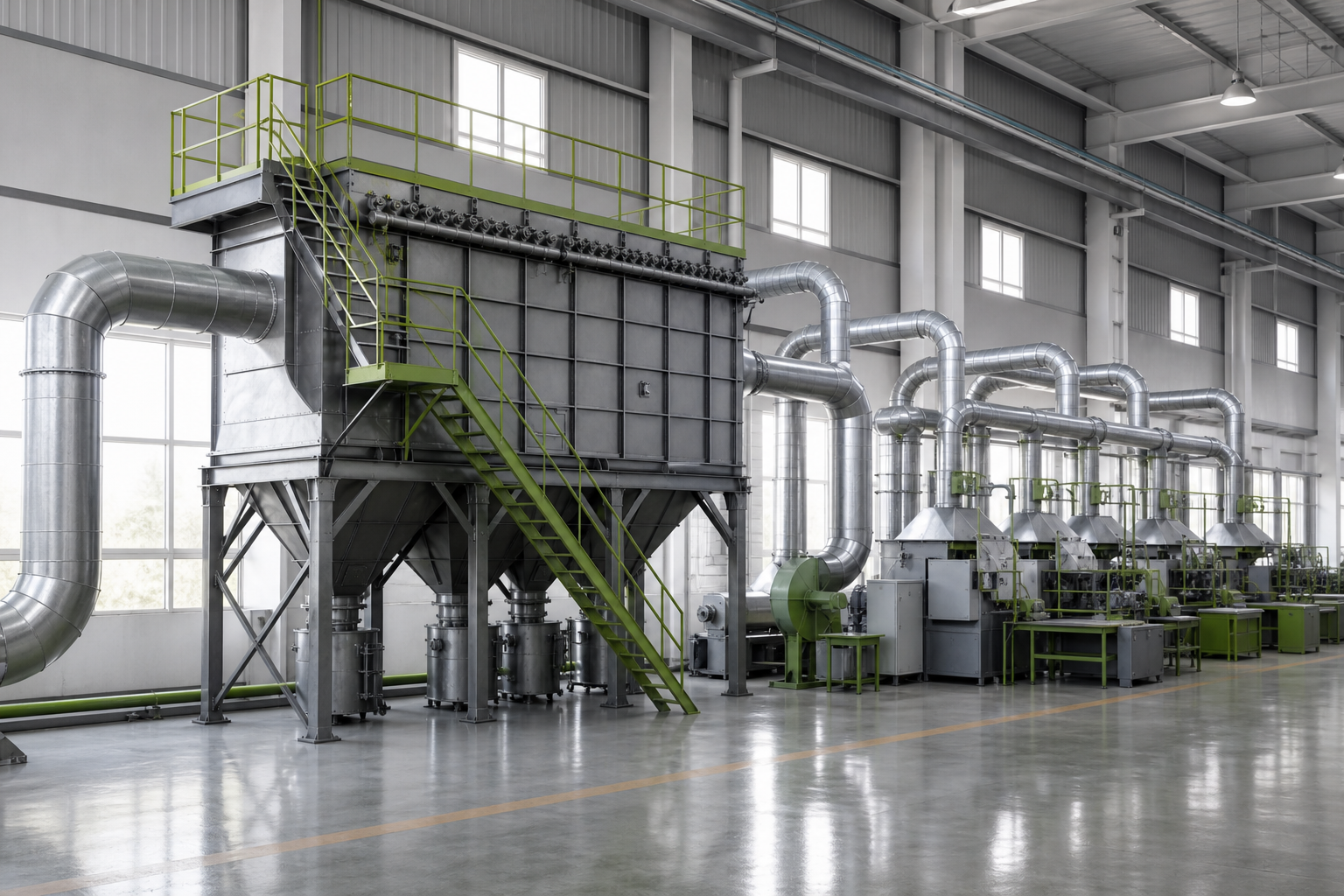
Application
General manufacturing dust control
Review airflow, pollutant properties and site conditions before final equipment selection.
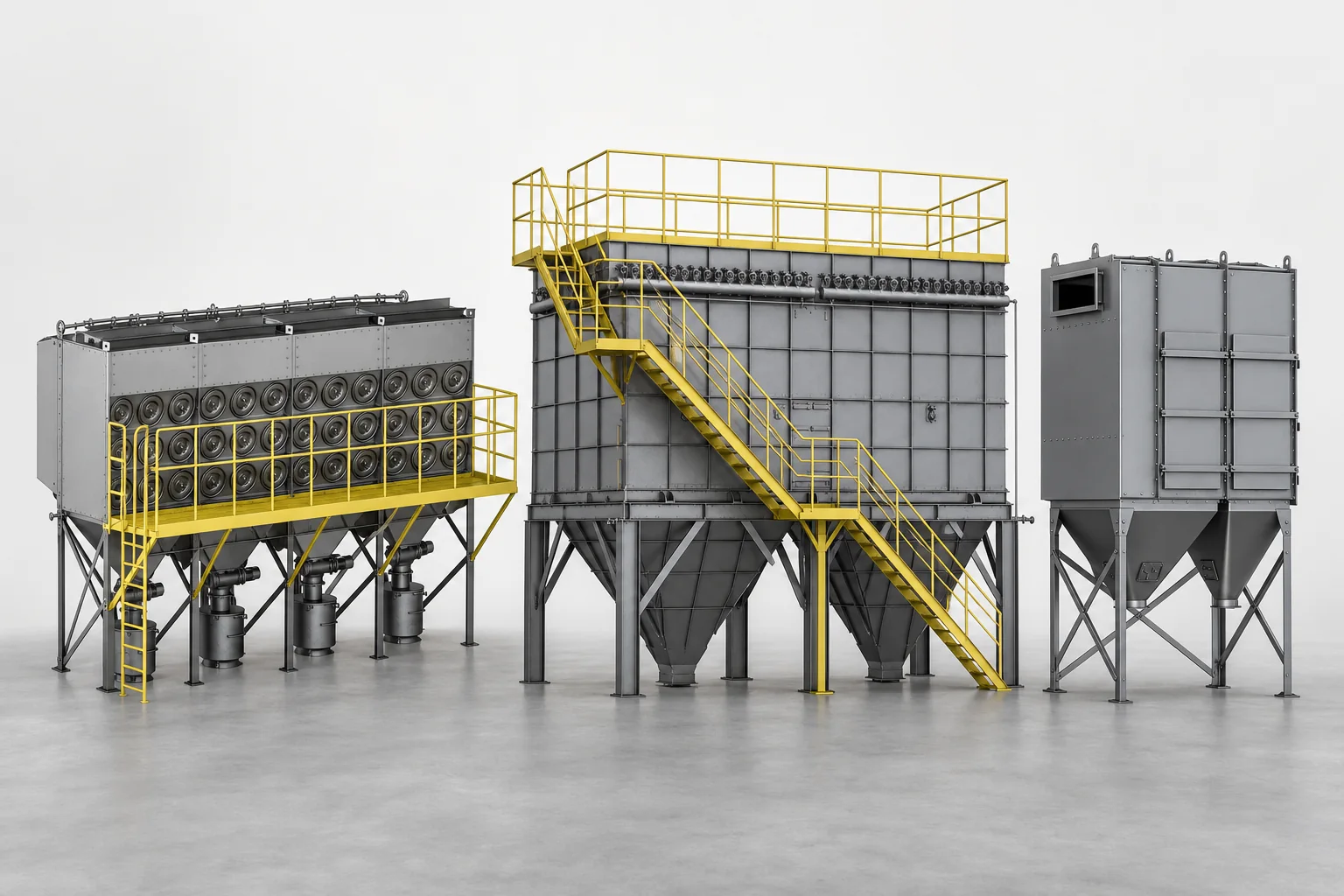
How to Choose
Selection notes before requesting a quote
- Consider a sintered plate dust collector for fine dust above 0.1 micron with emission requirements below 5 mg/m³.
- Choose sintered plates when the dust contains up to 5% oil or 10% water, or acid and alkali particles.
- Review it for high-difficulty dust sections in rubber, metallurgy, chemical and non-ferrous metal smelting plants.
- Compare lifetime cost, not only purchase price: sintered plates offer a service life of more than 10 years with nearly zero maintenance.
Related Products
View CategoryCompare related AIER equipment
Product Inquiry
What Information Should You Send for a Quote?
For a more accurate recommendation, please include your process, pollutant type, airflow, concentration, temperature, target emission requirement and destination country in the message.


Send Us a Message
FAQ
Frequently Asked Questions
Short answers for product-level selection. For exact model sizing, send your operating data to AIER.
What is the difference between a sintered plate dust collector and a baghouse?
A sintered plate dust collector uses rigid sintered plates and surface filtration instead of fabric filter bags. The plates offer a service life of more than 10 years with nearly zero maintenance, so it is often selected as a premium alternative for fine or difficult dust.
Can a sintered plate dust collector handle oily or wet dust?
Yes. It can be used in special working conditions where the dust contains up to 5% oil or 10% water, and it is also resistant to acid and alkali particles.
What emission level can a sintered plate dust collector achieve?
It effectively removes dust above 0.1 micron and achieves an emission concentration below 5 mg/m³, which suits strict emission requirements and high-difficulty dust sections.
What information is needed for a sintered plate dust collector quote?
Please provide the dust source, dust type, oil and moisture content, airflow, dust concentration, temperature, emission target and installation country. AIER will review the model, filtration area and sintered plate quantity based on your data.