In South Korea’s lithium battery industry, perfection is not a slogan — it is a requirement. From raw material handling to final battery performance, every detail must meet uncompromising standards, and lithium battery dust control is one of those details.
Project at a glance:
- Market: South Korea, lithium battery manufacturing
- Materials: battery powders such as iron phosphate (FePO4) and lithium carbonate (Li2CO3)
- Core review point: metal contamination (Fe, Cr, Ni ion leaching) alongside airflow and filtration
- Key engineering: 0.3mm ETFE internal coating + electropolished external surfaces
- Delivered as: a purity protection system, not just a dust collection system
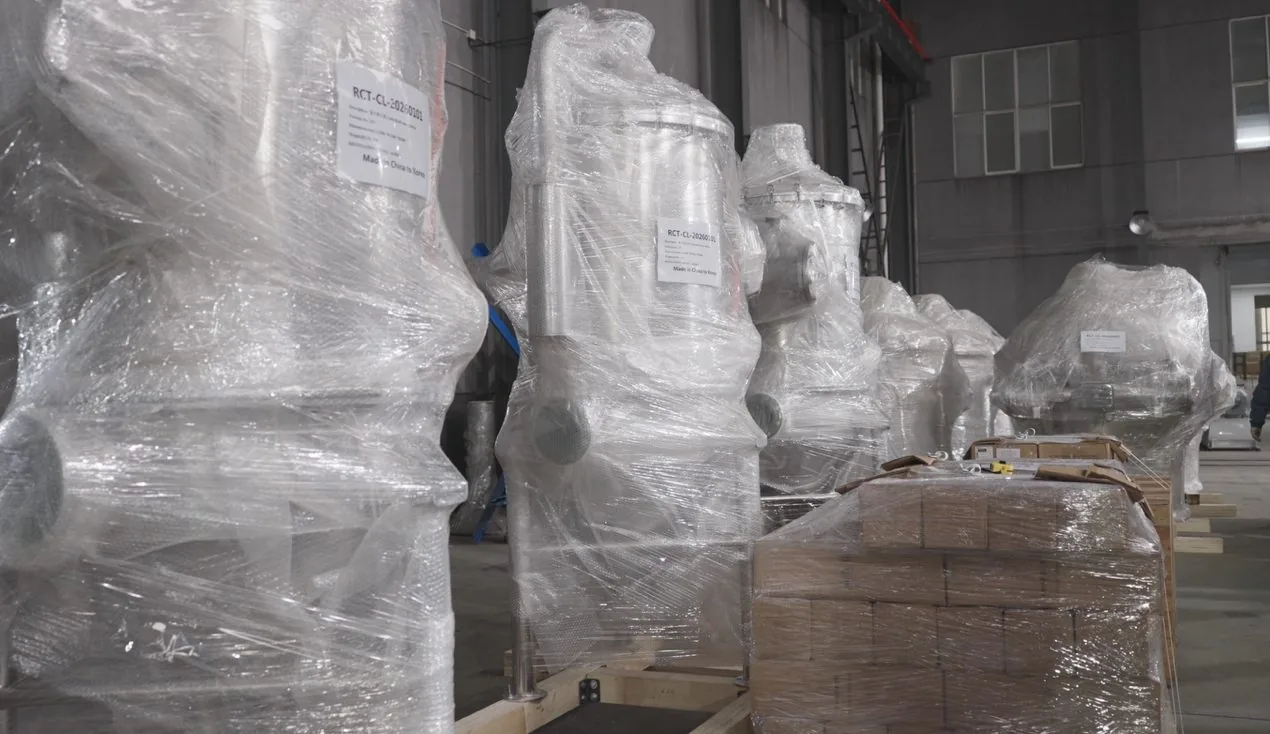
The Conventional Focus: Airflow and Filtration
Most lithium battery powder projects — iron phosphate (FePO4), lithium carbonate (Li2CO3) and similar materials — are specified around two parameters: airflow performance and filtration efficiency. Both matter, and both are reviewed in any serious dust collection design. But for battery-grade powder, they are not enough on their own.
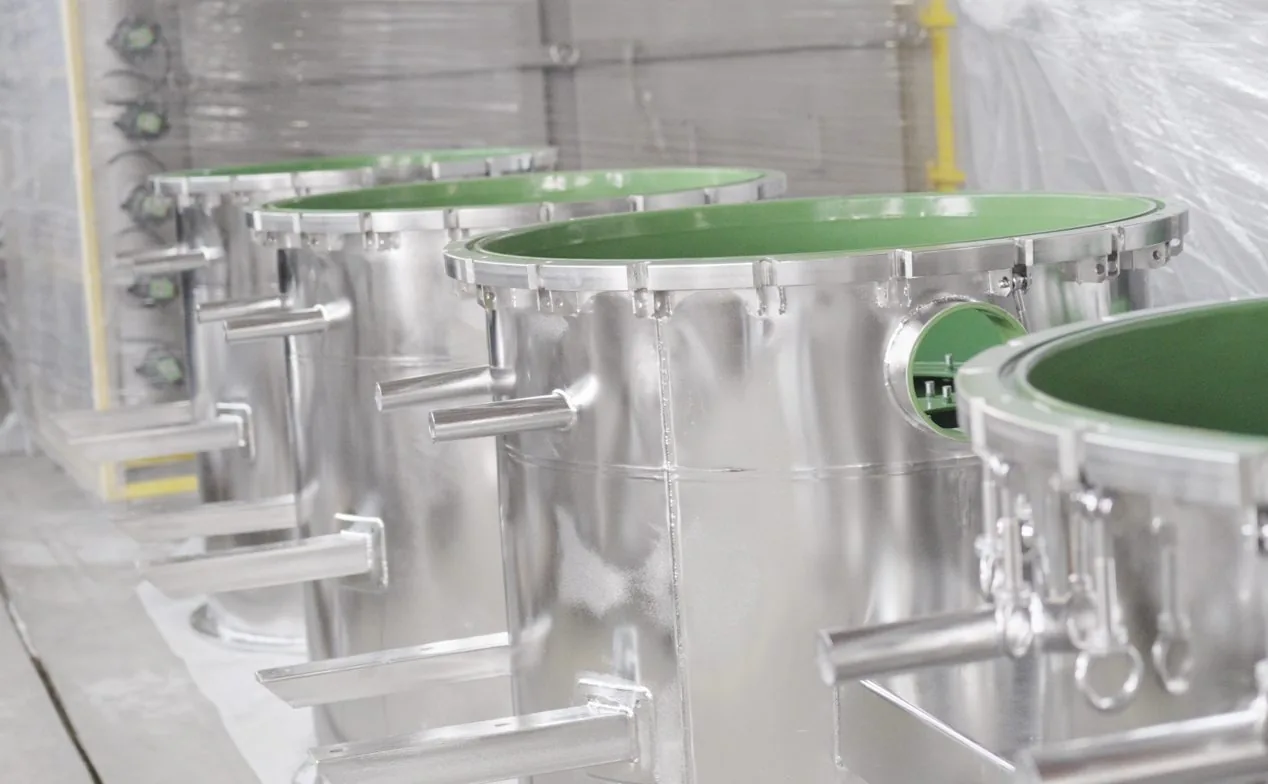
The Hidden Risk: Metal Contamination
Beyond airflow and filtration lies the issue that battery engineers actually lose sleep over: metal contamination. During conveying, drying and milling, friction and corrosion can cause iron, chromium and nickel ions to leach from stainless steel equipment surfaces into the powder itself.
For battery materials, that contamination path leads directly to reduced electrochemical performance, material instability and, in the worst case, battery failure in the field. The dust collection system touches the product on every cycle — which makes lithium battery dust control part of the contamination control strategy, not just the air quality strategy.
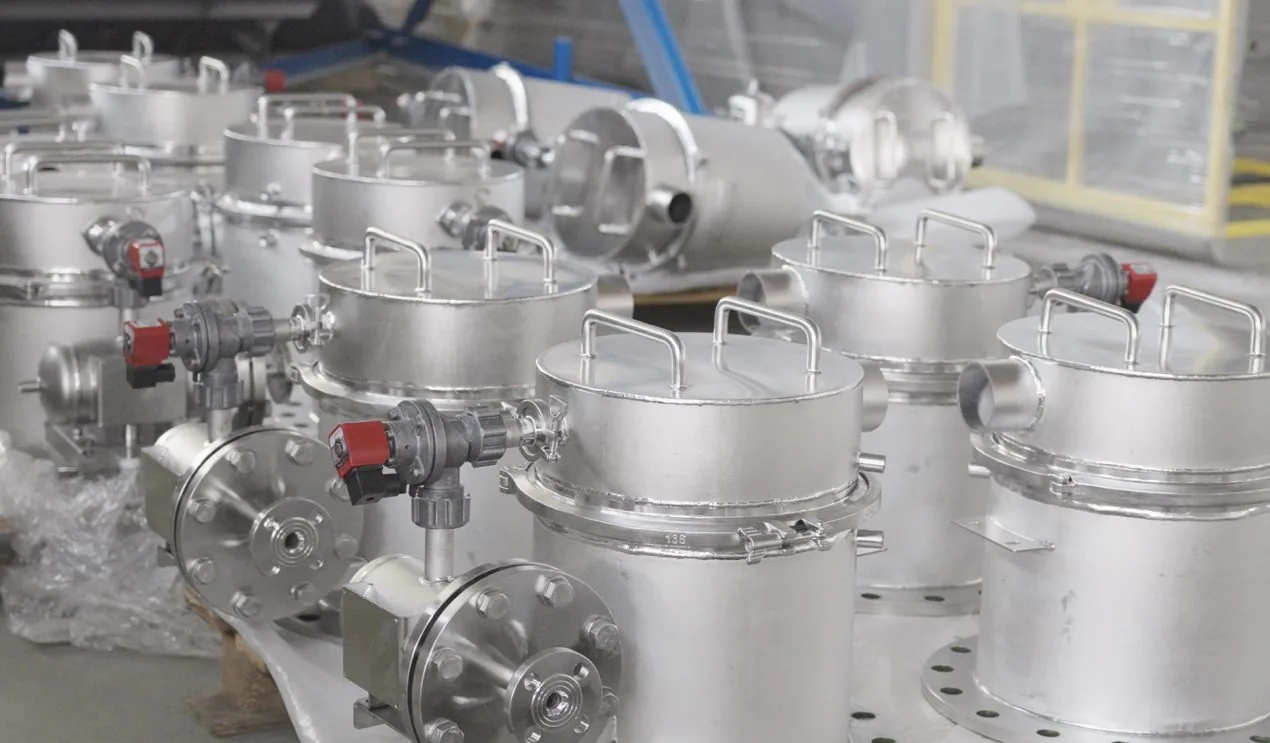
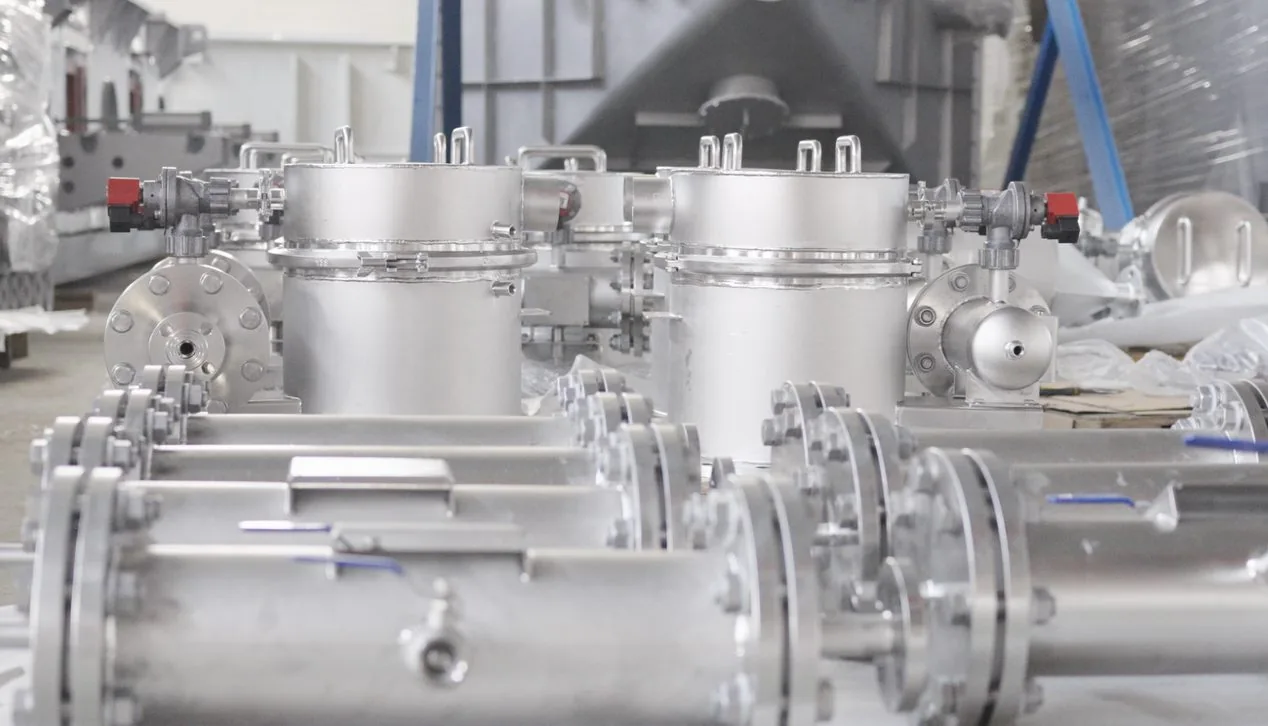
A Purity Protection System, Not Just a Dust Collector
At AIER Environmental Protection, we believe true system performance is defined by the engineering details that do not show up on a datasheet. For this South Korea project, we did not just deliver a dust collection system — we engineered a purity protection system, where equipment surfaces, media selection and the handling path of the collected powder were all reviewed for material contact. It is the same review logic our team applies across lithium battery and lithium mining industry projects.
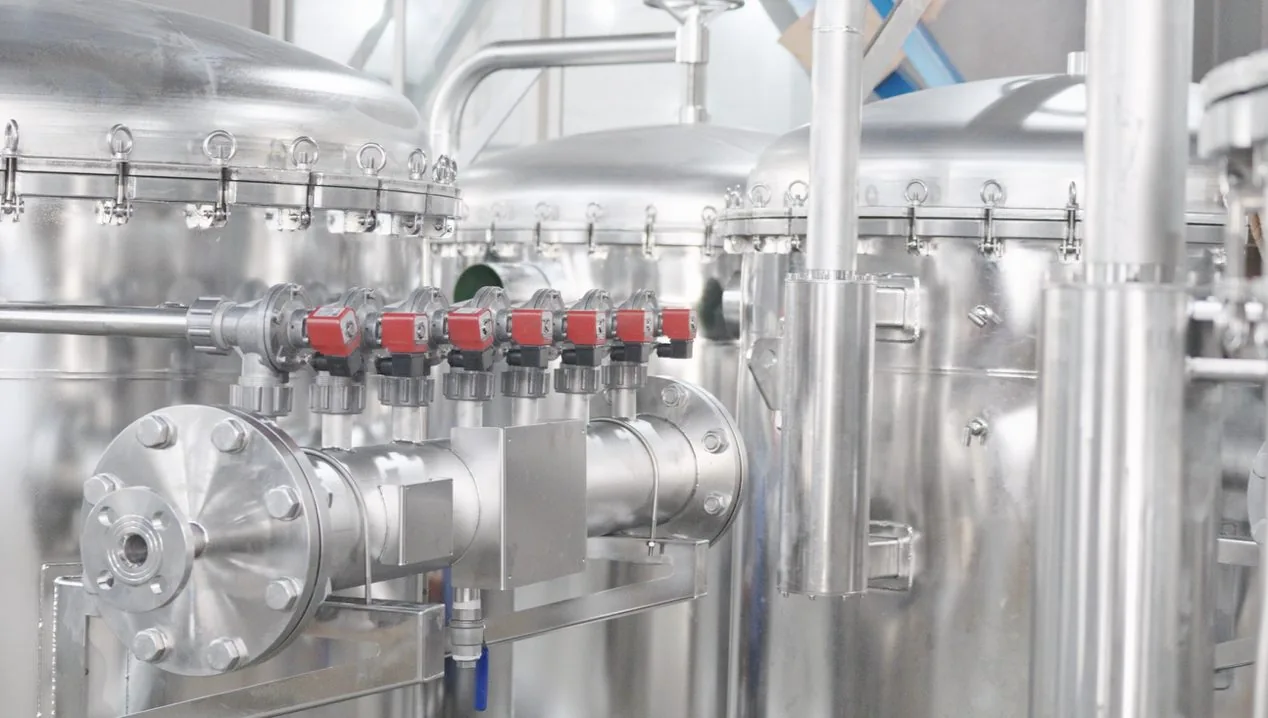
Core Engineering Design
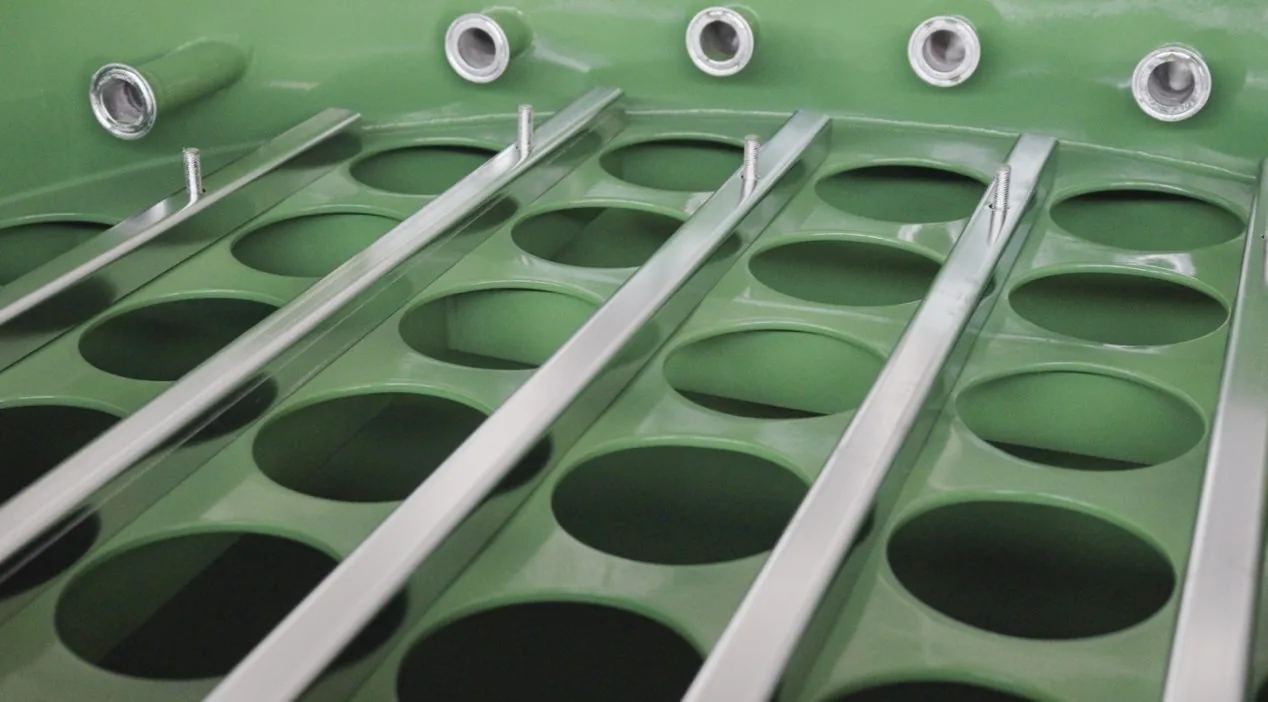
Internal Protection: 0.3mm ETFE Coating
Every internal surface the powder touches carries a 0.3mm ETFE coating, engineered around three zeros:
- Zero adhesion: the low-friction surface keeps powder flowing instead of building up
- Zero peeling: strong substrate bonding for long-term durability under continuous duty
- Zero leaching: the coating separates the powder from the stainless steel, cutting off Fe, Cr and Ni contamination at the source
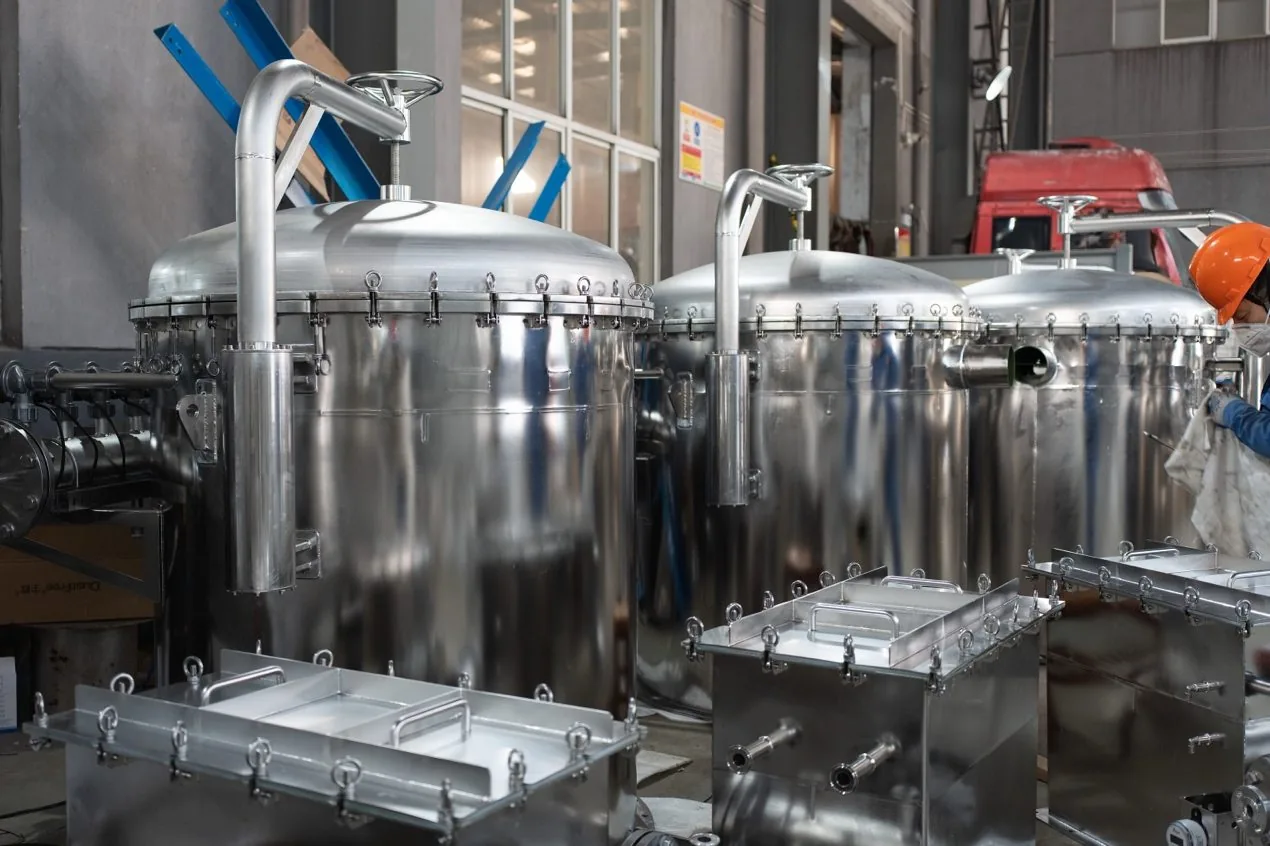
External Treatment: Electropolishing
The external surfaces are electropolished to a mirror-level finish. Reduced surface roughness prevents dust accumulation on the equipment itself, keeps cleaning practical, and meets the cleanroom-adjacent standards battery plants hold their installed equipment to.
Why These Details Matter
In high-end lithium battery manufacturing, small deviations lead to major consequences. What differentiates premium systems is not only the performance data on the acceptance test — it is the engineering decisions behind them: which surfaces touch the product, how they are treated, and what happens to the powder after capture. On the equipment side, fine battery powder duty typically points to cartridge dust collector platforms, with sintered plate dust collector designs reviewed where powder value and recovery justify them — and the purity engineering travels with whichever platform the duty selects.
Working With Korean Battery Manufacturers
South Korea’s battery supply chain expects suppliers to engineer for the standard, not negotiate it down. AIER serves that expectation with customized design based on declared operating conditions, strict internal quality control and inspection before shipment, and honest boundaries about what each equipment platform can and cannot do. At AIER, we do not just control emissions — we protect material purity and the energy performance it enables.
If your lithium battery project involves powder handling, lithium battery dust control or NMP exhaust treatment, contact AIER with the material type, process stage and operating conditions — the review starts from the product you are protecting.