Process source
Coating, painting, chemical reaction, powder handling, welding, mixing or material transfer have different emission conditions.
Tell us your process, pollutant type, airflow and target emission requirement. AIER will help evaluate a suitable dust collection or VOC treatment solution for your plant.
Industrial dust collectors, RTO systems, scrubbers, activated carbon adsorption, engineering and manufacturing support.
To receive a more accurate recommendation, please include your process, pollutant type, airflow, VOC concentration or dust loading, target emission requirement and destination country in the message. You can also send photos, videos or existing equipment information by email or WhatsApp after submitting the form.
A practical air pollution control quote depends on your real process conditions. The more clearly you describe your exhaust source and emission target, the more accurately AIER can recommend the equipment type, system size and project direction.
Coating, painting, chemical reaction, powder handling, welding, mixing or material transfer have different emission conditions.
Dust, VOCs, odor, acid gas, alkaline gas, oil mist or mixed exhaust require different treatment routes.
Determines equipment size, duct design and system capacity.
Helps choose RTO, scrubber, activated carbon adsorption or dust collector configuration.
Affects material selection, corrosion protection and filtration performance.
Determines system efficiency and compliance direction.
Helps evaluate installation and maintenance access.
Supports shipment, standards and project communication.
Help AIER understand real site conditions and existing equipment.
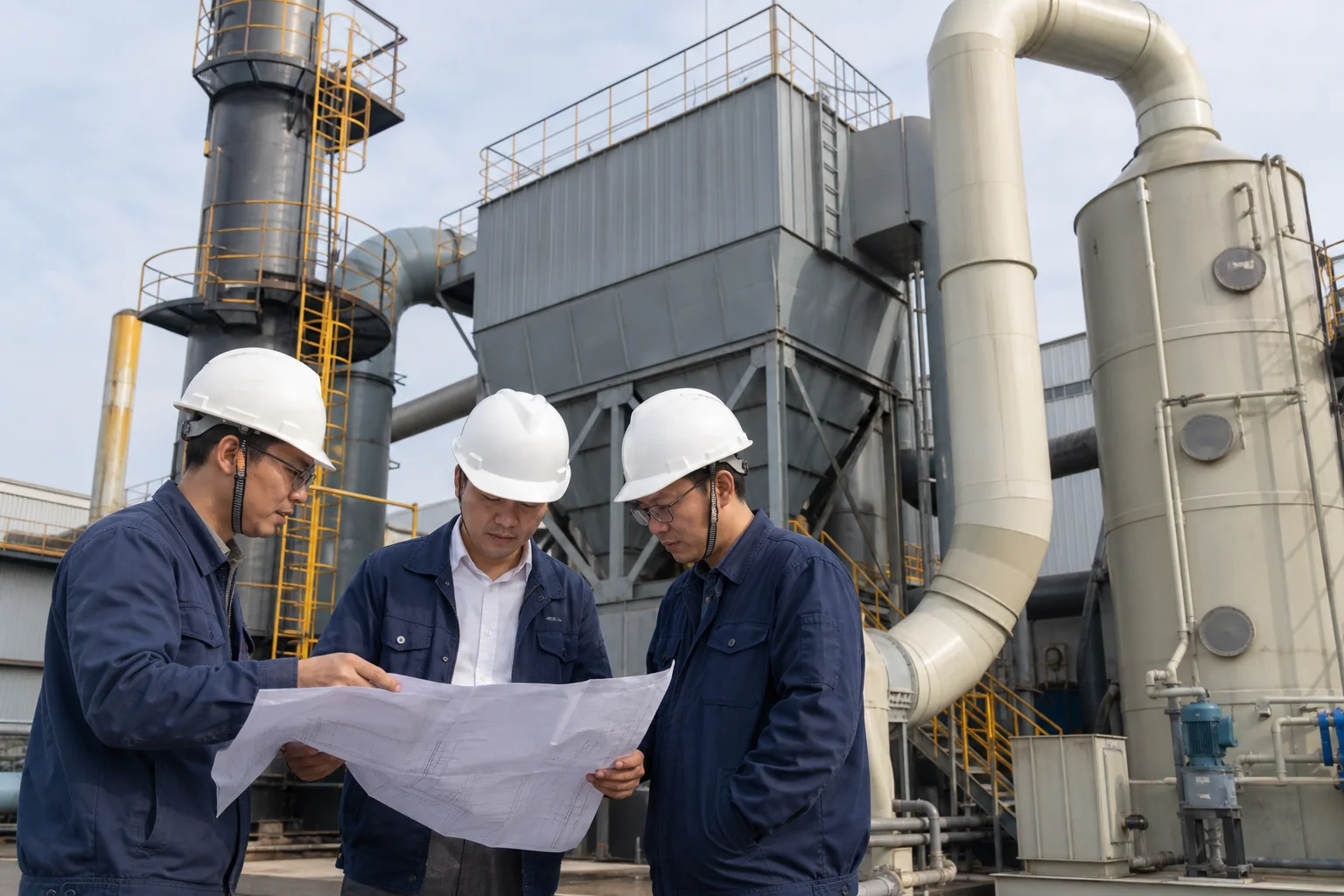
For factories planning cartridge dust collectors, baghouse dust collectors, sintered plate dust collectors or complete industrial dust collection systems.
For coating, chemical, pharmaceutical, lithium battery and manufacturing processes that need RTO, scrubber, activated carbon adsorption or combined treatment systems.
If you are not sure whether your process needs a dust collector, RTO, scrubber, activated carbon adsorption system or combined solution, send your process information for review.
Existing customers can contact AIER for installation communication, maintenance guidance, troubleshooting and spare parts support based on project needs.
For faster support, please include your pollutant type, airflow, target emission requirement and destination country in your first message.
You can contact AIER for industrial dust collectors, cartridge dust collectors, baghouse dust collectors, sintered plate dust collectors, regenerative thermal oxidizer systems, industrial scrubbers, activated carbon adsorption systems and industry-specific air pollution control solutions.
Hexing Industrial Park, Jinfeng Town, Zhangjiagang City, Jiangsu Province, P.R.China
Use these answers to prepare your first message before requesting an industrial dust collector quote or VOC treatment system quote.
Send your dust source, dust type, airflow, dust loading, temperature, humidity, operating hours, plant layout and target emission requirement. Photos or videos of the process are also helpful.
Send your exhaust source, VOC type, concentration, airflow, temperature, humidity, operating schedule, target emission standard and whether you prefer RTO, scrubber or adsorption treatment.
Yes. Photos, videos, drawings or existing equipment information help AIER understand your process and recommend a more practical dust collection or exhaust gas treatment direction.
You can ask about industrial dust collectors, cartridge dust collectors, baghouse dust collectors, sintered plate dust collectors, RTO systems, scrubbers and activated carbon adsorption systems.
AIER supports overseas customers with technical communication, equipment manufacturing, installation support and after-sales service based on the project scope and destination.
AIER should respond faster when the inquiry includes process type, pollutant data, airflow, target emission requirement and contact details. The exact response time depends on project complexity.
Share pollutant type, airflow, target emission requirement and project location. AIER will review your information and help identify the next technical direction.